
Local Foundation Crack Repair Services in Boston, MA
Cracks in your foundation don't fix themselves they widen. We identify the cause, seal the damage, and reinforce the structure so the problem doesn't come back.

4.9 ★ Rated by Local Clients

Licensed & Certified Team

15+ Years of Foundation & Structural Experience
Foundation & Basement Solutions

Commercial Foundation
We provide foundation and basement repair services for commercial buildings, multi-unit properties, and facilities where structural stability and long-term performance are essential.
Structural foundation repair
Basement wall stabilization
Concrete and masonry foundation restoration
Moisture intrusion prevention
Code-compliant structural solutions

Residential Foundation
We help homeowners address foundation and basement issues that impact safety, comfort, and long-term property value. Our work focuses on durable repairs, structural integrity, and clear communication.
Foundation crack repair
Basement wall and floor repair
Structural reinforcement
Water damage prevention
Clean, professional workmanship
Have a masonry & construction project in mind?
Let’s talk.
We handle brick repairs, chimney rebuilds, repointing, walkways, stairs, and other masonry services with expert care and reliable results.
Foundation Crack Repair in Boston, MA
Most foundation problems don't start as emergencies. They start with a hairline crack in the basement wall, a door that no longer closes properly, or a basement that smells damp after every rain. These early warning signs are easy to dismiss but foundation damage doesn't stabilize on its own. In Boston, where freeze-thaw cycles, aging stone foundations, and groundwater pressure are constant factors, small cracks become expensive structural failures faster than most homeowners expect.
Why Boston Foundations Break Down Over Time
Foundation deterioration is almost always a gradual process. Moisture enters through mortar joints and cracks, expands during winter freeze cycles, and slowly widens every opening it came through. Soil movement and hydrostatic pressure add lateral stress to basement walls and older stone and brick foundations, common in Boston's triple-deckers and brownstones, are especially vulnerable to mortar failure and water infiltration. By the time damage becomes visible inside the basement, the underlying deterioration has usually been underway for years.
How Boston's Climate Affects Foundation Performance
Few climates put more stress on residential foundations than Boston's. Rapid temperature swings, heavy precipitation, and repeated freeze-thaw cycles each winter keep moisture constantly moving through soil and masonry. Foundations without proper waterproofing and drainage absorb this hydrostatic pressure year-round which is why deferred foundation maintenance compounds so quickly in this region.
What Actually Causes Foundation Damage
The most common sources of foundation damage are moisture intrusion, poor drainage, and deteriorated masonry materials. Water collecting around the foundation perimeter increases pressure on basement walls and forces its way through cracks, failed mortar joints, and gaps around windows or lintels. Poor grading, blocked drainage systems, and aging waterproofing all accelerate the damage often in ways that aren't visible until the problem is well advanced.
Signs Your Foundation or Basement Needs Repair
Some foundation warning signs are structural, others are moisture-related and many appear together. Visible cracks in foundation walls, doors or windows that have shifted out of square, water stains or efflorescence on basement walls, and persistent musty odors are all indicators of an underlying problem. Mold growth near floor level and spalling or crumbling masonry suggest the damage has already progressed beyond the surface.
If you're seeing any of these signs, the time to act is before the next winter cycle not after.
Foundation repair covers a range of issues depending on what's failing and why from structural crack repair and wall stabilization to waterproofing, drainage correction, and stone or brick foundation restoration.
Additional work often includes lintel and sill replacement, mold remediation, wall cleaning, sealants, and clear water repellents for exposed masonry.
Fixing Foundation Problems the Right Way - Not the Fast Way
Effective foundation repair starts with identifying the source of the problem not just its surface symptoms. Sealing a crack without correcting drainage, or waterproofing interior walls without addressing exterior hydrostatic pressure, rarely produces lasting results. Proper repair requires a full structural assessment, correct material selection, and solutions that account for how moisture and seasonal movement will continue to affect the structure over time. In Boston's climate, repairs that don't account for seasonal extremes will fail regardless of how well they're installed.
Ready to Fix Your Foundation Before It Gets Worse?
If you're seeing cracks, moisture, or anything that doesn't feel right in your basement or foundation don't wait. Foundation problems don't pause while you think it over, and every season of inaction makes the repair larger and more expensive. We work with Boston homeowners every day, finding the real source of the problem and fixing it correctly the first time. No guesswork, no temporary patches, no unnecessary work.
Call (857) 249-5127 or request your free foundation assessment. We'll inspect your property, explain exactly what's happening, and give you a clear plan to fix it.
TESTIMONIALS
What our clients are saying
Foundation Crack Repair

Foundation Inspection &
Structural Repair
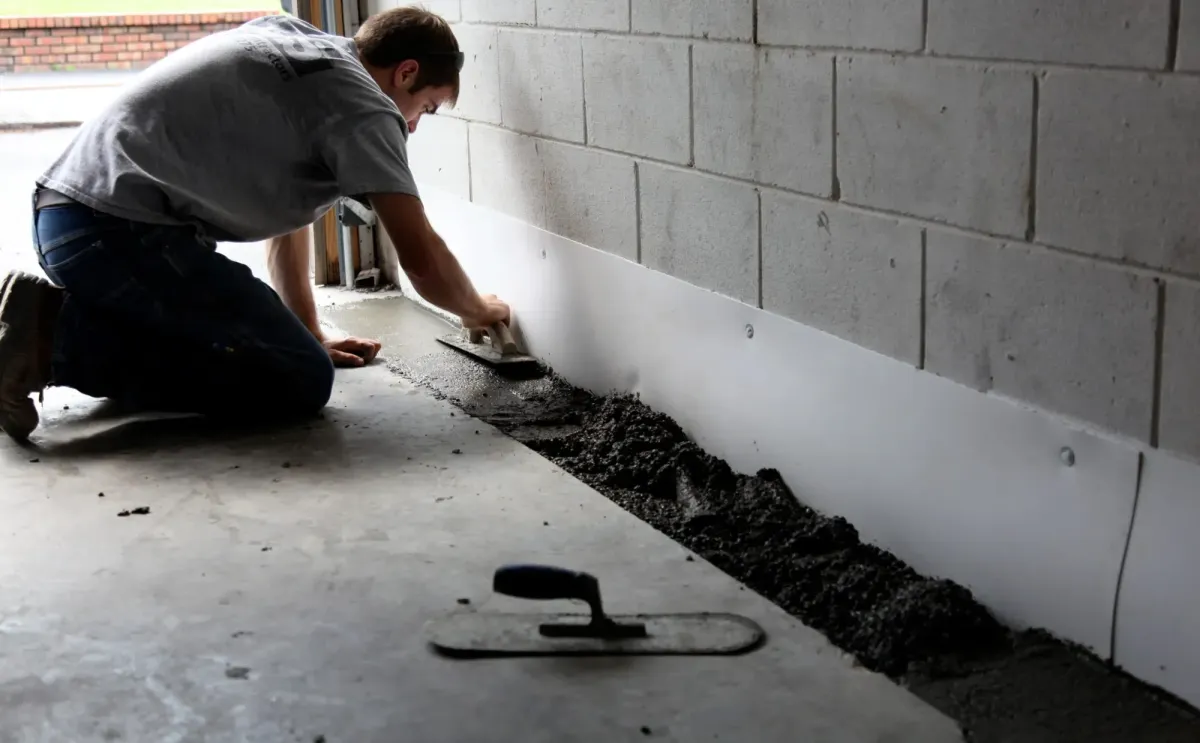
Ensure your property’s stability with professional foundation inspections and repairs. We identify cracks, settlement issues, and weaknesses, then apply durable solutions for long-term safety.
Basement Waterproofing &
Drainage
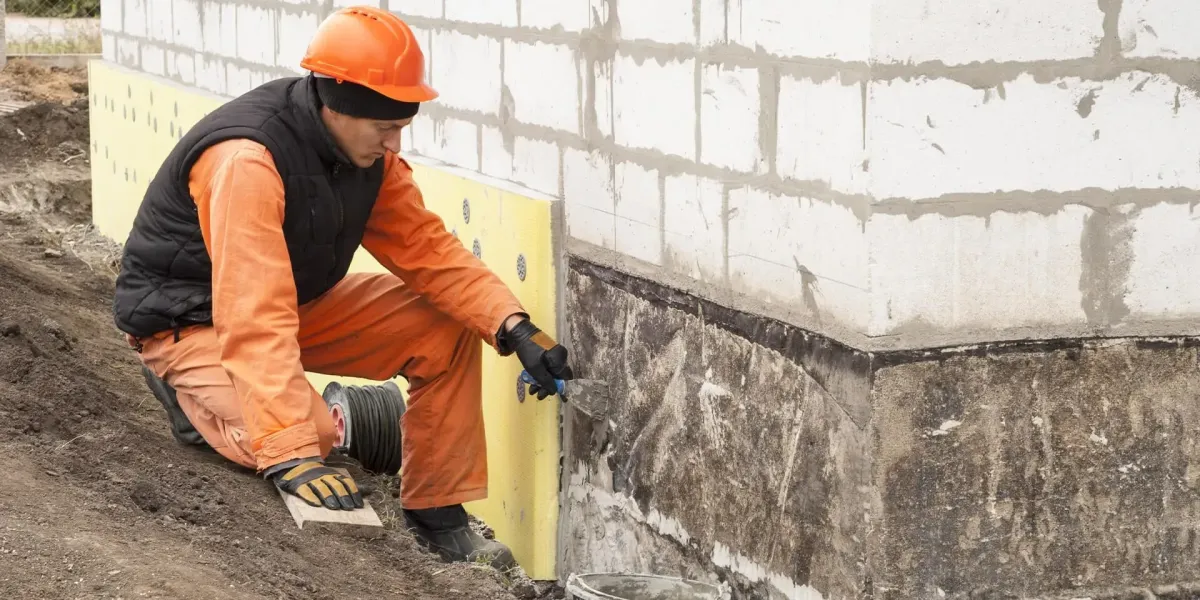
Protect your foundation from water damage with basement waterproofing and drainage solutions. We seal cracks, install drainage systems, and prevent moisture buildup to maintain structural integrity.
Foundation and
Basement
From foundation repairs to basement structural work, we stabilize and restore your property with solutions built to last.

Basement Structural Repair & Wall Stabilization
Pressure from soil and moisture can weaken basement walls. We offer wall stabilization, reinforcement, and long-lasting repairs to keep your foundation safe and stable.
STILL NOT SURE?
Frequently Asked Questions
How do I know if a foundation crack is serious?
Horizontal cracks, cracks wider than 1/4 inch, cracks with visible moisture, or cracks accompanied by wall movement are the most concerning. Vertical hairline cracks in poured concrete are often less urgent but still worth inspecting. When in doubt, have it assessed.
Can a foundation crack be permanently repaired?
Yes when the repair addresses both the crack and the underlying cause. Epoxy injection, for example, restores structural strength and seals the wall permanently. If the drainage or moisture conditions that caused the crack aren't corrected, new cracks can form over time.
How long do masonry repairs typically take?
Most jobs take 1-3 days depending on the size and complexity. Full chimney rebuilds or extensive brickwork may take longer. We’ll give you a clear timeline up front.
Will the repair be visible after it's done?
Injection repairs leave a small surface trace along the crack line, which can be painted over. We take care to keep finishes clean and minimize visual impact wherever possible.
Do I need to leave my home during the repair?
No. Foundation crack repair is completed from the basement or exterior and does not require you to vacate the property.
Expert Masonry & Construction Services in Boston & Nearby Areas
Looking to repair brickwork or rebuild a chimney? Our team delivers high-quality masonry solutions built to stand up to New England’s weather. We handle everything from chimney restorations and repointing to stone walls and brick steps for both homes and businesses.
Request your free, no-obligation consultation and estimate today.

Skilled in brick, stone, and chimney work, we deliver durable, high-quality masonry services that keep Boston homes safe, strong, and looking their best.
Skilled in brick, stone, and chimney work, we deliver durable, high-quality masonry services that keep Boston homes safe, strong, and looking their best.