
Local Basement Waterproofing Services in Boston, MA
From interior drainage systems to exterior membrane coating, we stop water at the source and protect your basement with waterproofing solutions built to last.

4.9 ★ Rated by Local Clients

Licensed & Certified Team

15+ Years of Foundation & Structural Experience
Basement Waterproofing Solutions

Commercial Basement Waterproofing
We provide basement waterproofing and moisture control services for commercial buildings, multi-unit properties, and facilities where dry, stable lower levels are critical to daily operations.
Active water intrusion through foundation walls causing business disruption
Hydrostatic pressure cracking basement walls and floors
Efflorescence and moisture damaging inventory or equipment
Mold growth affecting air quality and tenant safety
Code violations from unresolved moisture and drainage issues

Residential Basement Waterproofing
We help homeowners eliminate basement moisture, stop active leaks, and protect their home's foundation — fixing the source of the problem, not just the symptoms.
Basement smells musty after every rain
White chalky stains spreading across foundation walls
Water pooling in corners every spring or after snowmelt
Mold growing along the base of walls
Cracks with visible moisture seeping through
Peeling paint and rust stains appearing at floor level
Have a waterproofing project in mind?
Let’s talk.
We handle brick repairs, chimney rebuilds, repointing, walkways, stairs, and other masonry services with expert care and reliable results.
Basement Waterproofing Services in Boston, MA
A damp smell after rain, a stain along the baseboard, or a corner that never fully dries are early signs of basement water intrusion, and in Boston's climate, that problem gets worse fast rather than resolving on its own. Our team diagnoses the actual source of the water and fixes it, not just the symptoms.
Why Boston Basements Struggle With Water Intrusion
Boston's clay-heavy soil, heavy seasonal rainfall, and freeze-thaw winters put constant pressure on foundation walls. Older homes in particular were often built with little to no original waterproofing, which means the problem has usually been building for years before it's noticed. For a full breakdown of why this happens and how it progresses, see our complete basement waterproofing guide.
How Boston's Climate Makes Basement Waterproofing Essential
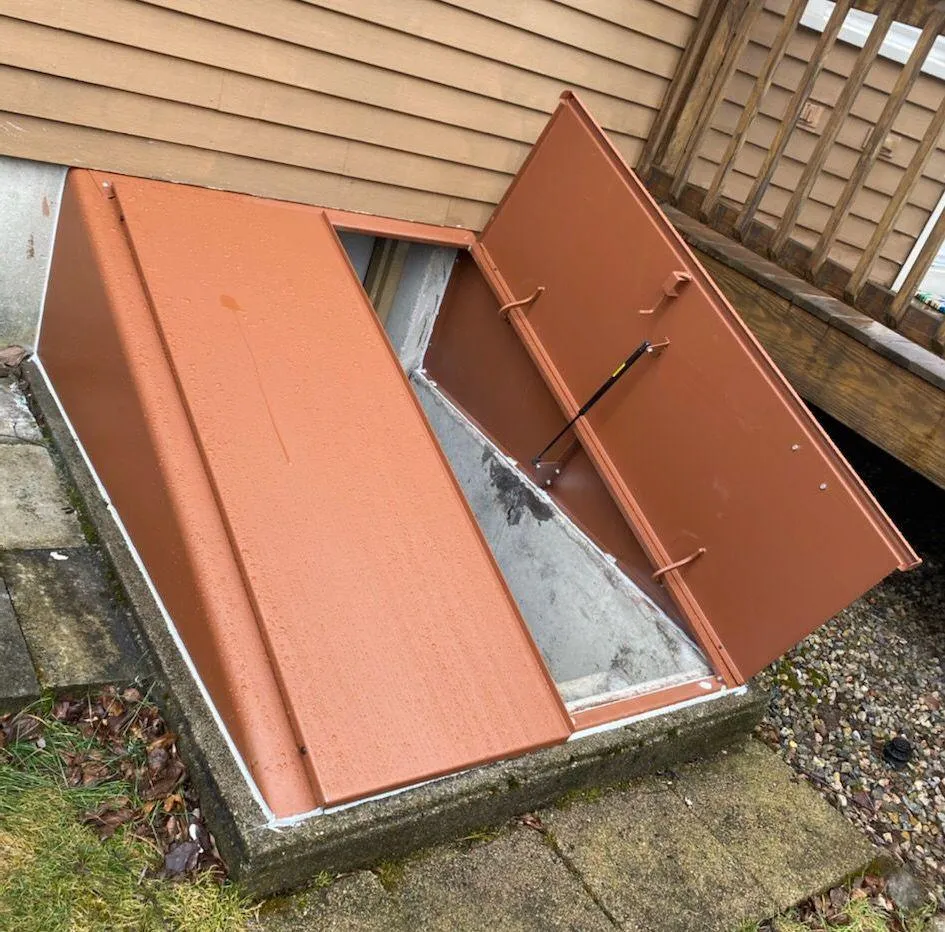
No region tests basement waterproofing systems harder than New England. Boston sees significant annual precipitation, deep frost lines, and repeated freeze-thaw cycles that shift soil and open new cracks each winter. Clay-heavy soils common in greater Boston expand when wet and contract when dry — creating constant lateral pressure on basement walls throughout the year. Homes without active waterproofing systems are essentially absorbing this pressure with nothing to redirect it.
Signs Your Basement Needs Waterproofing
Standing water after rain, white mineral deposits on walls, musty odors, mold along the base of walls, and cracks with visible moisture are all signs the problem needs professional attention. If you're seeing any of these, it's worth getting an assessment before the damage spreads further into the structure.
The Types of Basement Waterproofing We Install
We install interior drainage systems, exterior membrane and excavation systems, crack injection, and combined solutions depending on how water is entering your home. The right fix depends on an accurate diagnosis, which is why we assess the full picture before recommending a system. If you're comparing options and pricing before reaching out, our waterproofing cost breakdown for Massachusetts is a good starting point.
Fixing the Problem the Right Way
Painting over a damp wall or laying down plastic sheeting hides water temporarily while the damage continues underneath. We identify the actual source, whether it's hydrostatic pressure, failed grading, or a deteriorated foundation, and install a system built to hold up through Boston's full range of seasonal conditions.
Ready to Stop the Moisture Before It Becomes a Bigger Problem?
If your basement smells damp, shows staining, or takes on water after rain, don't wait for it to get worse. Call us today or request your free basement waterproofing assessment. We'll inspect your property, explain exactly what's happening, and give you a clear plan to fix it permanently.
TESTIMONIALS
What our clients are saying
What We Work On Across Boston
Boston's building stock spans four centuries. Each era brings its own materials and repair needs, and we've worked on all of them.
Brownstones
Brick and sandstone facades common throughout Back Bay and the South End, often needing careful mortar matching to preserve the original finish.
Back Bay · South EndFederal-Style Rowhouses
Beacon Hill's brick rowhouses, many built with lime mortar that needs to be matched in kind rather than repaired with modern cement.
Beacon HillColonial-Era Foundations
Stone foundations found throughout the city's oldest neighborhoods, many predating modern building codes and requiring specialized repair methods.
CitywideTriple-Deckers
Load-bearing brick foundations and shared party walls across Dorchester and Jamaica Plain, requiring coordinated work between units.
Dorchester · JPModern Brick Veneer
Newer Seaport properties use veneer systems over structural framing, which fail differently than solid masonry and need different repair methods.
Seaport DistrictWhat Boston's Climate Does to Masonry
Four conditions shape most of the masonry work we do across the city, each requiring a different approach.
Freeze-Thaw Cycles
Winter forces water into small cracks, where it expands and widens them. Each cycle repeats the damage, which is why small cracks left unaddressed grow every season.
Coastal Salt Exposure
Properties near the harbor and waterfront neighborhoods face accelerated mortar breakdown and corrosion in metal flashing and wall ties from salt in the air.
Lime Mortar vs. Portland Cement
Pre-1920 buildings were built with flexible lime mortar. Repairing them with modern Portland cement is a common mistake that traps moisture and damages the softer brick around it.
Historic District Compliance
Beacon Hill properties fall under the Beacon Hill Architectural Commission, while Back Bay properties fall under the Back Bay Architectural District. Both require design review before exterior masonry changes.
Navigating Boston's Approval Process
Masonry work in Boston often involves more than the repair itself. We factor these steps into every project timeline from the start.
ISD Permit Filed
Projects affecting structure or the building envelope require a permit through the Inspectional Services Department.
ISDHistoric District Check
Beacon Hill and Back Bay properties are flagged for review under their respective architectural commissions.
If applicableCommission Approval
Visible street-facing work goes to the Beacon Hill Architectural Commission, the Back Bay Architectural District, or the citywide Landmarks Commission for sign-off.
Landmarks CommissionWork Begins
With approvals in hand, we schedule the crew and complete the work to the standard your building requires.
ScheduledFoundation & Basement Repairs

Foundation Inspection &
Structural Repair
Ensure your property’s stability with professional foundation inspections and repairs. We identify cracks, settlement issues, and weaknesses, then apply durable solutions for long-term safety.
Foundation and
Basement
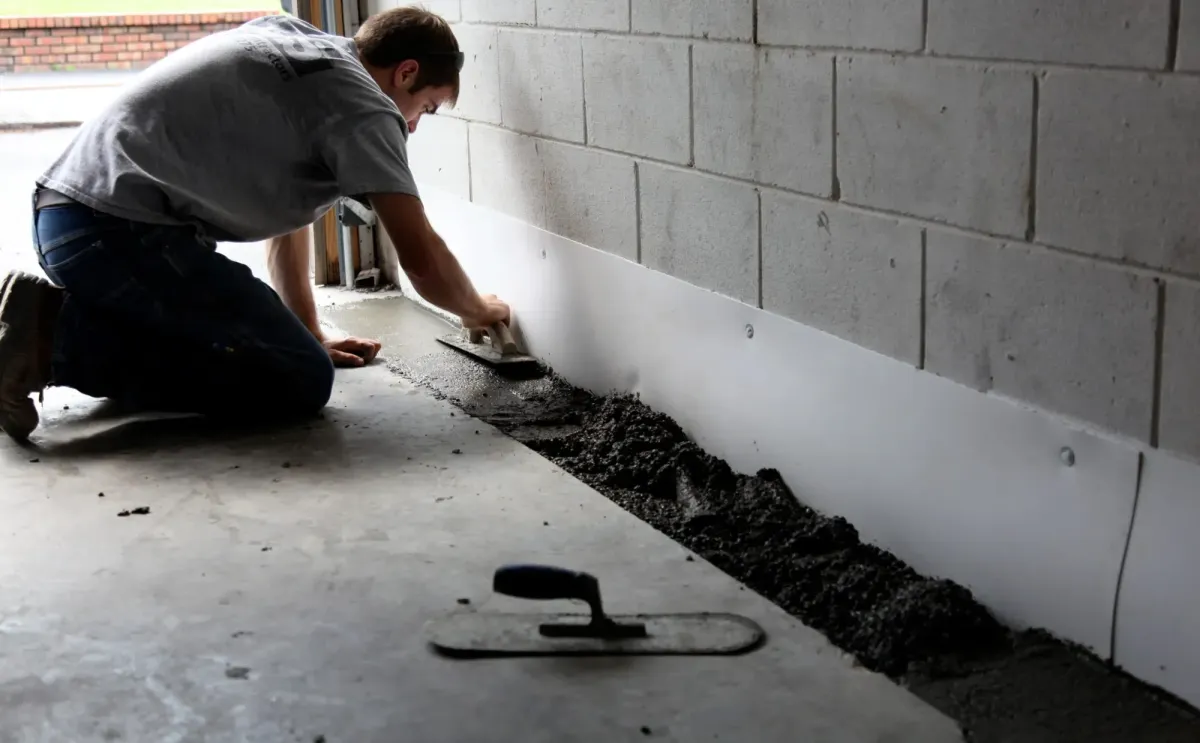
From foundation repairs to basement structural work, we stabilize and restore your property with solutions built to last.
Foundation Crack Repair &
Reinforcement
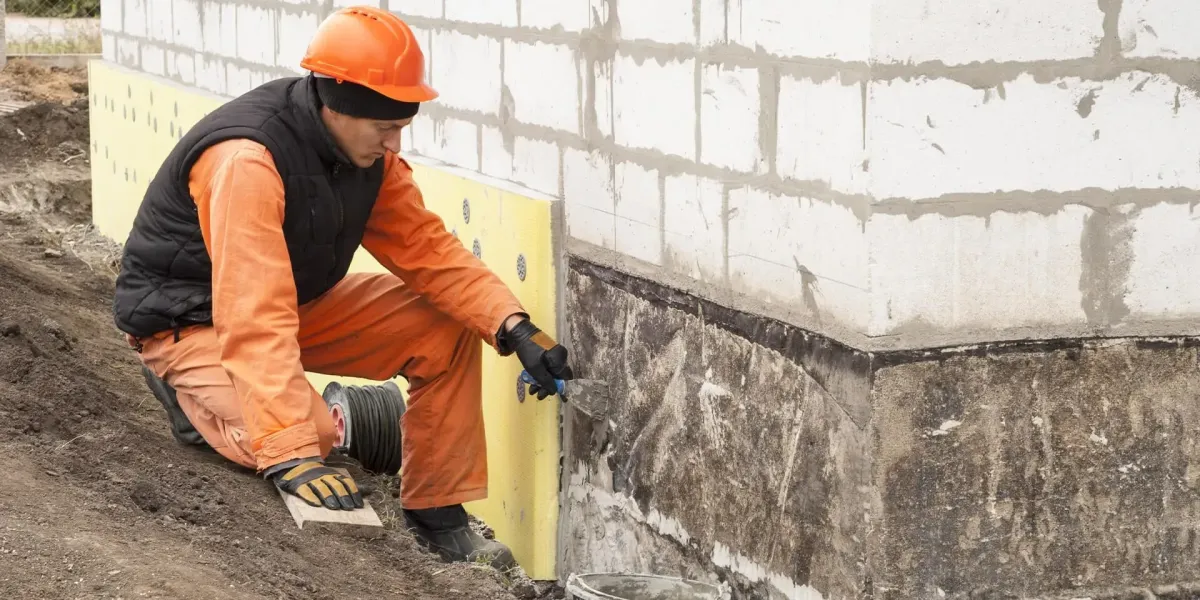
Untreated foundation cracks can lead to serious issues. We repair cracks, reinforce weak areas, and stabilize shifting sections to restore integrity and prevent further movement.

Basement Structural Repair & Wall Stabilization
Pressure from soil and moisture can weaken basement walls. We offer wall stabilization, reinforcement, and long-lasting repairs to keep your foundation safe and stable.
Masonry Services Across Greater Boston & the South Coast
We work with homeowners and businesses throughout Greater Boston, the South Shore, Plymouth County, and the South Coast. Select your town below to see masonry, chimney, foundation, and drainage services specific to your area.
Greater Boston Metro
South Shore
Brockton & Surrounding Towns
Plymouth County
Don't see your town listed? We likely still cover your area, contact us for a free estimate.
Request a Free QuoteSTILL NOT SURE?
Frequently Asked Questions
How long does basement waterproofing take?
Most interior drainage system installations are completed in one to two days. Exterior waterproofing, which involves excavation, typically takes longer depending on the length of foundation wall being treated and site accessibility. We'll give you a specific timeline after an on-site assessment.
Do you offer interior or exterior waterproofing?
We install both. Interior systems manage water after it reaches the wall using drainage channels and a sump pump, while exterior systems stop water from getting in at all. Many homes benefit from a combination of the two, and we'll recommend the right approach based on how water is entering your basement.
Is basement waterproofing covered by insurance?
Coverage varies by policy. Most homeowners insurance does not cover gradual water seepage or groundwater intrusion, since it's typically treated as a maintenance issue rather than a sudden event. We recommend checking with your insurance provider directly to confirm your specific coverage.
How do I know if I need waterproofing or just crack repair?
If water is actively coming through a crack, or if you're seeing dampness, efflorescence, or musty odors across a wider area of the basement, it usually points to a waterproofing issue rather than an isolated crack. We assess both during our inspection and will tell you honestly if crack repair alone will solve the problem.
Do you offer a warranty on waterproofing work?
Yes. Warranty terms depend on the specific system installed, and we'll walk you through exactly what's covered before any work begins.
Expert Waterproofing Service in Boston & Nearby Areas
Looking to repair brickwork or rebuild a chimney? Our team delivers high-quality masonry solutions built to stand up to New England’s weather. We handle everything from chimney restorations and repointing to stone walls and brick steps for both homes and businesses.
Request your free, no-obligation consultation and estimate today.

Skilled in brick, stone, and chimney work, we deliver durable, high-quality masonry services that keep Boston homes safe, strong, and looking their best.
Skilled in brick, stone, and chimney work, we deliver durable, high-quality masonry services that keep Boston homes safe, strong, and looking their best.