
Local Basement Structural Repair Services in Boston, MA
Basement walls under pressure don't stabilize on their own. We identify the cause, reinforce the structure, and restore it with solutions built to handle Boston's toughest conditions.

4.9 ★ Rated by Local Clients

Licensed & Certified Team

15+ Years of Foundation & Structural Experience
Foundation & Basement Solutions

Commercial Foundation
We provide foundation and basement repair services for commercial buildings, multi-unit properties, and facilities where structural stability and long-term performance are essential.
Structural foundation repair
Basement wall stabilization
Concrete and masonry foundation restoration
Moisture intrusion prevention
Code-compliant structural solutions

Residential Foundation
We help homeowners address foundation and basement issues that impact safety, comfort, and long-term property value. Our work focuses on durable repairs, structural integrity, and clear communication throughout the process.
Foundation crack repair
Basement wall and floor repair
Structural reinforcement
Water damage prevention
Clean, professional workmanship
Have a masonry & construction project in mind?
Let’s talk.
We handle brick repairs, chimney rebuilds, repointing, walkways, stairs, and other masonry services with expert care and reliable results.
Basement Structural Repair in Boston, MA
Boston Basements Take a Beating Every Season
Winter in Boston doesn't just affect what's above ground. Every freeze-thaw cycle drives moisture deeper into soil, increases lateral pressure against basement walls, and works existing cracks wider from the inside out. Clay-heavy soils shrink and swell with the seasons and that constant movement transfers directly into the walls holding your foundation together. Most homeowners don't realize how much stress their basement absorbs until something starts to visibly fail.
Pressure, Moisture, and Time The Three Things That Destroy Basement Walls
Basement walls fail for predictable reasons. Hydrostatic pressure builds when water has nowhere to go and pushes against the wall from the outside. Soil movement creates lateral stress that block and brick walls weren't designed to resist indefinitely. And time degrades the mortar, coatings, and waterproofing that once kept everything in check. When these three factors work together which they almost always do in Greater Boston the damage accelerates.
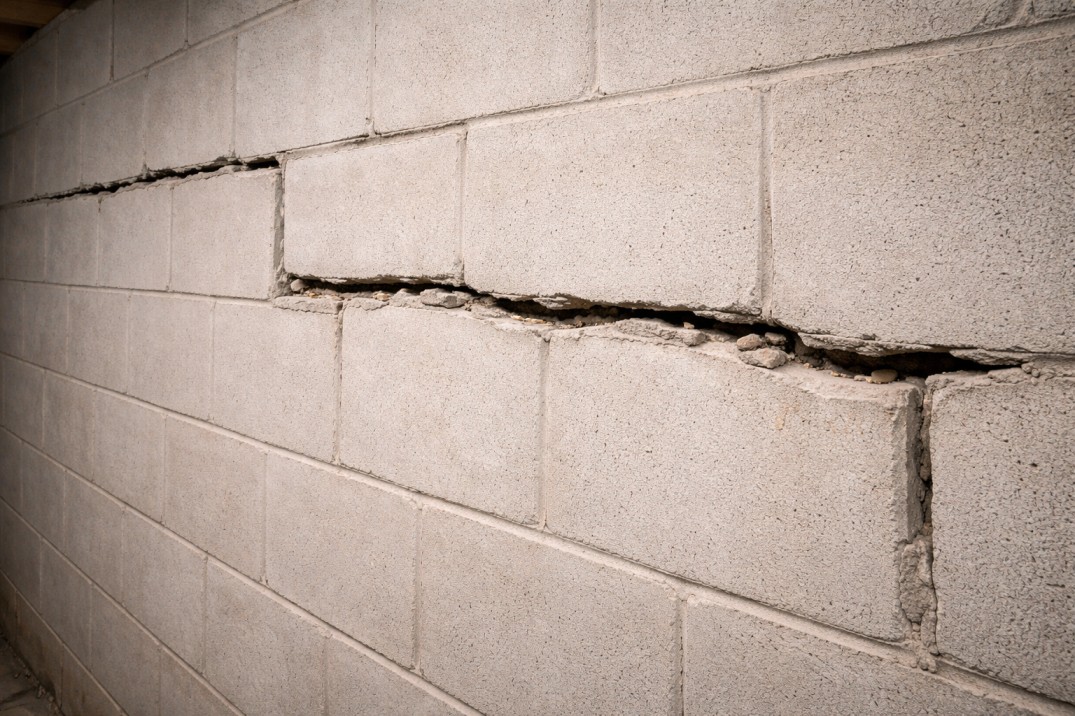
What You're Seeing Is Usually the Last Stage, Not the First
Bowing walls, horizontal cracks, efflorescence, persistent damp smells by the time these appear, the structural process behind them has typically been underway for years. Stair-step cracking in block walls, mold at floor level, and spalling masonry are signs that moisture and movement have already worked their way through the surface layer. The visible damage is the result, not the beginning.
Don't wait for the next winter to make it worse.
What Basement Structural Repair Actually Involves
Wall stabilization, crack reinforcement, masonry restoration, drainage correction, and waterproofing all fall under basement structural repair and most jobs require more than one. The right combination depends on what's failing, why it's failing, and what the wall will continue to face after the repair is done. Additional work often includes lintel and sill replacement, mold remediation, wall cleaning, sealants, and clear water repellents for exposed masonry.
Signs Your Basement Walls Need Attention
Some warning signs are structural, others are moisture-related and many appear together. Horizontal or stair-step cracks in basement walls, walls that appear to bow or lean inward, water stains or efflorescence on block or stone surfaces, and persistent damp odors are all indicators of an underlying problem. Spalling masonry and mold growth near floor level suggest the damage has already progressed beyond the surface.
If you're seeing any of these signs, the time to act is before the next winter cycle not after.
What Basement Structural Repair Actually Involves
Wall stabilization, crack reinforcement, masonry restoration, drainage correction, and waterproofing all fall under basement structural repair and most jobs require more than one. The right combination depends on what's failing, why it's failing, and what the wall will continue to face after the repair is done. Additional work often includes lintel and sill replacement, mold remediation, wall cleaning, sealants, and clear water repellents for exposed masonry.
Repair That Lasts Requires More Than Patching the Surface
The most common reason basement repairs fail is that they treat the symptom without addressing the source. Stabilizing a bowing wall without fixing the drainage that's causing the pressure, or sealing cracks without correcting the grading that directs water toward the foundation these approaches buy time, not solutions. We assess the full picture before recommending anything, and we build repairs around what the structure will continue to experience not just what it looks like today.
Get It Assessed Before It Gets Worse
Basement structural problems don't improve on their own and in Boston's climate, they rarely stay the same. Every winter cycle that passes without a repair is another round of freeze-thaw expansion working against the wall. We work with homeowners across Greater Boston to find the real source of the problem and fix it correctly the first time.
Call (857) 249-5127 for a free estimate. We specialize in basement structural repair, wall stabilization, and foundation restoration across Boston and the surrounding communities.
TESTIMONIALS
What our clients are saying
Foundation & Basement Repairs

Foundation Inspection &
Structural Repair
Ensure your property’s stability with professional foundation inspections and repairs. We identify cracks, settlement issues, and weaknesses, then apply durable solutions for long-term safety.
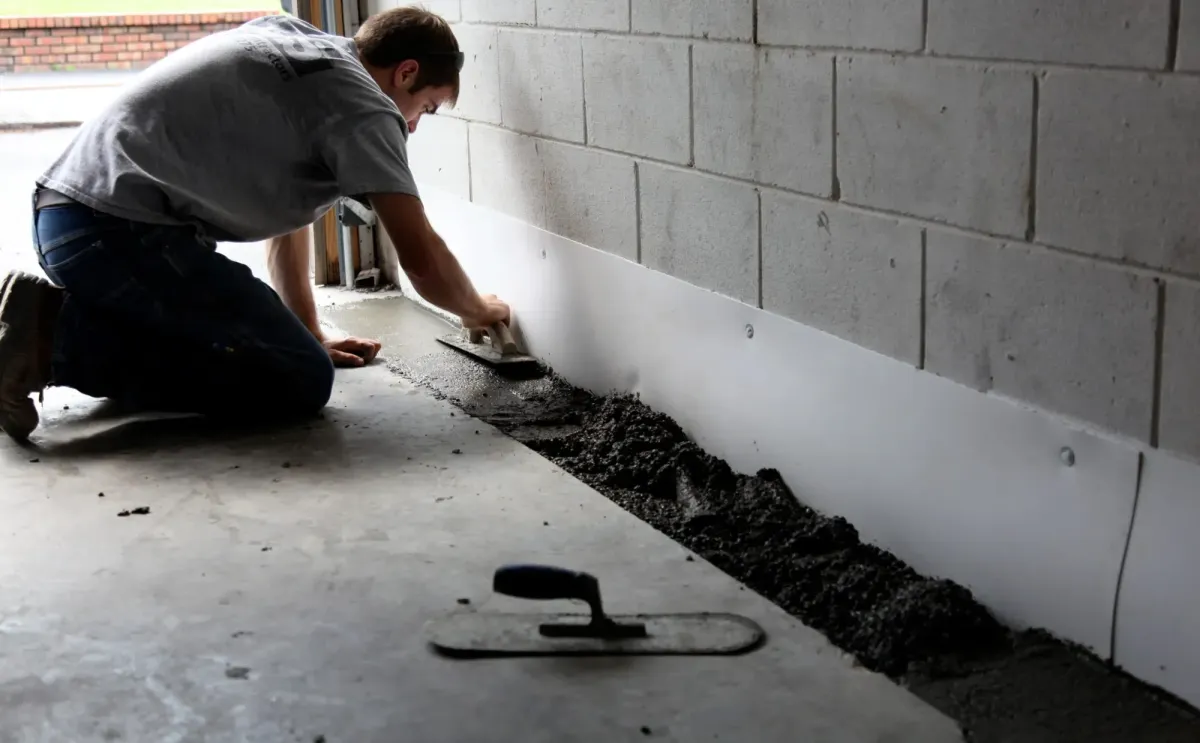
Basement Waterproofing &
Drainage
Protect your foundation from water damage with basement waterproofing and drainage solutions. We seal cracks, install drainage systems, and prevent moisture buildup to maintain structural integrity.
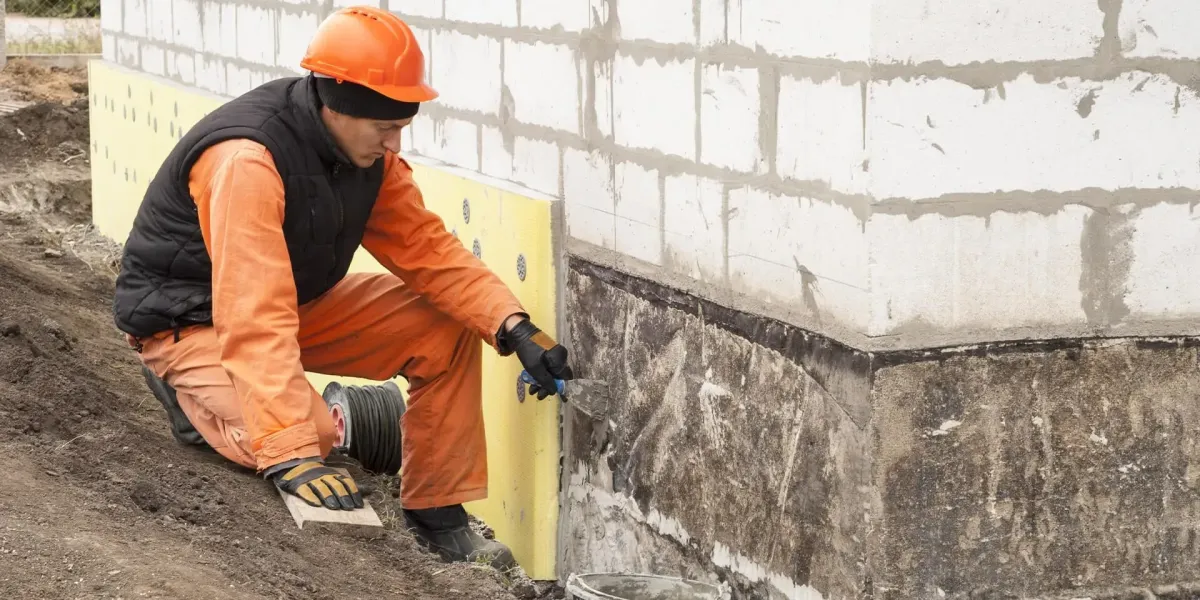
Foundation Crack Repair &
Reinforcement
Untreated foundation cracks can lead to serious issues. We repair cracks, reinforce weak areas, and stabilize shifting sections to restore integrity and prevent further movement.

Foundation and
Basement
From foundation repairs to basement structural work, we stabilize and restore your property with solutions built to last.
STILL NOT SURE?
Frequently Asked Questions
How do I know if my basement wall needs structural repair?
Horizontal cracks, walls that appear to bow or lean inward, and stair-step cracking in block or brick are the clearest signs of structural stress. If you're also seeing water stains or efflorescence alongside these, the problem is likely more advanced than it looks.
What's the difference between a structural crack and a normal settling crack?
Vertical hairline cracks are often the result of normal concrete curing or minor settling. Horizontal cracks and diagonal cracks that run along mortar joints are more serious they typically indicate lateral soil pressure or wall movement that needs to be addressed.
How long do masonry repairs typically take?
Most jobs take 1–3 days depending on the size and complexity. Full chimney rebuilds or extensive brickwork may take longer. We’ll give you a clear timeline up front.
Will the repair stop water from coming in?
Structural repair addresses wall movement and cracking but if water intrusion is also present, waterproofing work is usually recommended alongside it. We assess both issues together and won't recommend one without considering the other.
Do I need to vacate my home during the repair?
No. Basement structural repair is completed from inside the basement or from the exterior and does not require you to leave the property.
Expert Masonry & Construction Services in Boston & Nearby Areas
Looking to repair brickwork or rebuild a chimney? Our team delivers high-quality masonry solutions built to stand up to New England’s weather. We handle everything from chimney restorations and repointing to stone walls and brick steps for both homes and businesses.
Request your free, no-obligation consultation and estimate today.

Skilled in brick, stone, and chimney work, we deliver durable, high-quality masonry services that keep Boston homes safe, strong, and looking their best.
Skilled in brick, stone, and chimney work, we deliver durable, high-quality masonry services that keep Boston homes safe, strong, and looking their best.