
Trusted Interior Drainage Installation in Boston, MA
From interior drainage design to permanent installation, we protect your property from water damage with systems built to perform long term.

4.9 ★ Rated by Local Clients

Licensed & Certified Team

15+ Years of Drainage Experience
Drainage Solutions

Commercial Drainage
We provide drainage solutions for commercial properties where water control is critical to site performance and structural protection. Our approach focuses on managing surface and subsurface water to prevent long-term damage.
Site drainage planning and correction
Surface water redirection
Drainage systems around foundations
Prevention of water pooling and runoff issues
Code-compliant, long-term solutions

Residential Drainage
We help homeowners resolve drainage issues that lead to standing water, foundation stress, and basement moisture. Our solutions are designed to protect the home and surrounding landscape over time.
Yard and surface drainage improvements
Foundation and basement drainage support
Water flow correction around the home
Erosion and pooling prevention
Clean, careful workmanship
Have a masonry & construction project in mind?
Let’s talk.
We handle brick repairs, chimney rebuilds, repointing, walkways, stairs, and other masonry services with expert care and reliable results.
Interior Drainage Issues and How They're Fixed
Most interior drainage problems don't start with a flood. They start with a faint smell, a small damp patch on the floor, or water that appears along the base of the wall after heavy rain. These early signs are easy to dismiss — but they rarely go away on their own. Water finds the path of least resistance, and if your home lacks a proper interior drainage system, it will eventually make its way in.
Why Drainage Failures Lead to Bigger Problems
Poor drainage doesn't just create surface water issues. It puts constant pressure on your foundation. When water collects around your home's perimeter, it saturates the soil, adds lateral pressure to foundation walls, and works its way through cracks and joints over time.
Without a proper exterior drainage system in place, even a well-built foundation will begin to show signs of stress efflorescence, cracking, shifting, or chronic moisture damage that worsens with every rain season.
Why Interior Drainage Failures Lead to Bigger Problems
Poor interior drainage doesn't just create a wet basement. It puts constant pressure on your foundation from the inside. When water has no controlled path out, it accumulates along the base of walls, seeps through floor joints, and works its way into the structure over time.
Without a proper interior drainage system in place, even a well-built foundation will begin to show signs of stress efflorescence, cracking, shifting, or chronic moisture damage that worsens with every rain season.
How Boston Weather Makes Interior Drainage More Critical
Heavy rainfall, rapid snowmelt, and repeated freeze-thaw cycles put residential basements under constant stress. Homes without a properly designed interior drainage system are exposed to this pressure season after season, which is why moisture and water intrusion issues tend to worsen over time rather than stabilize.
Signs Your Foundation May Have a Leak
Water stains along basement walls, a persistent musty smell, white efflorescence on concrete surfaces, or damp spots that appear after heavy rain all indicate water is finding its way through your foundation. Visible cracks in foundation walls and mold near floor level are signs the problem has already progressed. In most cases, effective foundation leak repair combines crack injection, exterior waterproofing, and drainage corrections to provide a complete and lasting solution.
The Types of Interior Drainage Systems That Usually Solve It
The right solution depends on where water is entering and how it's moving through your basement. Interior perimeter drain systems are the most common approach installed along the base of foundation walls, they collect water before it reaches the floor and direct it to a sump pump for removal. Sump pump systems are often installed alongside perimeter drains to actively discharge collected water away from the home. Channel drains and floor drainage systems address water that enters through floor joints or low points. For basements with chronic moisture, vapor barriers and wall drainage panels are used to manage humidity and direct seepage into the drainage system. In most cases, lasting interior drainage combines multiple components to address the full scope of the problem.
Installing Interior Drainage the Right Way, Not the Fast Way
Lasting interior drainage begins with understanding where the water is coming from and why your current basement isn't managing it. Installing a sump pump without addressing perimeter water collection, or laying channel drains without accounting for wall seepage, often leads to continued failure. Proper interior drainage installation requires a full assessment of your basement, the right system design for your specific conditions, and materials built to hold up through Boston's seasonal extremes. A system that doesn't account for how water moves through your home year-round won't hold no matter how well it's installed.
Ready to Stop the Water Before It Takes Over?
If you've noticed damp floors, water pooling along basement walls, or moisture that keeps coming back after every rain don't ignore it. Interior drainage problems don't fix themselves. They find new paths, cause more damage, and cost more to correct the longer they're left alone.
We work with Boston homeowners to design and install interior drainage systems that actually manage the water not just hide it. No guesswork, no quick fixes that fail by next spring.
TESTIMONIALS
What our clients are saying
Drainage Services

Basement Waterproofing
Protect your basement from water damage with our waterproofing solutions. We seal cracks, apply moisture-resistant coatings, and prevent infiltration to keep your basement dry year-round.
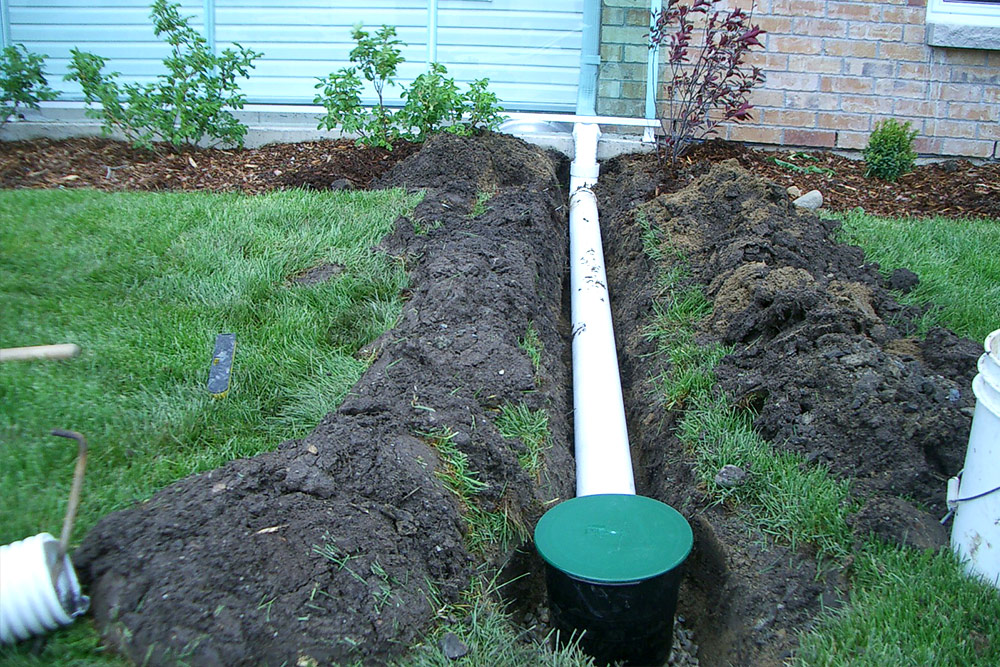
Exterior Drainage Installation
Our exterior drainage systems direct water away from your foundation. We use French drains and surface grading to prevent water buildup that can cause flooding or structural damage.
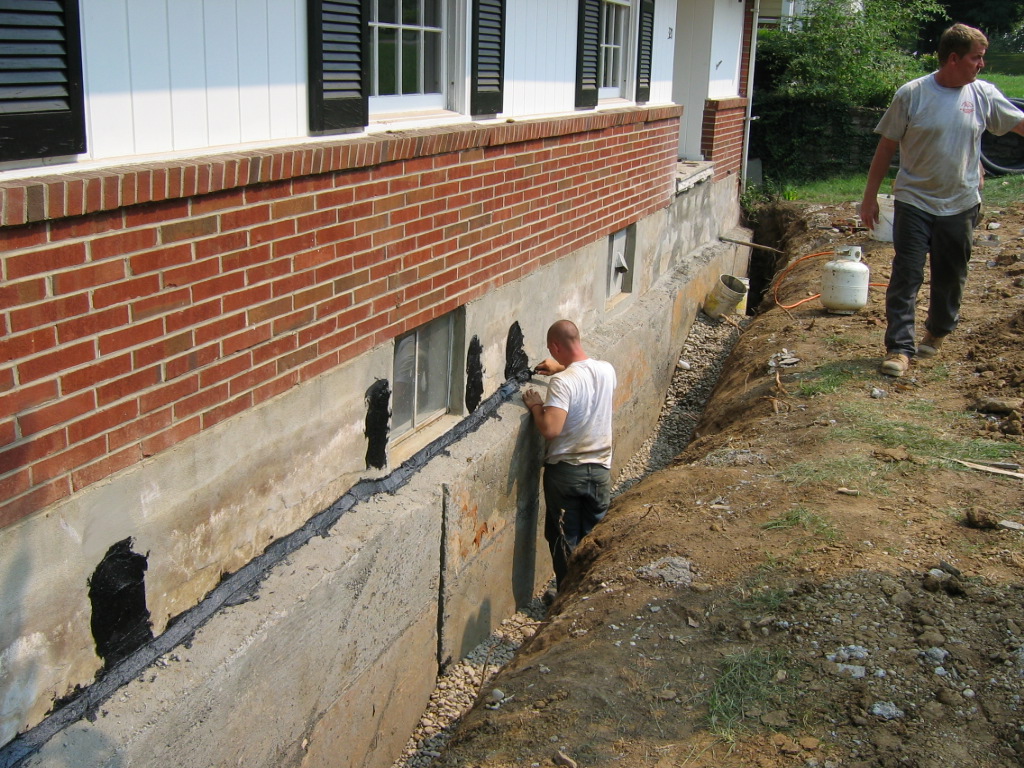
Foundation Leak Repair
We fix foundation leaks with crack sealing, injection methods, and drainage solutions to ensure lasting protection.

Drainage
From drainage corrections to waterproofing solutions, we protect your property from water damage with systems built to perform long term.
STILL NOT SURE?
Frequently Asked Questions
What is interior drainage installation?
Interior drainage installation involves designing and building systems inside your basement that collect and redirect water before it causes damage. This typically includes perimeter drain systems, sump pumps, vapor barriers, and floor drainage channels that work together to keep your basement dry.
How do I know if I need an interior drainage system?
Common signs include water pooling along basement walls or floors, persistent damp smell, efflorescence on concrete surfaces, and moisture that returns after every heavy rain. If these issues appear repeatedly, an interior drainage system is likely the most effective long-term solution.
What is a perimeter drain system?
A perimeter drain system is installed along the interior base of your foundation walls. It collects water seeping through the walls or floor and channels it toward a sump pump for removal. It is one of the most effective ways to manage chronic basement water intrusion.
How long does interior drainage installation take?
Most residential interior drainage projects are completed within one to three days depending on the size of the basement and the complexity of the system being installed.
Will interior drainage solve my basement water problem permanently?
Interior drainage effectively manages water that enters your basement, keeping floors and walls dry. For a complete solution, it is sometimes combined with exterior drainage corrections or foundation waterproofing to address the source of the water as well.
Expert Masonry & Construction Services in Boston & Nearby Areas
Looking to repair brickwork or rebuild a chimney? Our team delivers high-quality masonry solutions built to stand up to New England’s weather. We handle everything from chimney restorations and repointing to stone walls and brick steps for both homes and businesses.
Request your free, no-obligation consultation and estimate today.

Skilled in brick, stone, and chimney work, we deliver durable, high-quality masonry services that keep Boston homes safe, strong, and looking their best.
Skilled in brick, stone, and chimney work, we deliver durable, high-quality masonry services that keep Boston homes safe, strong, and looking their best.