
Local Cement
Concrete
Work
Cement and concrete work for local homes done clean, solid, and right the first time.

4.9 ★ Rated by Local Clients

Licensed & Certified Team

15+ Years of Masonry Experience
Masonry Solutions

Commercial Masonry Service
Professional masonry solutions for commercial buildings, multi-unit properties, and large-scale projects.
Structural masonry & brickwork
Commercial chimney & venting systems
Foundation & slab repairs
Large-scale drainage solutions
Code-compliant workmanship

Residential Masonry Service
Reliable masonry repair and installation for homeowners looking to protect and improve their property.
Brick, stone & masonry repairs
Chimney repair & restoration
Foundation & basement work
Home drainage solutions
Clean, careful workmanship
Have a construction or masonry project in mind?
Let’s talk.
We work with both residential and commercial clients on a wide range of projects across Greater Boston.
From repairs to larger builds, our focus is on clear communication and work that holds up over time.
Common Cement Concrete Problems and How They’re Solved
Most cement and concrete problems don't begin as major failures. They usually start with small, easy-to-miss signs hairline cracks in concrete, slightly uneven surfaces, or minor water staining. Because these issues develop slowly, they're often ignored or seen as cosmetic.
The problem is that cement and concrete work doesn't fail all at once. Driveways, foundations, walkways, and concrete structures weaken gradually as moisture penetrates cracks, materials shift, and repeated temperature changes take their toll. By the time damage becomes obvious, repairs are often more involved than they needed to be.
Why Cement & Concrete Starts Breaking Down Over Time
Cement and concrete break down due to constant exposure to moisture, temperature changes, and structural movement. Concrete surfaces weaken as they absorb water, expand during freeze–thaw cycles, and gradually lose their structural integrity.
As surface cracks and joints deteriorate, moisture penetrates deeper into the material, causing further expansion and instability. Without timely concrete repair, this cycle continues and leads to cracking, separation, and reduced structural performance.
What Actually Causes Masonry Damage
Most cement and concrete damage comes from a combination of moisture intrusion, improper drainage, and incompatible materials. Water entering through cracks, joints, or poorly sealed surfaces weakens the concrete and increases internal pressure during freeze–thaw cycles. Over time, this leads to cracking, surface deterioration, and structural instability.
Another major cause is poor or incorrect past concrete work. Using the wrong mix, mismatched materials, or surface-level patching restricts natural movement and transfers stress through the slab or structure. Instead of relieving pressure, these repairs accelerate deterioration and cause repeated failures.
How Weather Slowly Wears Cement & Concrete Down
Weather is one of the main factors behind long-term cement and concrete damage. Moisture enters through cracks and joints, temperatures fluctuate, and freeze–thaw cycles place constant stress on concrete surfaces and structures. Over time, this repeated exposure weakens the material and allows small defects to grow into larger structural issues.
The Types of Masonry Work That Usually Need Repair
Certain types of masonry work are more likely to require repair due to constant exposure to weather, moisture, and structural movement. Brick and stone walls often develop joint deterioration, while chimneys and parapets tend to fail faster because they’re exposed on all sides. Foundations and structural masonry can also show damage over time, especially where moisture or drainage issues are present. Concrete block masonry commonly needs attention at joints and load-bearing areas, where movement and stress concentrate. In most cases, timely masonry repair prevents localized damage from spreading and helps maintain overall structural performance.
Fixing Cement & Concrete the Right Way, Not the Fast Way
Proper concrete repair means correcting the underlying cause, not just the surface. Patching without addressing moisture, movement, or material compatibility leads to repeated failure. Durable repairs require the right mix, proper joint work, and an understanding of how the concrete system handles stress and seasonal conditions.
TESTIMONIALS
What our clients are saying
Masonry Services
Tuckpointing
When mortar joints begin to crack, crumble, or deteriorate, your brickwork becomes vulnerable to water damage and structural movement.
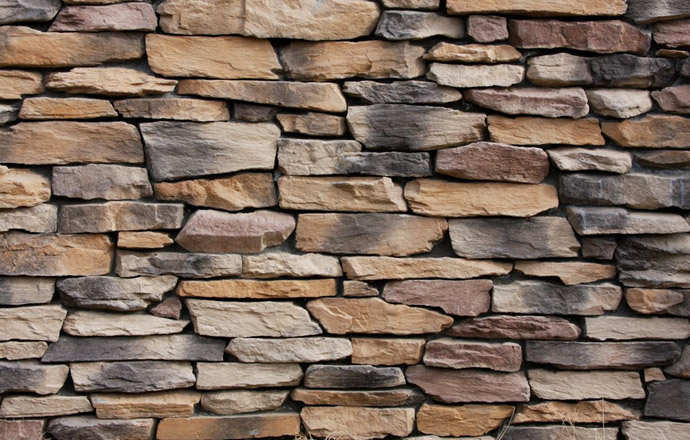
Repointing / Mortar Repair
Stone masonry requires precision to prevent movement and surface damage. Repairs focus on restoring stability while preserving the natural look of the stone.
Concrete Steps / Walkway
Chimneys are exposed to weather from all sides, which causes faster wear and joint failure. Proper chimney masonry repair helps prevent water entry, loose brick, and structural risk.
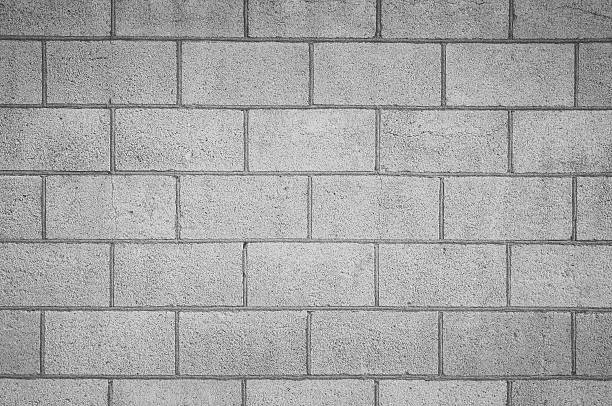
Brick & Stone Work
Damaged brick and stone don’t improve over time. Our masonry specialists repair cracked brickwork, restore failing mortar joints, and rebuild compromised sections with materials carefully matched to your existing structure.
Concrete Steps / Walkway
Chimneys are exposed to weather from all sides, which causes faster wear and joint failure. Proper chimney masonry repair helps prevent water entry, loose brick, and structural risk.
STILL NOT SURE?
Frequently Asked Questions
What is the difference between cement and concrete?
Cement is an ingredient concrete is the finished material. Concrete is made by mixing cement with water, sand, and aggregate. Most residential and commercial flatwork, foundations, and structural elements are made from concrete.
How do I know if my concrete needs repair or full replacement?
Surface cracking, minor spalling, and small joint gaps can often be repaired. However, deep structural cracks, significant settlement, or widespread deterioration typically indicate that replacement is the more durable and cost-effective solution.
How long does concrete repair last?
When done correctly with the right materials and proper surface preparation, concrete repairs can last many years. Poor patching with incompatible materials, however, often fails within one to two seasons.
Can concrete be repaired in cold weather?
Concrete work requires specific temperature conditions to cure properly. Cold weather can affect the curing process and reduce the durability of repairs. Work is generally best performed when temperatures are consistently above freezing.
What causes concrete to crack?
The most common causes include freeze-thaw cycles, moisture intrusion, soil movement, improper drainage, and the use of incompatible repair materials. In many cases, cracks begin small and grow over time if left unaddressed.
How long does new concrete take to cure?
Concrete reaches initial hardness within 24 to 48 hours but takes approximately 28 days to fully cure. During this period it should be protected from heavy loads, extreme temperatures, and direct water exposure.
Expert Masonry & Construction Services in Boston & Nearby Areas
Planning a repair, renovation, or construction project can raise a lot of questions. Our team works with homeowners and businesses across Boston and nearby areas, providing reliable construction and masonry services with a focus on clear communication and solid results.
Share a few details about your project using the form, and we’ll review it and get back to you with a free estimate and clear next steps.

Skilled in brick, stone, and chimney work, we deliver durable, high-quality masonry services that keep Boston homes safe, strong, and looking their best.
Skilled in brick, stone, and chimney work, we deliver durable, high-quality masonry services that keep Boston homes safe, strong, and looking their best.