
Expert Repointing & Mortar Repair in Boston, MA
Crumbling joints? Soft mortar? We specialize in brick repointing, mortar repair, and joint restoration near you — done right the first time by licensed local specialists.

4.9 ★ Rated by Local Clients

Licensed & Certified Team

15+ Years of Masonry Experience
When Do You Need Repointing?

Early Stage Damage
Joint Repointing
You're in the early stage if you notice recessed mortar, minor crumbling, or slight discoloration between your bricks. The structure is still mostly intact — but acting now with a repointing repair saves you from major costs later.
Signs You're at This Stage:
→ Mortar is recessed more than ¼ inch
→ Soft or crumbling joints between bricks
→ Minor white staining (efflorescence)
→ No visible water leaking inside
Advanced Damage
Full Mortar Restoration
You're at an advanced stage if mortar is missing in large sections, bricks are shifting, or you're seeing water seeping through walls. This requires full mortar removal and repointing — a deeper intervention to restore structural integrity.
Signs You're at This Stage:
→ Large sections of mortar missing or hollow
→ Bricks shifting, loose, or starting to fall
→ Water leaking through walls or chimney
→ Visible cracks running through multiple joints
Your Local Experts in Tuckpointing, Masonry & Chimney Repair — Free Estimate Available
We work with both residential and commercial clients on a wide range of projects across Greater Boston.
From repairs to larger builds, our focus is on clear communication and work that holds up over time.
Common Repointing Problems and How We Fix Them
Most mortar problems don't start as emergencies. They begin with slightly recessed joints, soft spots, or faint white staining. Because these signs develop slowly, most homeowners ignore them — until the damage reaches the brick itself. Mortar repair is time-sensitive: the longer you wait, the deeper the moisture damage and the higher the restoration cost.
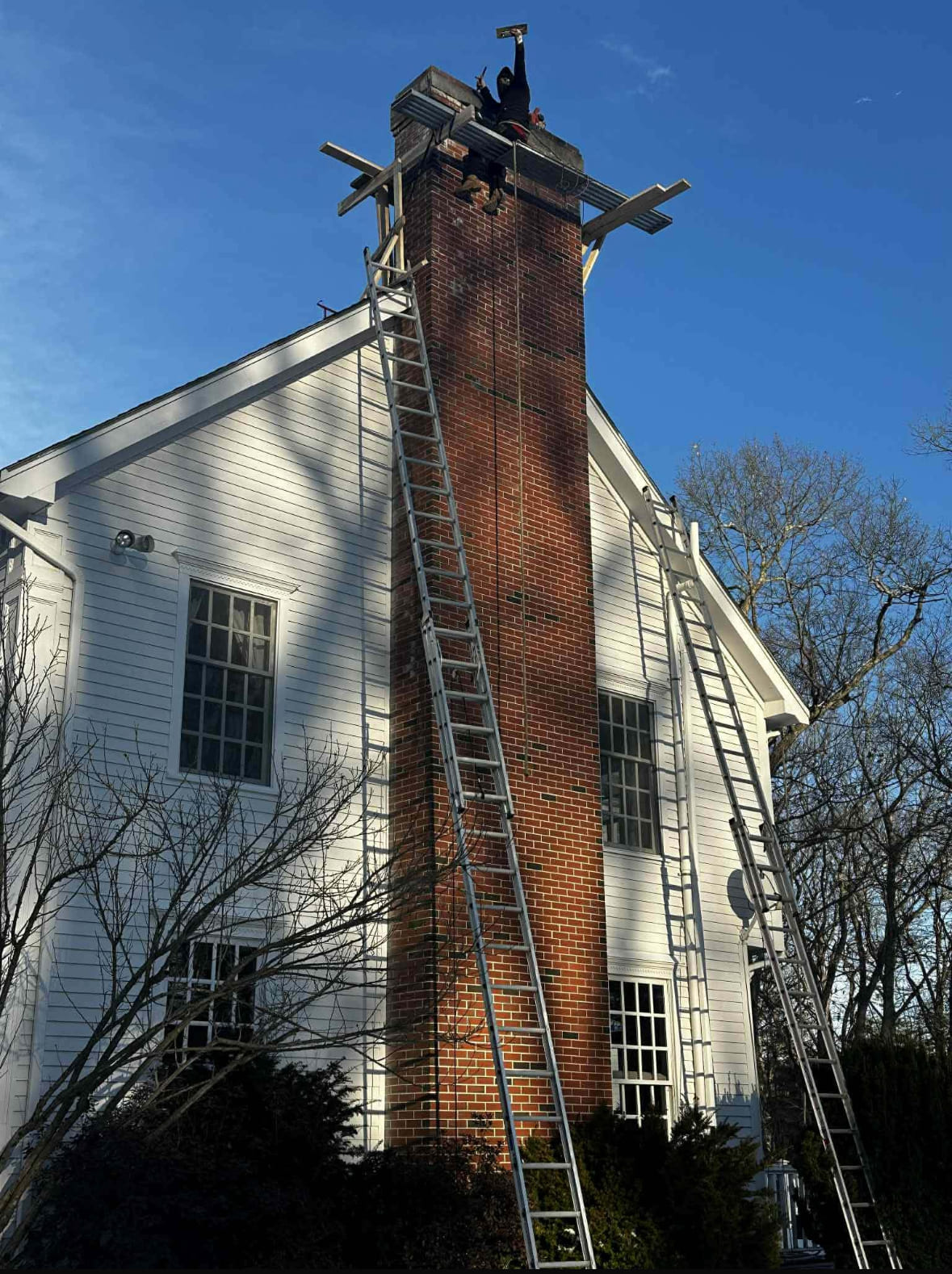
Why Mortar Joints Fail Over Time
Every season, your mortar joints absorb moisture, contract in cold weather, and expand in heat. This freeze-thaw cycle is the #1 cause of mortar deterioration. As joints weaken, water penetrates deeper — softening the mortar bed, loosening bricks, and turning a simple repointing job into a full structural repair.
Chimneys and exterior walls are especially vulnerable — constantly exposed to rain, wind, and temperature swings that accelerate joint erosion year after year.
01 Moisture enters deteriorated mortar joints Water expands inside the joint during freeze cycles, forcing bricks apart from within.
02 Joints recede deeper — bricks begin to shift Without timely repointing, structural movement and water damage accelerate each year.
03 Surface damage becomes structural failure What could have been a simple repoint now requires full brick replacement or wall restoration.
Our Approach
Repointing Done Right — Not Just Fast
Most quick-fix patches fail within a season. Premixed mortar pressed over deteriorated joints looks fine temporarily — then one freeze-thaw cycle later, the damage returns worse than before.
Our repointing services start with a full joint assessment — depth, mortar composition, moisture level, and brick condition. We grind out deteriorated mortar to the correct depth, then apply new mortar matched to your brick's age, hardness, and exposure. Every repointing job we complete is built to handle the next 20–30 years of New England weather.
TESTIMONIALS
What our clients are saying
Other Masonry Services

Tuckpointing
When mortar joints begin to crack, crumble, or deteriorate, your brickwork becomes vulnerable to water damage and structural movement.
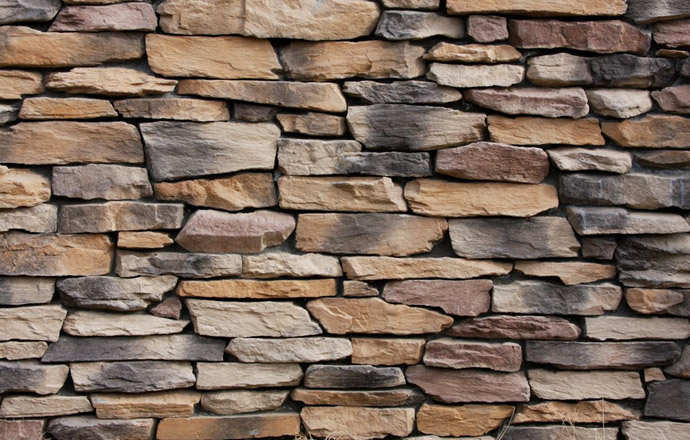
Brick & Stone Work
Damaged brick and stone don’t improve over time. Our masonry specialists repair cracked brickwork, restore failing mortar joints, and rebuild compromised sections with materials carefully matched to your existing structure.
Concrete Steps / Walkway
Chimneys are exposed to weather from all sides, which causes faster wear and joint failure. Proper chimney masonry repair helps prevent water entry, loose brick, and structural risk.
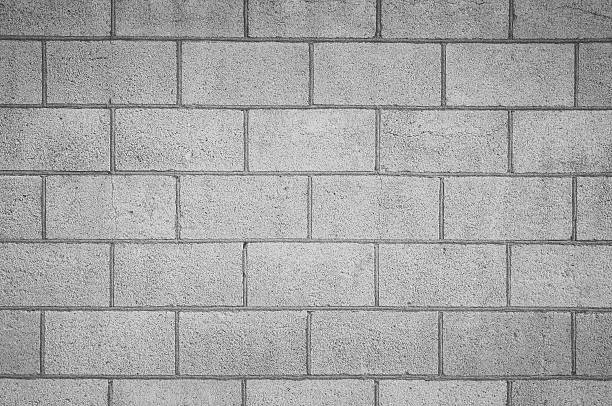
Masonry Repair
Concrete block masonry carries heavy loads, but cracks and stress weaken it over time. We repair foundations, retaining walls, and structural masonry to restore strength and prevent further deterioration.
Chimneys
Chimneys are exposed to weather from all sides, which causes faster wear and joint failure. Proper chimney masonry repair helps prevent water entry, loose brick, and structural risk.
STILL NOT SURE?
Frequently Asked Questions
How do I know if I need repointing or a full rebuild?
If mortar is recessed, crumbling, or missing but the bricks themselves are still intact and properly aligned, repointing restores the joints without needing to touch the brick. A rebuild is typically only necessary when bricks have shifted significantly, large sections are structurally unstable, or the wall has moved beyond what repointing can correct. A free on-site inspection tells you which stage you're at.
How long does repointing last?
When done correctly, with mortar matched to your brick's age and hardness, repointing typically lasts 20 to 30 years. Homes exposed to heavier freeze-thaw cycling or coastal moisture may see a shorter lifespan on the lower end of that range, which is why proper mortar selection matters as much as the labor itself.
What's the difference between repointing and tuckpointing?
Repointing is a structural repair, removing deteriorated mortar and replacing it to restore the joint's integrity. Tuckpointing is primarily cosmetic, creating the appearance of fine, uniform joints, often on brick that doesn't actually need structural mortar repair. Most homes with visibly crumbling or recessed mortar need repointing, not tuckpointing.
Will repointing match my home's existing mortar color and joint style?
Yes. We match new mortar to your home's existing joint width, tooling profile, and color as closely as possible, so the repaired sections blend with the surrounding brickwork rather than standing out.
Can repointing fix a structural crack?
No. Repointing addresses mortar deterioration, not the underlying cause of a structural crack. If cracking is related to foundation settlement or wall movement, that needs to be diagnosed and addressed separately, repointing over an actively moving crack will fail.
Expert Masonry & Construction Services in Boston & Nearby Areas
Planning a repair, renovation, or construction project can raise a lot of questions. Our team works with homeowners and businesses across Boston and nearby areas, providing reliable construction and masonry services with a focus on clear communication and solid results.
Share a few details about your project using the form, and we’ll review it and get back to you with a free estimate and clear next steps.

Skilled in brick, stone, and chimney work, we deliver durable, high-quality masonry services that keep Boston homes safe, strong, and looking their best.
Skilled in brick, stone, and chimney work, we deliver durable, high-quality masonry services that keep Boston homes safe, strong, and looking their best.