
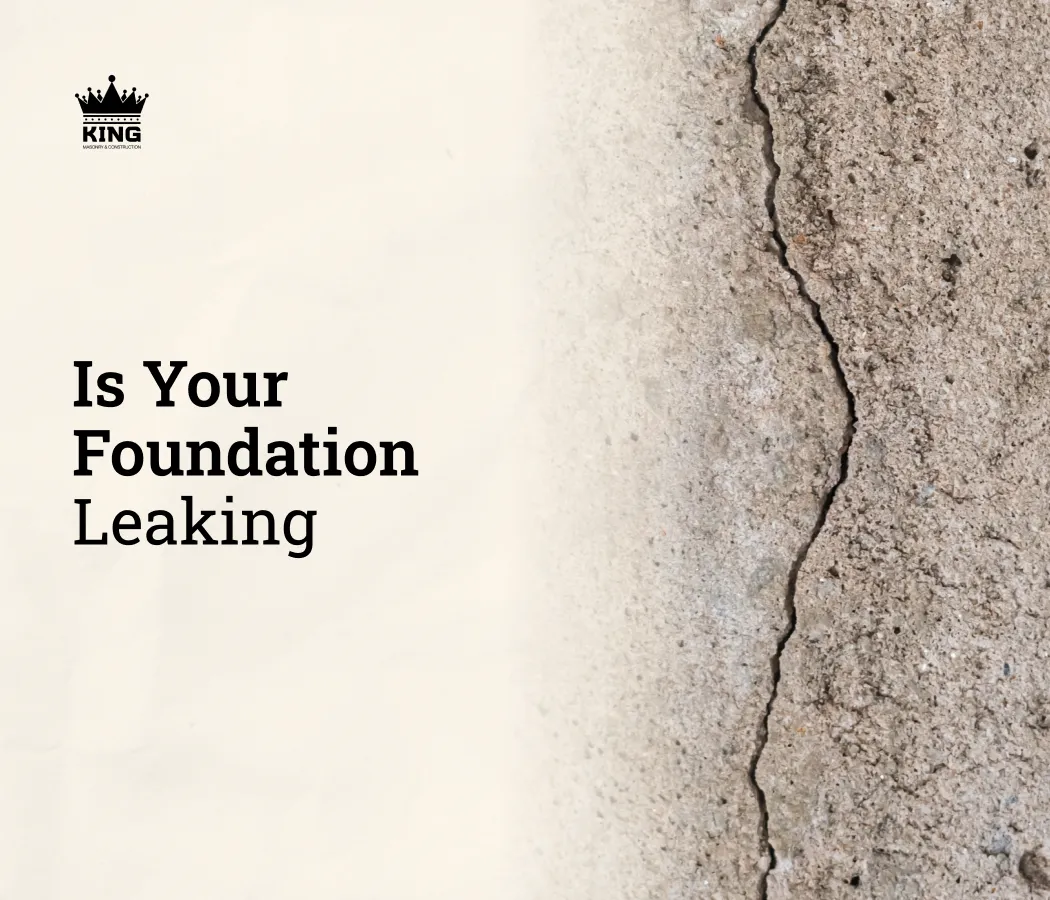
Concrete Foundation Cracks: Small Problem or Serious Damage?
You notice a crack running along your foundation wall. Maybe it's been there a while. Maybe it appeared after last winter. Either way, the question is the same is this something to watch, or something to fix right now?
The honest answer is: it depends on the crack. Not all foundation cracks are equal. Some are normal, predictable, and low-risk. Others are early warnings of structural movement that gets worse and more expensive the longer it's ignored.
Here's how to tell the difference.
Why Foundation Cracks Happen in Boston
Boston's climate puts concrete foundations through a punishment cycle year after year. Winters push soil moisture deep, freeze-thaw cycles expand and contract the ground around your foundation, and spring thaw brings hydrostatic pressure against basement walls.
Add to that the age of most Boston-area homes many built on rubble stone or early poured concrete foundations and cracking becomes almost inevitable over time. The question isn't whether your foundation will crack. It's what type of crack you're dealing with.
Types of Foundation Cracks and What They Mean
Hairline Cracks
These are the thin, surface-level cracks that appear as concrete cures and settles. They're typically less than 1/16 of an inch wide and don't penetrate deeply into the wall. In most cases, hairline cracks are cosmetic. They're worth monitoring but rarely require immediate structural repair.
However, hairline cracks that appear in large numbers, run in patterns, or begin widening over time are worth getting evaluated.
Vertical Cracks
Vertical cracks are among the most common foundation cracks in New England homes. They usually result from concrete shrinkage during the curing process or minor settling of the structure. On their own, narrow vertical cracks are typically low-risk.
The concern comes when they widen at the top or bottom, when water begins seeping through, or when they're accompanied by other signs of movement. Vertical cracks that allow moisture intrusion need to be sealed water damage compounds quickly once it finds a path.
Horizontal Cracks
Horizontal cracks are the ones that demand immediate attention. These run parallel to the ground and indicate lateral pressure from the soil pushing against the foundation wall. In block foundations, horizontal cracking is especially serious it can signal the early stages of wall bowing or inward movement.
Left unaddressed, horizontal cracks lead to bowing walls, which lead to structural failure. This is not a monitor-and-wait situation. If you see a horizontal crack in your foundation, get it inspected.
If your basement wall is already showing signs of movement, read our full guide on Bowing Basement Wall Repair in Boston.
Diagonal Cracks
Diagonal cracks typically indicate differential settlement one part of the foundation is sinking or shifting at a different rate than another. They often run at a 30 to 75 degree angle from corners of windows, doors, or wall openings.
Mild diagonal cracking from minor settling can be stable. But widening diagonal cracks, or cracks that are wider at one end than the other, suggest active movement that needs professional assessment.
Stair-Step Cracks
Common in block and brick foundations, stair-step cracks follow the mortar joints in a staircase pattern. They often appear at corners and indicate settling or shifting. Like diagonal cracks, the severity depends on whether the movement is ongoing and how wide the crack has become.
Warning Signs That Require Immediate Action
Regardless of crack type, certain signs indicate you need a professional evaluation now:
The crack is wider than 1/4 inch
The crack is wider at one end than the other
You can see daylight through the crack
Water is actively seeping through
The wall is visibly bowing or leaning inward
Doors or windows in the floor above are suddenly sticking or misaligning
The crack has grown noticeably since you first noticed it
Any one of these signs means the foundation is under stress. The longer structural movement continues unchecked, the more extensive and expensive the repair becomes.
What Happens If You Ignore It
Foundation issues are not self-correcting. A small crack that allows water in today becomes a larger crack next winter when that water freezes and expands. Soil pressure that's causing minor movement now will continue to push as the freeze-thaw cycle repeats.
Water finding its way through foundation cracks is also directly connected to basement moisture and flooding. If you're dealing with recurring dampness, our guide on Basement Waterproofing in Boston covers what to do before the next storm season.
The repair options for a foundation crack caught early are relatively straightforward crack injection, sealing, or targeted masonry repair. The repair options for a foundation wall that has bowed significantly or begun to fail are far more involved and far more costly. When the damage goes beyond a single crack and points to a larger problem, our guide on concrete foundation repair in Boston covers the signs, costs, and full repair options.
Early diagnosis is always the better outcome.
How Foundation Cracks Are Repaired
The right repair depends entirely on the type and cause of the crack.
Epoxy or polyurethane injection is used for non-structural cracks that need to be sealed against water intrusion. The material is injected under pressure to fill the crack from the inside out, creating a watertight seal.
Carbon fiber straps are used to stabilize walls showing signs of bowing or lateral movement. They're anchored to the floor joist above and the footing below, preventing further inward movement without major excavation.
Wall anchors are used for more advanced bowing where carbon fiber alone isn't sufficient. They tie the foundation wall to a stable anchor point in the soil outside, counteracting the lateral pressure.
Full foundation repair or underpinning is reserved for cases involving significant settling, structural failure, or foundations that have moved beyond the point of stabilization alone.
For a full breakdown of what our foundation and basement services cover, visit our Foundation and Basement page.
Get Your Foundation Evaluated
If you've noticed cracking in your foundation whether it appeared last week or has been there for years the smart move is to get it looked at before the next Boston winter adds more stress to the structure.
Kings Masonry & Construction provides foundation crack inspections and repairs across Boston, MA and surrounding areas. We'll tell you exactly what you're dealing with, what it means, and what it takes to fix it.
Call us at (857) 249-5127 or contact us online to schedule your foundation inspection.
Frequently Asked Questions
How do I know if a foundation crack is structural or cosmetic?
Width and direction are the two biggest indicators. Cracks under 1/8 inch that are vertical or hairline are usually cosmetic. Horizontal cracks, cracks wider than 1/4 inch, or any crack that's actively growing are structural concerns that need professional evaluation.
Can I seal a foundation crack myself?
DIY sealants can temporarily stop water from coming in, but they don't address the cause of the crack or prevent it from widening. For long-term repair, especially on cracks showing movement, professional injection or structural reinforcement is the right approach.
How much does foundation crack repair cost in Boston?
Simple crack injection typically starts in the low hundreds. Structural repairs involving carbon fiber straps or wall anchors range higher depending on the extent of the damage. Getting an inspection early almost always reduces the total cost.
Will my homeowner's insurance cover foundation crack repair?
Most standard policies don't cover foundation cracking caused by settling or soil pressure. Coverage is more likely if the damage resulted from a sudden event. It's worth reviewing your policy and consulting your provider directly.
How often should I inspect my foundation?
Once a year is a reasonable baseline for most Boston homeowners ideally in spring after the freeze-thaw season. If you've noticed new cracking or moisture, inspect more frequently and document any changes with photos.
Does water coming through a foundation crack always mean serious damage?
Not always, but it always needs to be addressed. Even a hairline crack that lets water through will worsen over time as freeze-thaw cycles expand it. Water intrusion is a sign the crack needs to be sealed at minimum.