
Brick vs Mortar Damage: How to Identify What’s Actually Failing
Cracks in a brick wall can be alarming for any homeowner. Many people immediately assume that the bricks themselves are failing. However, in most cases the real problem is cracked mortar between bricks, not the bricks themselves.
Understanding the difference between brick vs mortar damage is important because each issue requires a completely different repair approach. Mortar deterioration is often part of the natural aging process of masonry and can usually be repaired through professional masonry repair services without replacing the entire wall. Understanding brick vs mortar damage early helps homeowners avoid unnecessary repairs. In many cases, cracked mortar between bricks is the first visible warning sign that the masonry system needs attention.
Understanding the Difference Between Brick and Mortar
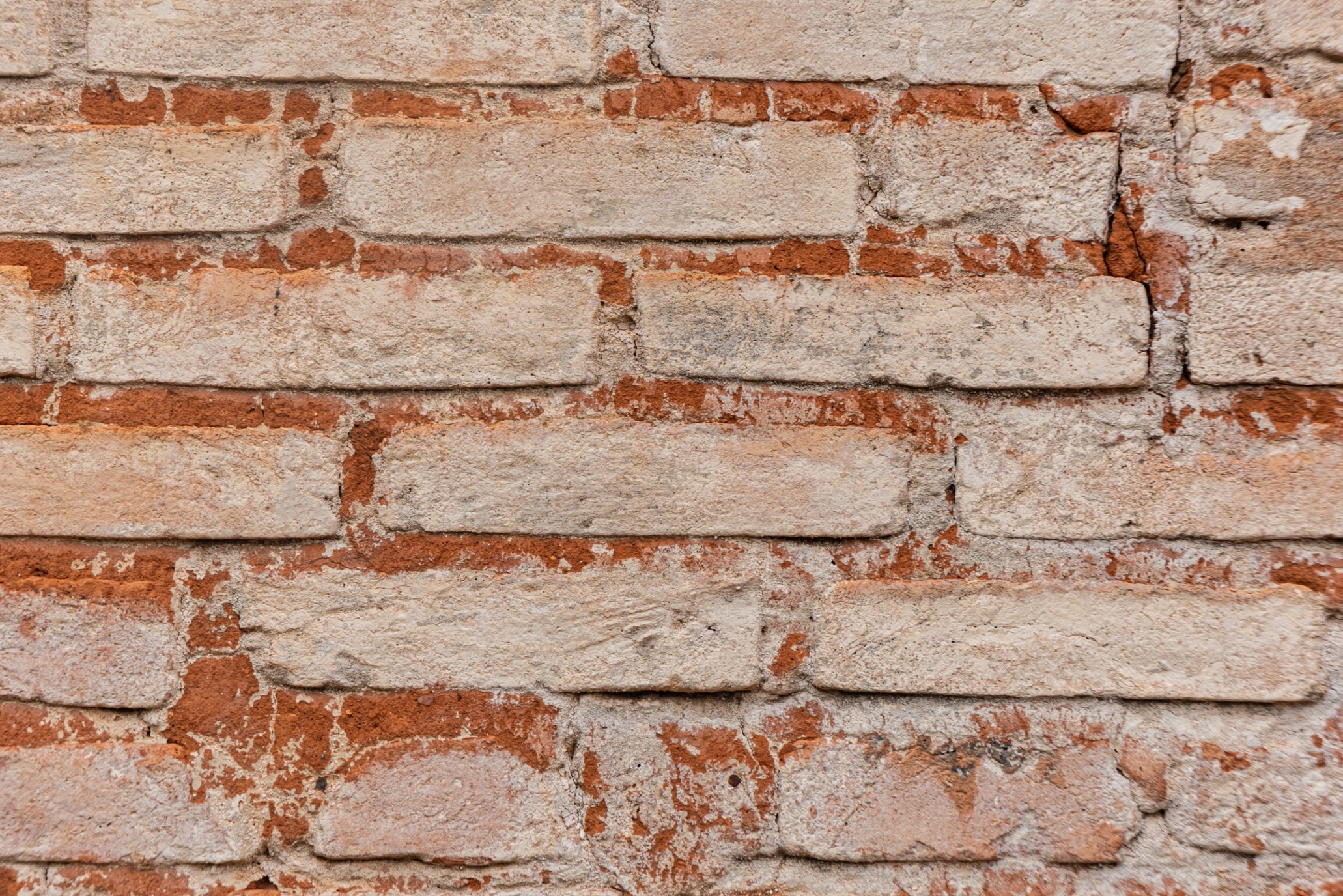
To properly diagnose a masonry wall, it helps to understand how bricks and mortar work together. When evaluating brick vs mortar damage, professionals focus on where the deterioration begins. Most masonry walls show cracked mortar between bricks long before the bricks themselves begin to fail.
The Brick
Bricks are the main structural units of a masonry wall. Made from fired clay or similar materials, they are designed to withstand decades of weather exposure and can last 75 to 100 years or more.
They provide both structural strength and the classic architectural appearance that brick homes are known for.
The Mortar
Mortar is the binding material placed between bricks. It seals the joints and holds the masonry system together.
Unlike bricks, mortar is intentionally designed to be softer and more flexible. This allows the wall to absorb temperature changes and small structural movements.
Because of this, mortar is considered a sacrificial material. Over time it deteriorates first to protect the bricks. When this happens, the wall can often be restored through brick mortar repointing rather than replacing the bricks.
However, improper repairs can actually damage masonry structures. Many contractors use the wrong mortar mix or apply it incorrectly, which is one of the issues explained in common repointing brickwork mistakes homeowners should avoid.
Signs of Mortar Damage
Most masonry problems homeowners notice actually come from deteriorating mortar joints. When homeowners search for brick vs mortar damage, they are often dealing with cracked mortar between bricks, which is one of the earliest and most visible masonry warning signs.
Cracked Mortar Between Bricks
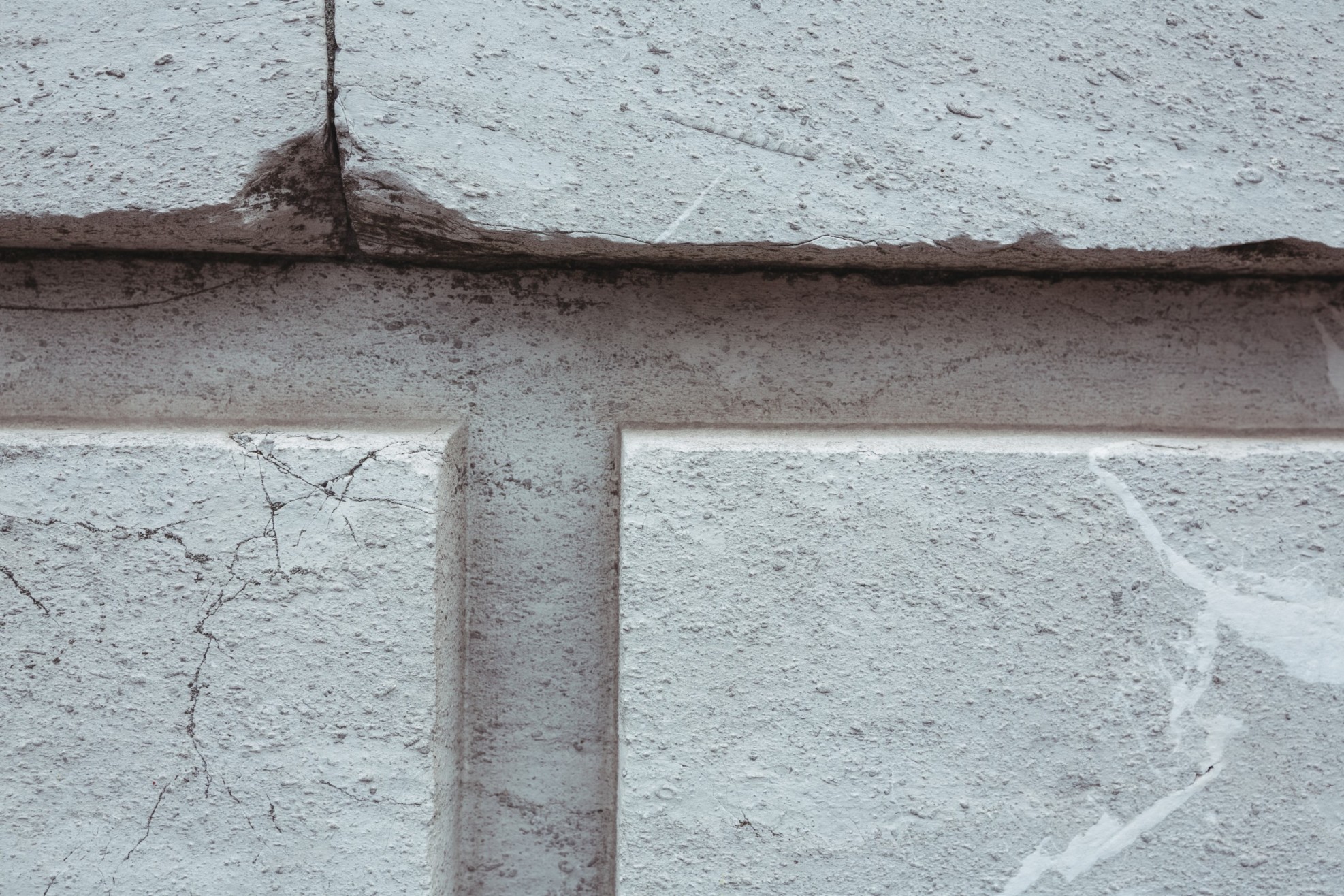
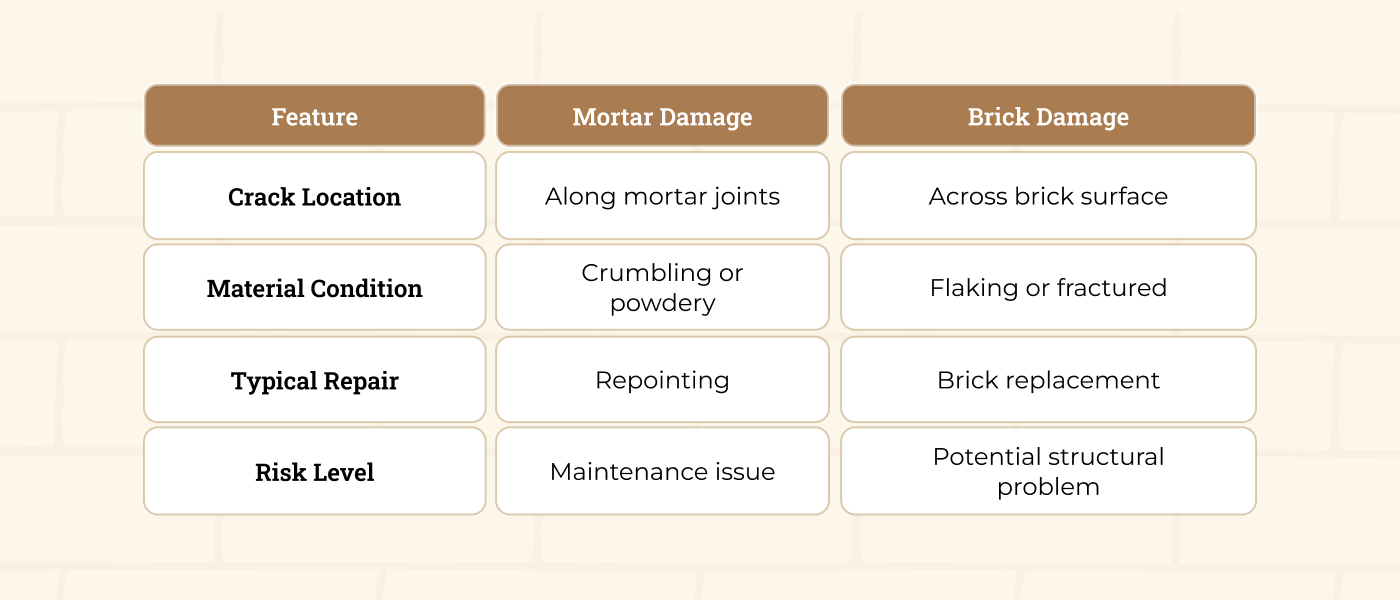
One of the most common issues is cracked mortar between bricks. These cracks typically follow the zig-zag pattern of the mortar joints rather than cutting through the bricks themselves. In most cases, cracked mortar between bricks does not mean the bricks themselves are failing. Instead, it highlights the typical pattern of brick vs mortar damage, where mortar deteriorates first as part of the natural life cycle of masonry.
This type of damage usually develops due to:
Aging mortar
Weather exposure
Freeze–thaw cycles
Minor structural movement
Over time, moisture enters the small cracks and gradually weakens the bond between bricks.
Crumbling or Missing Mortar
As mortar ages, it begins to lose its strength and bonding ability.
Common warning signs include:
Mortar falling out of joints
Gaps between bricks
Powdery residue forming in the joints
Bricks that feel slightly loose
When this occurs, homeowners often need brick repointing services to restore the stability and appearance of the wall.
Mortar Erosion
Wind-driven rain and decades of weather exposure can slowly erode mortar joints. This is especially common in chimneys, exterior walls, and older brick structures.
Moisture damage is particularly severe around chimneys. If water repeatedly enters the masonry structure, it can cause long-term deterioration similar to the problems described in what happens when water gets in your chimney.
Signs of Brick Damage
While mortar deterioration is common, actual brick failure is less frequent and may indicate a deeper structural issue. Understanding brick vs mortar damage is critical here, because real brick failure is far less common than cracked mortar between bricks.
Brick Cracking
When bricks themselves crack, the damage typically appears as straight lines running across the brick surface rather than along the joints.
Possible causes include:
Foundation settlement
Structural shifting
Long-term moisture exposure
If you notice several cracked bricks in the same area, it may indicate a deeper structural issue requiring foundation repair and stabilization.
Brick Spalling
Spalling occurs when the surface of a brick begins to flake or peel away.
This usually happens when moisture becomes trapped inside the brick and freezes during cold temperatures. The expanding ice creates pressure that forces the outer surface of the brick to break apart.
In many cases, severely damaged bricks require professional brick repair and replacement to restore the structural integrity of the wall.
Quick Masonry Inspection Tips for Homeowners
Before calling a contractor, homeowners can perform a simple visual inspection of their brick walls.
The Penny Test
Try sliding a penny into a crack in the mortar joint.
If the penny fits, the crack is large enough for water to enter the wall.
Water penetration can lead to mold growth, wood rot, and interior damage over time.
The Scratch Test
Lightly scratch a mortar joint with a screwdriver.
If the mortar turns to powder with very little pressure, it has likely deteriorated and may need repointing.
Check the Weep Holes
Look along the bottom row of bricks on your exterior wall.
You should notice small vertical openings known as weep holes. These allow trapped moisture to escape from behind the masonry system. Blocking these openings can trap water inside the wall.
The Tap Test
Gently tap a brick using a rubber mallet.
A sharp, ringing sound usually indicates solid masonry
A dull sound may suggest loose bricks or failing mortar joints
Brick vs Mortar Damage: Key Differences
Understanding the difference between these two types of damage helps determine the correct repair solution. When homeowners compare brick vs mortar damage, the key factor is the location of the crack. Damage that follows the joints usually means cracked mortar between bricks, while cracks cutting through the brick units indicate actual brick failure.
Common Causes of Masonry Damage
Several factors can contribute to both brick and mortar deterioration.
A Lesson from the Field: The Clogged Gutter Crisis
To understand how quickly masonry issues can escalate, it helps to look at a real example from the field.
During a recent project in the Greater Boston area, our Lead Technician John was called to inspect what the homeowner believed was a minor cosmetic problem.
“The client had noticed stair-step cracks and a few crumbling bricks near the base of their home,” John explains. “At first glance it looked like typical mortar deterioration. But after a closer inspection, we discovered the real issue wasn’t the age of the house it was the gutters.”
Clogged gutters were directing a constant stream of water straight onto the masonry wall. In New England’s climate, that water soaked into the mortar joints and froze during cold temperatures, creating severe freeze thaw damage.
Because the issue was caught early, the repair process remained relatively simple. Our team cleared the drainage problem, replaced the damaged bricks, and performed a precision historic mortar match.
Within just two days, the wall’s structural integrity was restored preventing what could have become a full structural rebuild costing the homeowner thousands of dollars.
Freeze Thaw Cycles
Water enters small cracks and freezes, expanding inside the masonry and widening the damage.
Moisture Penetration
Damaged flashing, leaking gutters, or poor drainage can keep masonry walls constantly wet.
Structural Movement
If a foundation shifts, bricks may crack because they are rigid and unable to flex.
Improper Repairs
Using the wrong mortar mix during previous repairs can cause bricks to deteriorate faster.
Repointing (Mortar Repair)
Repointing is the most common solution for deteriorating mortar joints.
During this process:
Damaged mortar is carefully removed
The joints are cleaned
New, color-matched mortar is installed
This restores both the strength and appearance of the wall. If the damage extends beyond the mortar joints and affects the bricks themselves, more extensive repairs may be required. Our detailed guide on how brick wall repair works explains the typical repair process and what homeowners should expect.
Brick Replacement
If the bricks themselves are cracked, spalling, or structurally damaged, they must be removed and replaced with new bricks that match the original masonry.
Misidentifying a crack in your wall can lead to a lot of unnecessary stress or worse, a "small" issue that you ignore until it turns into a massive, expensive nightmare. We’ve seen it many times: a homeowner waits too long, and a simple repointing job turns into a full foundation rebuild. Knowing the real warning signs isn't just about aesthetics; it’s about protecting the roof over your head.
Don't play the guessing game with your home. If you’re not sure whether you’re looking at a minor cosmetic crack or a structural red flag, let us take a look for you. We’ll give you an honest assessment so you can sleep better at night.
Frequently Asked Questions about Masonry Damage
How can I tell the difference between brick vs mortar damage?
The most reliable way to tell is by looking at the path of the crack. If the damage follows the "steps" of the joints between the bricks, it is likely mortar deterioration. However, if you see cracks slicing directly through the center of the brick units, you are dealing with actual brick damage, which may indicate a structural issue or foundation movement.
What is the most common cause of cracked mortar between bricks?
In our region, the primary culprit is the freeze-thaw cycle. Moisture gets trapped in small pores or existing hairline cracks in the mortar. When temperatures drop, that water turns to ice and expands, physically pushing the mortar apart. Over time, this causes the cracked mortar between bricks to crumble and fall out.
Is it possible to repair cracked mortar without replacing the bricks?
Absolutely. If the bricks themselves are still in good condition, we perform a process called repointing. We carefully grind out the damaged mortar and replace it with a fresh, color-matched mix. This restores the wall's strength and water resistance without the cost of a full rebuild.
Why is my brick surface flaking or peeling off?
This is known as "spalling." It often happens when a previous repair used a mortar mix that was too hard (like modern Portland cement) on older, softer bricks. Because the wall couldn't expand and contract naturally, the pressure forced the face of the bricks to pop off. It can also be caused by heavy water saturation from leaking gutters.
When should I worry about a crack in my brick wall?
You should call a masonry professional immediately if you notice cracks wider than 1/4 inch, bricks that are physically shifting or "bulging" outward, or cracks that run in a straight vertical line through both bricks and mortar. These are signs that the damage is more than just cosmetic.