Best Flooring Option for a Basement With Foundation Issues
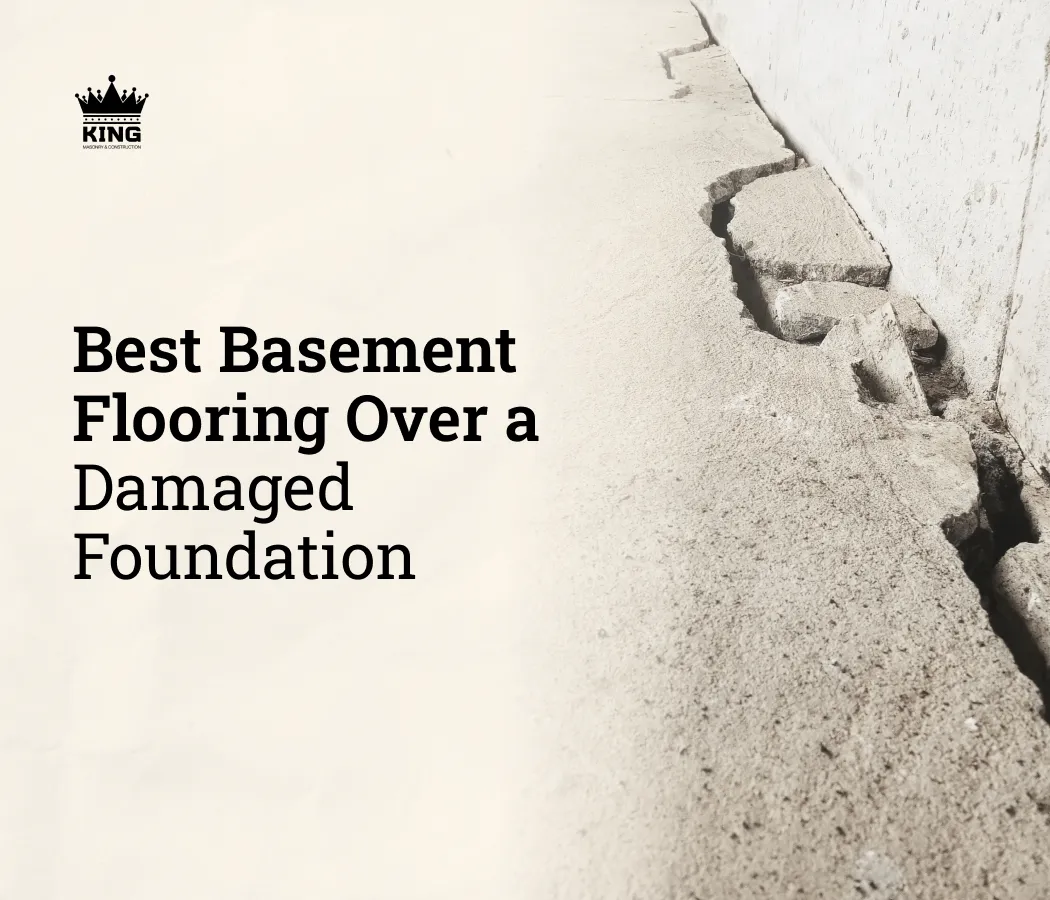
It's a common question from homeowners eager to finish or refresh a basement: what's the best flooring option for a basement when the foundation underneath has visible cracks, moisture issues, or past damage? The honest answer starts with a caution flooring choice matters, but it is not a substitute for addressing the underlying foundation issue first.
Here's how to think through flooring decisions once repair is underway, and which materials handle a basement's unique conditions best. The right choice depends not just on appearance, but on how the material responds to humidity, occasional dampness, and the temperature swings common in a below-grade space.
Why Repair Should Come Before Flooring Decisions
Installing new flooring over an unresolved foundation issue — active leaks, unaddressed cracks, or ongoing settlement almost always leads to the same outcome: the new flooring gets damaged, and the underlying problem is now hidden rather than fixed. Any flooring conversation should start after structural and moisture issues have been properly evaluated and addressed.
This sequencing matters even for cosmetic-looking issues. A crack that appears stable today can still be an active pathway for moisture vapor, which won't visibly pool on the surface but will slowly affect adhesives, subfloor materials, and anything installed directly against the concrete. Confirming the slab is genuinely dry — not just free of standing water — is a meaningful part of getting the sequencing right, and it's the real starting point for figuring out the best flooring option for your specific basement.
Flooring Options That Handle Basement Conditions Well
Waterproof Vinyl Plank
Rigid or luxury vinyl plank flooring is one of the most popular choices for basements because it resists moisture well and installs directly over concrete with a vapor barrier underneath, without the risk of swelling that wood-based products face. For many homeowners weighing durability against cost, this ends up being the best flooring option once the slab is confirmed dry.
Sealed and Coated Concrete
Leaving concrete exposed and applying a moisture-resistant sealant or epoxy coating is a durable, low-maintenance option, particularly for basements still used partly for storage or utility purposes.
Ceramic or Porcelain Tile
Tile handles moisture well and is highly durable, though it requires a properly leveled, crack-free subfloor to avoid tile cracking if any residual settlement occurs.
Basement-Rated Laminate
Some laminate products are manufactured specifically for below-grade use, with a moisture-resistant core designed to hold up better than standard laminate. These can be a reasonable middle-ground option, offering a wood-look finish without the moisture vulnerability of solid hardwood — though they still require a fully dry, well-prepared subfloor.
Flooring to Avoid in a Basement With a History of Moisture
Solid hardwood and standard carpet are generally poor choices for basements with any history of moisture issues. Hardwood is prone to warping and swelling, and carpet can trap moisture against the subfloor, creating conditions for mold growth even after visible water problems have been resolved. Ruling these out early narrows the field considerably when weighing the best flooring option for a space with any moisture history.
Subfloor Preparation Steps Before Installing Flooring
Testing for Residual Moisture
Even after visible repairs are complete, concrete can hold residual moisture that isn't obvious to the eye. A calcium chloride test or a moisture meter reading gives a more reliable measurement, and most flooring manufacturers specify an acceptable moisture threshold before their product can be installed under warranty.
Leveling and Patching the Slab
Old crack repairs, uneven patches, or minor settlement can leave a slab that isn't perfectly flat. Self-leveling compound is commonly used to correct minor variations before flooring goes down, since most flooring materials especially rigid vinyl plank and tile perform poorly over an uneven surface.
Long-Term Maintenance Tips for Basement Flooring
Once new flooring is installed, ongoing maintenance helps protect the investment. Running a dehumidifier during humid months, keeping an eye on the same drainage and grading factors that were addressed during the original repair, and periodically checking baseboards or transitions for any sign of moisture can catch a developing issue early — well before it reaches the flooring itself.
How Contractors Evaluate a Basement Before Recommending Flooring
A thorough evaluation typically goes beyond a quick visual check. Expect a contractor to review the history of any past repairs, check current moisture levels at the slab, assess how the space is used (storage versus future living space), and confirm that drainage improvements made during the repair are functioning as intended before any flooring recommendation is finalized. This sequence matters — recommending a specific product before confirming the space is genuinely dry skips a step that often leads to problems within the first year or two, no matter how well-suited that product is on paper.
Choosing Trim and Transition Materials
Flooring decisions don't end at the field material — baseboards, transition strips, and trim around the perimeter also need to handle basement conditions well. PVC or composite trim resists moisture better than traditional wood baseboard, and leaving a small gap between flooring and walls, covered by trim, allows the material room to expand and contract without buckling.
For related guidance, take a look at our basement waterproofing page.
Frequently Asked Questions
Can I install flooring over a basement floor with cracks?
Not without addressing the cracks first. Cracks can indicate settlement or moisture pathways, and covering them without repair risks trapping moisture beneath new flooring, leading to damage that is harder to detect until it's extensive.
Is vinyl plank flooring good for a basement?
Yes, waterproof vinyl plank is one of the most basement-friendly flooring options available, since it resists moisture well and is less prone to warping compared to wood-based alternatives.
Do I need a vapor barrier under basement flooring?
In most cases, yes. Concrete slabs allow some moisture vapor through even without visible leaks, and a vapor barrier helps protect flooring materials from moisture damage over time.
How do I know if my basement is dry enough to finish?
A professional moisture assessment, sometimes including a calcium chloride or humidity test on the slab, gives a more reliable answer than visual inspection alone, especially if there's any history of past water issues.
What's the most durable flooring for a basement that floods occasionally?
Sealed concrete or waterproof vinyl plank tend to hold up best against occasional moisture exposure, since both are far more water-resistant than carpet or hardwood. That said, recurring flooding points to a drainage issue that should be resolved regardless of flooring choice.