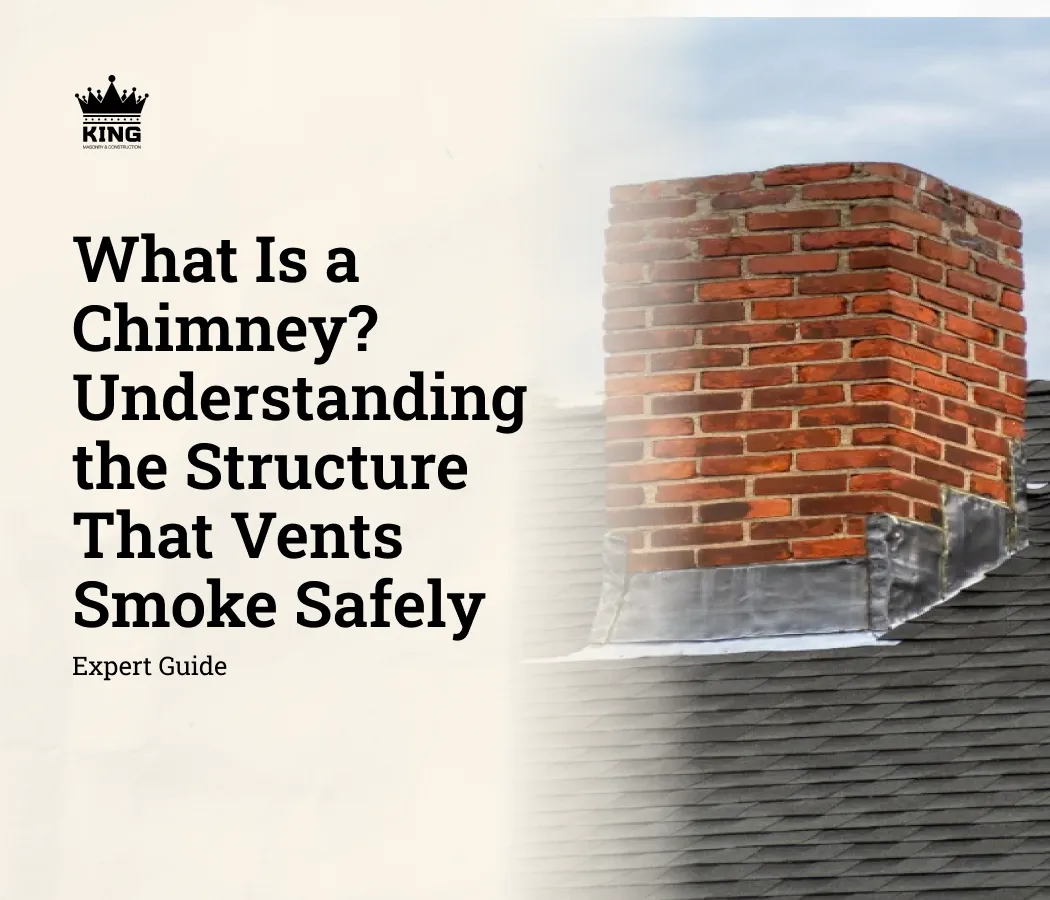
What Is a Chimney? Understanding the Structure That Vents Smoke Safely
Most homeowners use their fireplace or heating system without thinking much about the vertical structure rising above their roof. But understanding what is a chimney goes beyond recognizing it as "that brick thing on top of the house." A properly functioning chimney is a carefully engineered system designed to safely remove combustion byproducts from your home while withstanding extreme temperatures and weather conditions.
When people ask what is a chimney, they're often surprised to learn it's not just a simple stack of bricks. This guide explains the structure, function, and essential components that make chimneys work effectively and safely.
The Basic Definition
At its simplest, it's a vertical structure that creates a pathway for smoke, gases, and heat to escape from fireplaces, wood stoves, furnaces, or other heating appliances. Through a process called draft, it pulls combustion byproducts up and out of your home while drawing fresh air in to keep the fire burning efficiently.
But this basic answer to "what is a chimney" doesn't capture the complexity of chimney construction or the precise engineering required for safe operation.
How Does a Chimney Vent Smoke Safely?
The process of safely venting smoke involves physics, proper design, and well-maintained components working together.
The Draft Effect
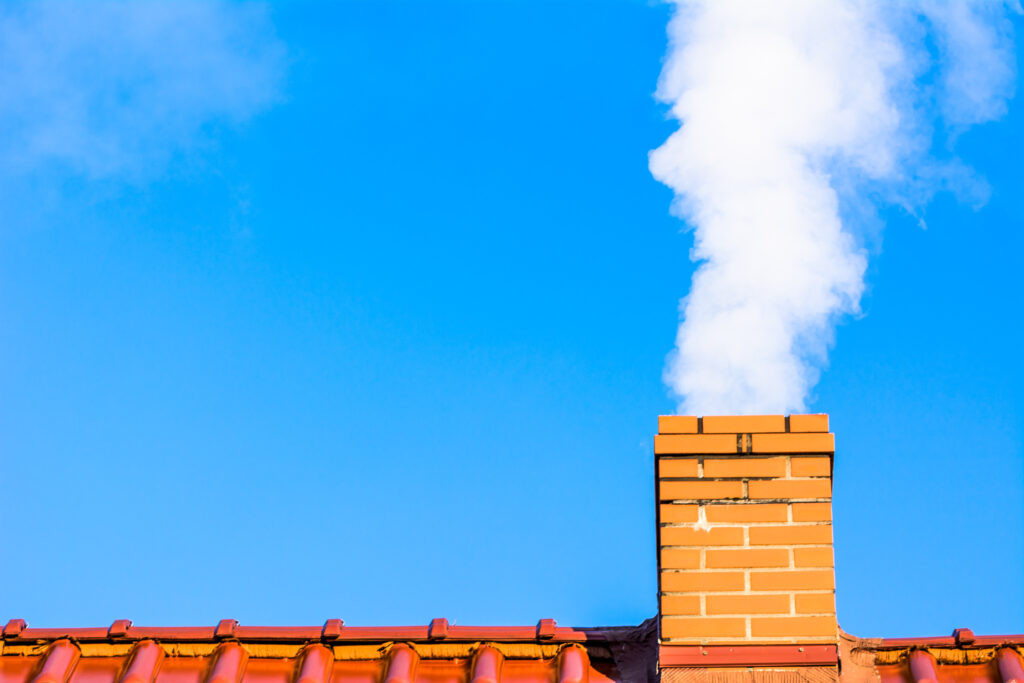
Chimney ventilation relies on natural draft—the upward movement of hot air. Here's how it works:
Hot air rises: Combustion creates hot gases that are lighter than the cooler air outside the chimney
Pressure difference: This temperature difference creates lower pressure at the top of the chimney compared to the bottom
Continuous flow: As hot air exits the top, fresh air is drawn in at the bottom to replace it, creating continuous airflow
Faster burn: The incoming fresh air supplies oxygen to the fire, allowing it to burn hotter and more efficiently
The taller the chimney and the greater the temperature difference, the stronger the draft. This is why chimney height and construction are critical to proper function.
What Affects Draft Strength
Several factors influence how well smoke vents:
Height: Taller chimneys generally create stronger draft
Temperature: Greater temperature difference between inside and outside improves draft
Diameter: Properly sized flue diameter for the appliance
Obstructions: Blockages from creosote, debris, or animal nests restrict airflow
Outdoor conditions: Wind, barometric pressure, and surrounding structures affect performance
When any of these factors are compromised, chimney ventilation suffers, leading to smoke backing up into the home.
Essential Components of Chimney Construction
A properly built chimney consists of multiple components, each serving a specific safety or performance function.
1. Chimney Foundation
Like any vertical structure, chimneys need solid support. The foundation must be:
Separate from the house foundation (for masonry chimneys)
Built on stable, undisturbed soil
Designed to support the full weight of the chimney structure
Foundation failure can cause the entire chimney to lean, crack, or separate from the house.
2. Firebox
The firebox is where combustion occurs. In a fireplace, this is the interior chamber where you build the fire. It must be:
Constructed from heat-resistant materials (firebrick)
Properly sized for efficient burning
Sealed to prevent smoke leakage
3. Smoke Chamber
Located directly above the firebox, the smoke chamber transitions from the wide fireplace opening to the narrower flue. It should be:
Smoothly angled to prevent turbulence
Properly sealed to contain smoke
Built to withstand high heat
4. Flue
The flue is the interior passageway through which smoke travels. Modern chimney construction typically includes:
Clay tile liner: Traditional material that's heat-resistant and durable
Metal liner: Stainless steel option, often used for retrofits or specific appliances
Cast-in-place liner: Poured insulation/liner system for damaged chimneys
The flue liner protects the chimney structure from heat and corrosion while providing a smooth path for chimney ventilation.
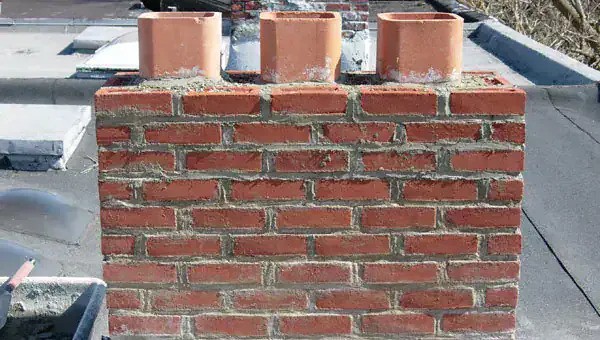
5. Chimney Stack
The visible exterior portion—usually brick, stone, or prefabricated metal. The stack must be:
Tall enough to create adequate draft
Built to withstand weather exposure
Properly sealed against water infiltration
In Boston's climate, the chimney stack endures freeze-thaw cycles, rain, snow, and temperature extremes that can cause deterioration over time.
6. Chimney Cap
The cap sits at the top of the chimney and serves multiple functions:
Prevents rain and snow from entering the flue
Keeps animals and birds from nesting inside
Reduces downdrafts in windy conditions
Protects the chimney crown from water damage
A missing or damaged cap is one of the most common causes of chimney problems.
7. Chimney Crown
The crown is the concrete or mortar top that seals the chimney structure around the flue opening. It:
Sheds water away from the flue
Protects the chimney masonry from moisture
Prevents deterioration of the chimney stack
Cracked or improperly built crowns allow water to enter the chimney structure, leading to freeze-thaw damage.
8. Flashing
Where the chimney meets the roof, metal flashing creates a waterproof seal. Proper flashing installation is critical because:
It's one of the most common leak points
Failed flashing allows water into walls and ceilings
It must accommodate thermal expansion and building movement
Different Types of Chimneys
Not all chimneys are built the same way. Understanding the type you have helps with maintenance and repair decisions.
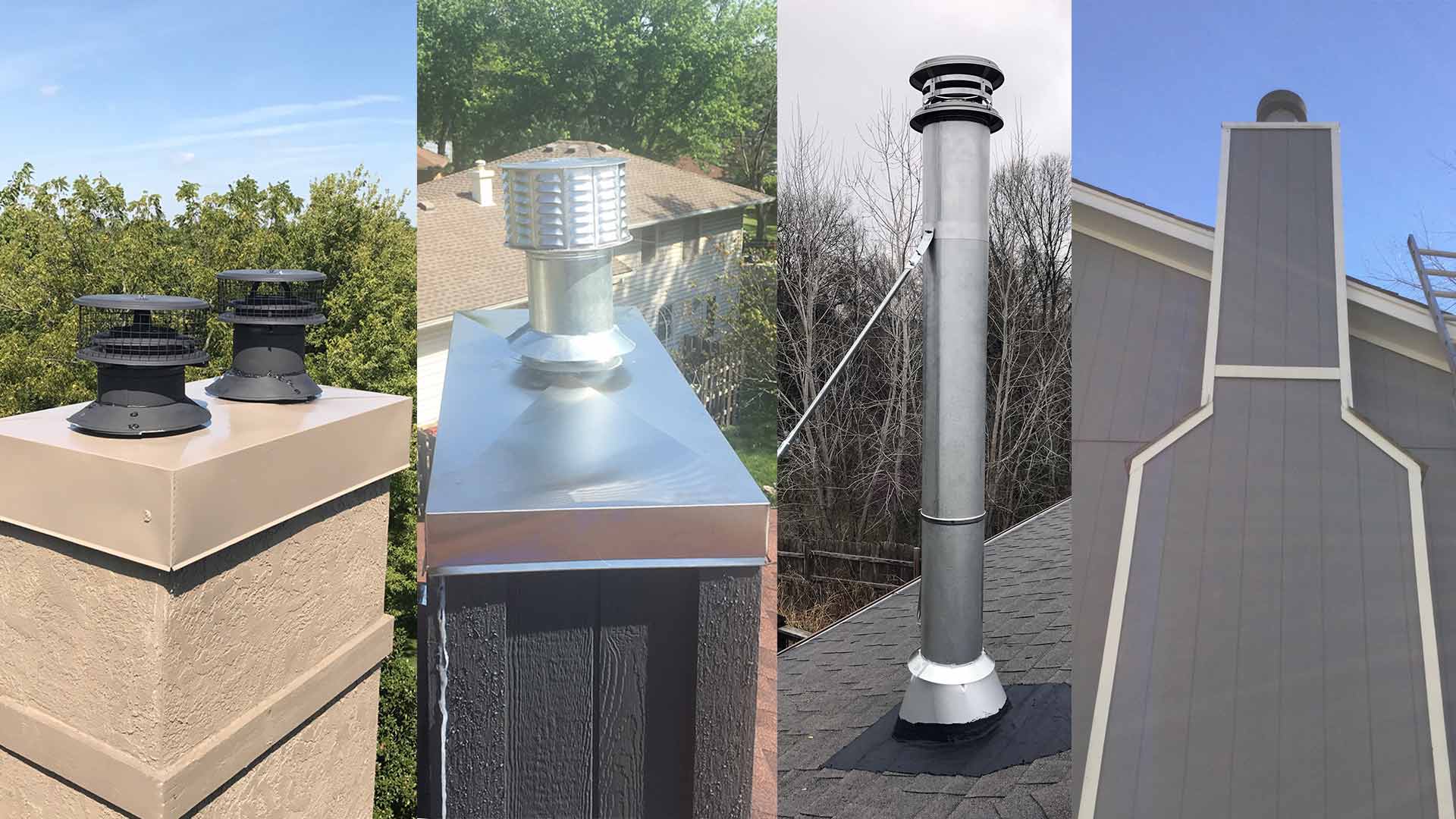
Masonry Chimneys
Traditional chimney construction using brick or stone with a clay tile liner.
Advantages:
Extremely durable when properly maintained
Can last 50-100+ years
Handles high heat well
Works with multiple appliances
Disadvantages:
Heavy, requiring substantial foundation
More expensive to build and repair
Susceptible to water damage if not maintained
Can develop cracks and mortar deterioration
Prefabricated Metal Chimneys
Factory-built metal chimneys designed for specific appliances.
Advantages:
Lower initial cost
Lighter weight, easier installation
Less maintenance required
Good for modern heating systems
Disadvantages:
Shorter lifespan (15-25 years typically)
Cannot be used with just any appliance
Must be replaced entirely if damaged
Limited to specific fuel types
Direct Vent Systems
Modern sealed combustion systems that vent horizontally through a wall.
Advantages:
No traditional chimney required
Very efficient
Lower installation cost
Minimal heat loss
Disadvantages:
Only works with specific appliances
Limited aesthetic options
Cannot be used for traditional fireplaces
Common Chimney Ventilation Problems
Even well-built chimneys can develop issues that affect safe smoke venting.
Poor Draft
Symptoms: Smoke entering the room, difficulty starting fires, weak flames
Causes:
Chimney too short
Flue blocked or restricted
Competing air pressure from exhaust fans
Cold chimney (in unused chimneys)
Downdrafts
Symptoms: Puffs of smoke backing up, especially on windy days
Causes:
Nearby trees or buildings taller than chimney
Missing or inadequate chimney cap
Improperly sized flue
Creosote Buildup
Symptoms: Reduced draft, chimney fires, tar-like deposits
Causes:
Burning unseasoned wood
Smoldering fires (not enough air)
Cool flue temperatures
Creosote is highly flammable. Heavy buildup creates serious fire risk and restricts chimney ventilation.
Water Damage
Symptoms: Staining, deteriorating mortar, musty odors, cracked crown
Causes:
Missing or damaged cap
Failed flashing
Cracked crown or masonry
Inadequate drainage around the foundation
Water is one of the biggest threats to chimney construction integrity, especially in climates with freeze-thaw cycles.
How Chimney Construction Has Evolved
Historical chimneys were often simple brick structures without liners, caps, or many safety features we now consider standard.
Historical Construction
No flue liners (smoke contacted brick directly)
Minimal insulation from combustible materials
Often shared flues between multiple fireplaces
Simple mortar caps, if any
Modern Standards
Today's chimney construction follows strict building codes:
Required flue liners for all installations
Specified clearances from combustible materials
Engineered for specific fuel types and appliances
Waterproofing and weather protection built in
Regular inspection and maintenance requirements
These improvements make modern chimneys far safer and more efficient than their historical counterparts.
Why Proper Chimney Construction Matters
A poorly built or maintained chimney creates serious risks:
Safety Hazards
Fire risk: Creosote buildup, cracked liners, or clearance violations can cause house fires
Carbon monoxide: Failed chimney ventilation allows deadly gases to enter living spaces
Structural collapse: Deteriorated chimneys can pull away from the house or collapse
Efficiency Issues
Heat loss: Drafty chimneys waste energy even when not in use
Poor combustion: Inadequate draft means incomplete burning and wasted fuel
Moisture problems: Water infiltration damages not just the chimney but surrounding structures
Maintenance Requirements
Understanding the structure helps you maintain it properly.
Annual Inspections
Have your chimney professionally inspected at least once per year, preferably before heating season. Inspectors check:
Flue condition and blockages
Creosote buildup levels
Structural integrity
Cap and crown condition
Flashing and weatherproofing
Regular Cleaning
Chimneys should be cleaned when creosote buildup reaches 1/8 inch thickness, typically:
Once per year for regular use
More frequently for heavy wood burning
Before first use if the chimney has been idle
Repairs When Needed
Address problems promptly:
Repoint deteriorating mortar joints
Replace damaged caps or crowns
Repair or replace flashing
Reline damaged flues
Small repairs prevent expensive replacements and maintain safe chimney ventilation.
When to Call a Professional
While homeowners can perform basic maintenance like keeping the cap clear, professional chimney services are necessary for:
Annual inspections and cleaning
Diagnosing draft or ventilation problems
Structural repairs to brick or masonry
Liner installation or replacement
Crown or cap repairs
Flashing work
Any smoke or carbon monoxide issues
Working on chimneys involves height, specialized tools, and technical knowledge. Professional contractors have the training and equipment to work safely and correctly.
Questions to Ask About Your Chimney
If you're unsure about your chimney's condition or setup:
When was it last professionally inspected?
What type of chimney do I have (masonry, prefab, etc.)?
Is the flue properly sized for my appliance?
Does it have a liner, and what condition is it in?
Are the cap and crown in good condition?
Has the flashing ever been replaced or repaired?
Am I experiencing any draft issues or smoke problems?
These questions help identify whether maintenance or repairs are needed.
Final Thoughts
So, what is a chimney? It's far more than a decorative stack of bricks. It's a carefully engineered vertical structure consisting of multiple components—foundation, firebox, flue, liner, stack, crown, cap, and flashing—all working together to safely vent combustion byproducts from your home.
Proper chimney ventilation depends on physics (the draft effect), correct chimney construction following modern building codes, and regular maintenance to keep all components functioning properly.
Whether you have a traditional masonry chimney on a historic Boston home or a modern prefabricated system, understanding how it works helps you maintain it properly and recognize when professional help is needed.
A well-maintained chimney provides decades of safe, efficient service. Neglected chimneys create safety hazards, efficiency problems, and expensive repairs. Regular inspections, prompt repairs, and proper use ensure your chimney continues doing its job—safely venting smoke while keeping your home warm and comfortable.