Choosing the Right Stone Masonry Services in Boston: A Complete Guide
Stone masonry is one of the most durable and visually striking investments you can make in a Boston property. Done right, it lasts generations. Done wrong, it deteriorates fast and costs significantly more to fix than it would have to get right the first time.
Whether you need a retaining wall, stone steps, a foundation repair, or an exterior restoration, choosing the right stone masonry services in Boston makes all the difference. This guide walks you through everything you need to know before hiring.
What Stone Masonry Services in Boston Typically Cover
Stone masonry is broader than most people expect. Before reaching out to contractors, it helps to know which service category your project falls under.
Structural Stone Work
This includes foundation repair and stabilization, load-bearing stone walls, and structural restoration on older buildings. Structural work requires experienced assessment before and during the project—incorrect repairs here affect the entire building.
Decorative and Functional Stonework
Stone steps, retaining walls, walkways, patios, and garden walls fall into this category. These projects combine structural performance with aesthetics. Material selection, drainage planning, and base preparation are critical to long-term performance.
Restoration and Repair
Boston has no shortage of older stone structures needing care. Repointing, crack repair, water damage restoration, and surface cleaning all fall under this service area. Restoration work demands careful material matching particularly on historic properties.
Why Boston Properties Require Specialist Knowledge
Stone masonry in Boston isn't the same as in other cities. Several local factors make specialist knowledge essential.
Freeze-Thaw Climate
Boston averages over 30 freeze-thaw cycles per winter. Water that penetrates stone or mortar joints expands when it freezes, widening cracks and loosening stones. Proper drainage and mortar selection are critical in this climate.
Historic Building Stock
A large portion of Boston's residential and commercial buildings are over 80 years old. Many use stone types and construction techniques no longer common. Matching original materials and respecting historic construction methods requires experience most general contractors don't have.
Local Code and Permitting
Certain Boston neighborhoods—particularly Beacon Hill, Back Bay, and the South End,fall under historic district guidelines. Some stone masonry projects require permits and materials approved by the Boston Landmarks Commission.
How to Choose a Masonry Contractor Boston
Picking the right contractor is the single most important decision in any stone masonry project. Here's how to approach it properly.
Start with Relevant Experience
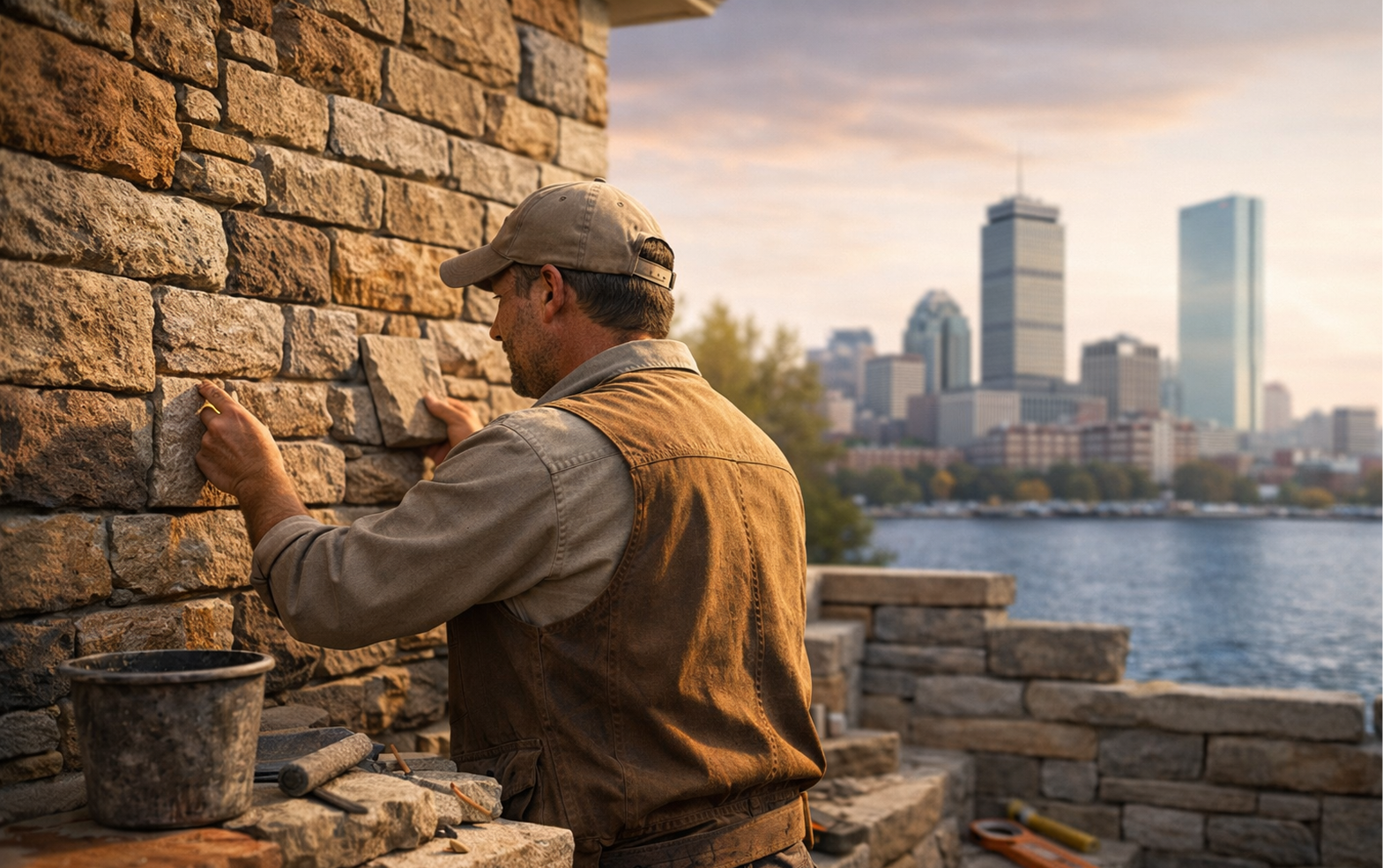
Not all masonry contractors work with stone. Brick and stone are different materials that require different skills, tools, and approaches. Ask directly:
How many stone masonry projects have you completed in Boston?
Do you have experience with [your specific project type]?
Can you provide references from similar projects?
A contractor with strong brick credentials but limited stone experience is not the right fit for a complex stone restoration.
Review Past Work
Ask for a portfolio of completed stone masonry projects—not just photos of the work in progress, but finished results over time. If possible, visit a reference project in person. Stone masonry that looks good immediately after completion but fails in 2-3 years is a sign of poor base preparation or incorrect material selection.
Evaluate the Estimate Process
How a contractor approaches the estimate tells you a lot. A thorough contractor will:
Physically inspect the site before quoting
Ask questions about how the space is used and any drainage or structural concerns
Provide an itemized written estimate
Explain assumptions and potential additional costs
A contractor who quotes quickly over the phone without visiting the site is guessing and you'll likely pay for those guesses later.
Verify Credentials
At minimum, confirm the contractor is:
Licensed for masonry work in Massachusetts
Fully insured with general liability and workers' compensation
Familiar with Boston permitting requirements if applicable
Ask for documentation, not just verbal confirmation.
Ask About Materials
Stone selection, mortar composition, and base preparation vary significantly by project type. A knowledgeable contractor should be able to explain:
What stone type is appropriate for your project and why
What mortar mix will be used and how it's matched to the stone
How the base will be prepared for stability and drainage
Whether any specialty or custom sourcing is needed
Vague answers here are a red flag.
Watch for Red Flags
Unusually low bids with no clear explanation
No written contract or vague scope of work
Pressure to start immediately or pay large deposits upfront
Unwillingness to provide references
No discussion of drainage or base preparation
Contractor hasn't visited the site before quoting
Best Stone Masonry Company Boston: What Sets the Best Apart
"Best" in stone masonry isn't just about price or speed. The best companies share a consistent set of qualities that show up in every project.
Attention to Detail in Material Matching
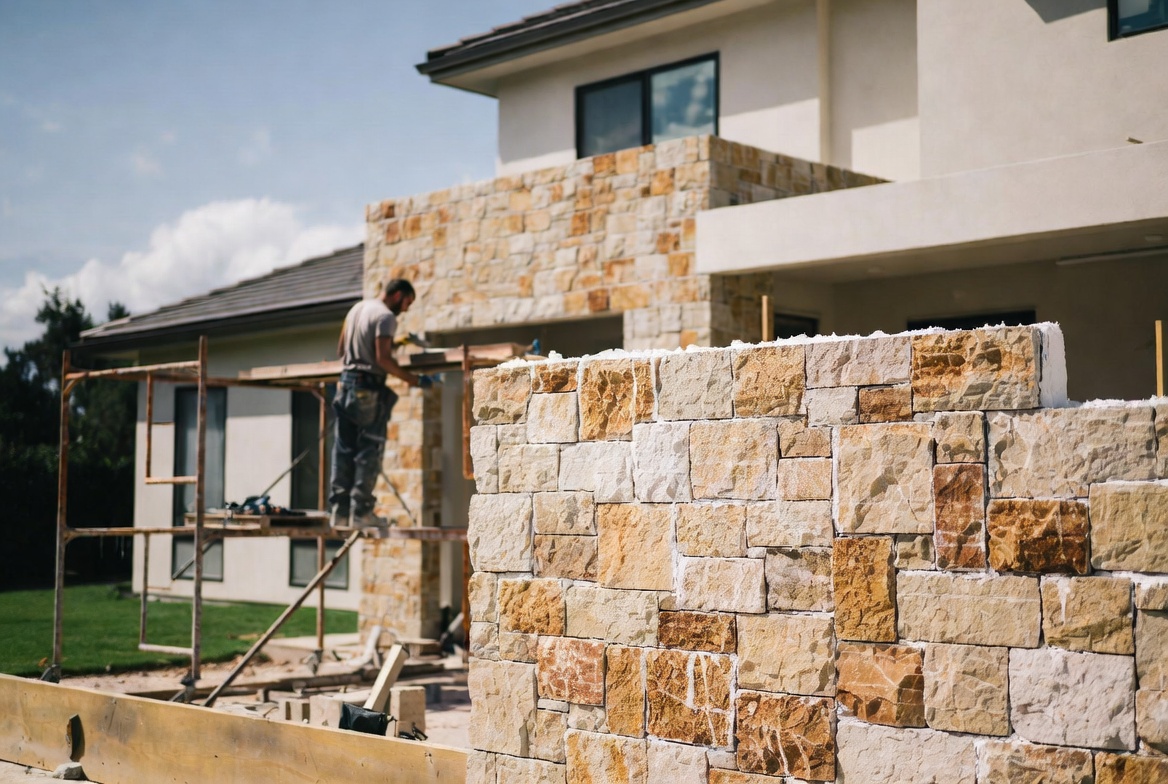
Top-tier masonry companies in Boston understand that stone isn't generic. The best contractors take time to:
Source stone that matches existing materials in color, texture, and origin
Test mortar composition before committing to a mix
Account for how materials will age and weather over time
This level of care is what separates a repair that blends seamlessly from one that sticks out for years.
Honest Communication
The best contractors communicate clearly from day one. They explain what they find during the project, flag unexpected issues before acting on them, and provide documentation of additional costs before proceeding. You're never surprised by an invoice.
Long-Term Thinking
A good stone masonry company designs for durability, not just appearance. That means:
Proper drainage built into every project
Base preparation that prevents settling and movement
Mortar selection that protects the stone rather than trapping moisture
Crown and capping details that shed water effectively
Local Knowledge
The best stone masonry services in Boston come from companies that understand the city's climate, building stock, and regulatory environment. They've worked on Boston's specific stone types, navigated the city's permitting process, and understand what makes masonry last through New England winters.
Transparent Pricing
Top companies provide itemized estimates that distinguish material costs, labor, disposal, permits, and contingencies. They explain the reasoning behind their pricing rather than presenting a number and hoping you accept it.
Questions to Ask Before Hiring
Before signing any contract for stone masonry services in Boston, get answers to these:
About experience:
How long have you been doing stone masonry work in Boston?
What's the most complex stone project you've completed recently?
Do you have experience with historic stone buildings?
About the project:
What stone type do you recommend and why?
How will drainage be handled?
What does base preparation involve for this project?
What could cause the scope to expand?
About the process:
What's the realistic timeline?
Who will be on-site doing the work?
How do you handle unexpected issues mid-project?
What does your warranty or guarantee cover?
About credentials:
Are you licensed and insured?
Do you handle permitting, or is that my responsibility?
Can I speak with a reference from a similar project?
Residential vs. Commercial Stone Masonry
The right contractor also depends on whether your project is residential or commercial.
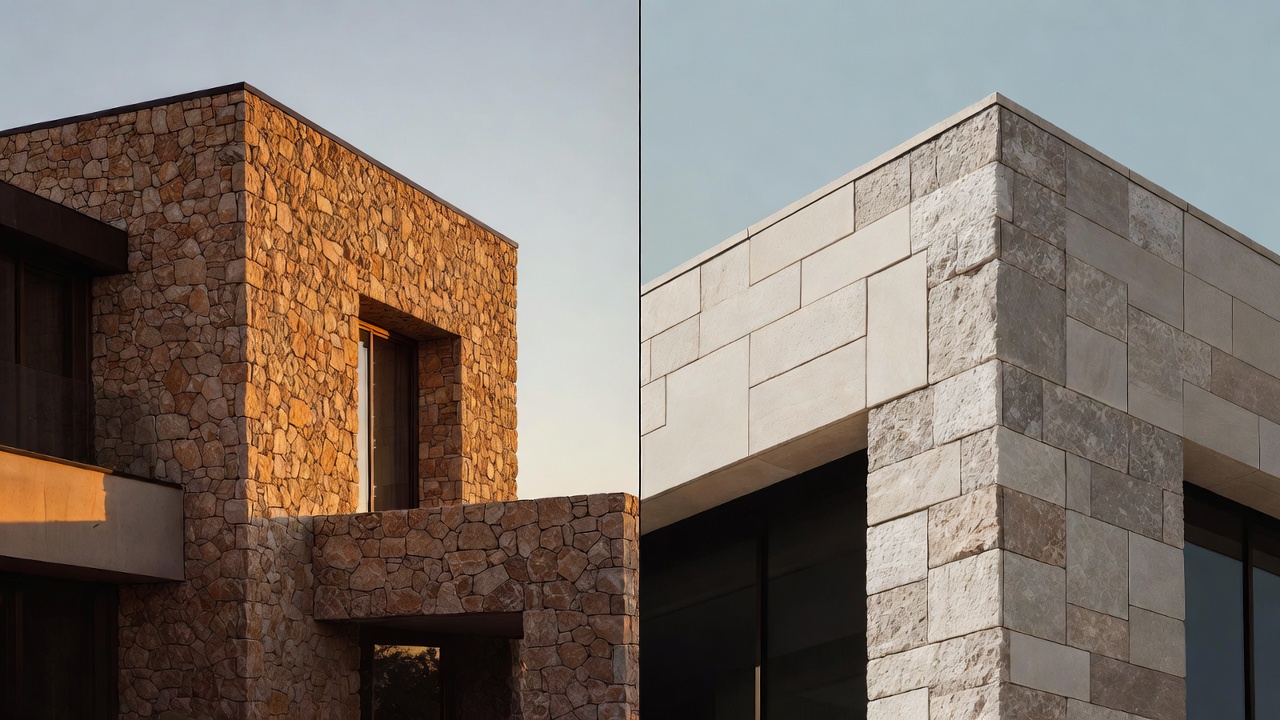
Residential projects tend to focus on aesthetics, property value, and integration with existing architecture. Timeline flexibility is usually greater, and the scale is more manageable.
Commercial projects involve larger scope, tighter timelines, code compliance requirements, and often coordination with other trades. Not all stone masonry contractors are equipped for commercial scale—verify experience specifically with commercial work if that's your situation.
What to Expect From the Project Process
Understanding the typical process helps you evaluate whether a contractor is being thorough or cutting corners.
1. On-site inspection and assessment: Evaluating existing conditions, drainage, structural concerns
2. Scope development: Defining exactly what work will be done and in what sequence
3. Material selection and sourcing: Choosing stone type, mortar mix, and ordering materials
4. Site preparation: Excavation, base preparation, drainage installation where needed
5. Stone installation or repair: The visible work—laying, pointing, or restoring stone
6. Final inspection and cleanup: Walking through completed work, addressing any punch-list items
Skipping or rushing any of these steps—especially site preparation—is often the cause of stone masonry failures within a few years of completion.
Final Thoughts
Choosing the right stone masonry services in Boston isn't complicated once you know what to look for. Experience with stone specifically, honest communication, strong local knowledge, and a thorough process separate contractors who deliver lasting results from those who don't.
Take time to vet contractors properly. Review past work, ask detailed questions, and get itemized written estimates. The difference in outcome between a rushed decision and a careful one is often measured in decades.
Stone masonry done well is almost permanent. Stone masonry done poorly is a recurring expense. The choice you make at the hiring stage determines which one you're living with.