Why Old Chimneys Struggle With Modern Heating Systems
When homeowners upgrade to high-efficiency furnaces or install gas inserts, they rarely consider whether their old chimney can handle the change. The assumption is simple: a chimney is a chimney, right?
Unfortunately, an old chimney built for wood-burning fireplaces operates very differently from what modern heating systems require. The mismatch creates condensation, draft problems, and accelerated deterioration that can make an otherwise sound chimney fail within just a few years.
This guide explains why compatibility matters, what goes wrong, and when old chimney repair or modification becomes necessary.
How Old Chimneys Were Built
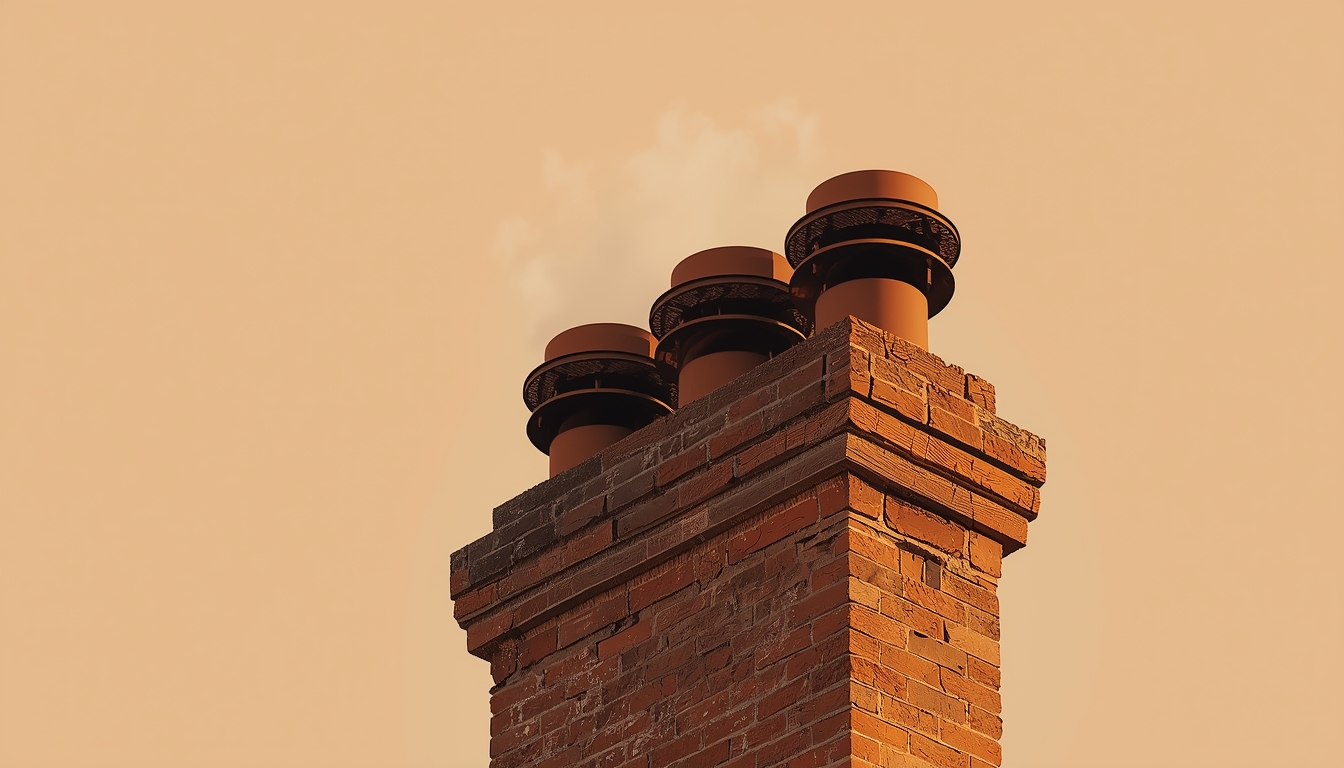
Historic chimneys were designed for wood-burning fireplaces that produced:
Very hot exhaust gases (400-700°F)
Large volumes of smoke
Strong natural draft from heat
Minimal moisture in exhaust
The intense heat kept flue walls warm and dry, preventing condensation. An old chimney typically features oversized flues (8x12 inches or larger) because wood fires produce massive smoke volumes.
Many have clay tile liners that work well for high heat but crack easily when exposed to moisture and freeze-thaw cycles.
How Modern Heating Is Different
Today's high-efficiency appliances operate under completely different principles:
Lower exhaust temperatures: Often below 300°F, sometimes as low as 100-150°F for condensing units
Moisture-rich exhaust: Gas combustion creates significant water vapor
Smaller venting needs: Require 4-6 inch flues precisely matched to appliance output
Less natural draft: Cool exhaust doesn't create strong upward pull
This lower temperature is the root of most old chimney compatibility problems.
What Goes Wrong
Installing modern heating with an old chimney creates several serious issues:
1. Oversized Flue Causes Condensation
When cool exhaust enters a large old flue:
Exhaust spreads out and cools rapidly
Moisture condenses on cool flue walls immediately
Acidic water runs down and soaks into masonry
A flue that worked for 50 years with wood can fail in 2-3 years with an improperly matched modern appliance.
2. Poor Draft and Safety Issues
Cool, low-volume exhaust in an oversized old chimney creates:
Weak draft that doesn't pull exhaust up effectively
Backdrafting that pushes exhaust into living spaces
Carbon monoxide risks
Furnace performance problems
3. Material Breakdown
Old chimney materials weren't designed for acidic condensation:
Unlined brick absorbs moisture and deteriorates
Clay tile cracks when condensation freezes
Mortar dissolves from acid exposure
Metal components corrode rapidly
Damage occurs inside where you can't see it until it's severe.
4. Code Violations
Current codes require properly sized liners for specific appliances. An old chimney used "as-is" with modern equipment often violates code and may void equipment warranties.
Common Problem Scenarios
Wood Fireplace to Gas Insert
Problem: Gas exhaust cools too quickly in oversized flue, creating heavy condensation
Solution: Install properly sized gas-rated chimney liner
Old Furnace to High-Efficiency Model
Problem: Condensing furnace produces very cool, moist exhaust that destroys masonry chimney
Solution: Often requires abandoning chimney and using PVC or approved condensate-resistant venting
Installing EPA Wood Stove
Problem: Efficient modern stoves produce less heat than old fireplaces, creating poor draft in oversized flue
Solution: Stainless steel liner sized for the stove
Warning Signs Your Old Chimney Is Struggling
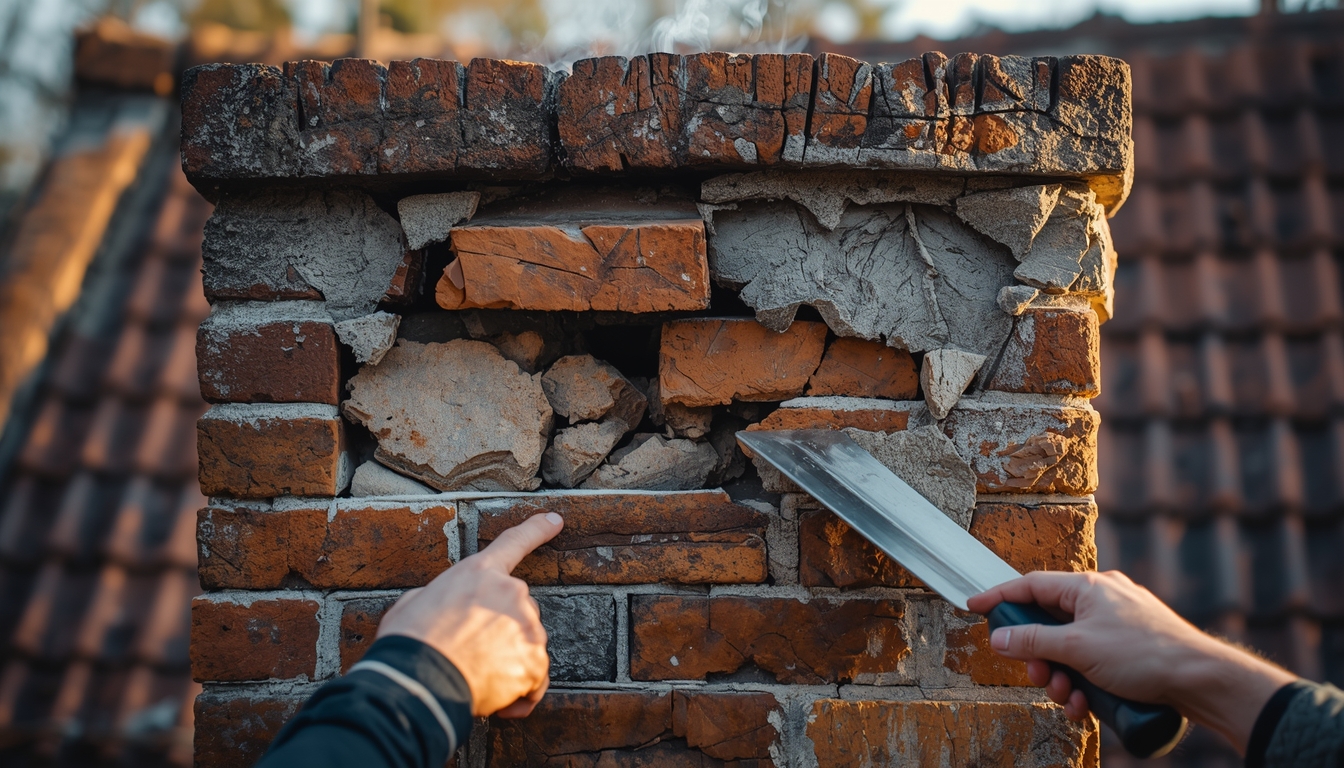
Visible signs:
White staining (efflorescence) on exterior brick
Deteriorating mortar joints
Rust on damper or firebox
Musty odors even when not in use
Cracked or spalling bricks
Performance issues:
Poor draft or smoke backing up
Condensation inside firebox
Furnace cycling problems
Carbon monoxide detector alerts (extremely serious)
If you notice these after upgrading heating equipment, your old chimney needs immediate attention.
Solutions That Work
Install Appropriate Liner
The most effective solution for most situations:
Types:
Stainless steel flexible liner (navigates bends)
Rigid stainless liner (straight runs)
Aluminum liner (certain gas appliances)
Cast-in-place insulated liner
The liner must be sized correctly for the appliance, listed for the fuel type, and often insulated. This solves the oversized flue problem and provides moisture-resistant surface.
Direct Vent Systems
For high-efficiency appliances, sometimes better to bypass the old chimney entirely:
Vent horizontally through wall
No compatibility issues with old structure
More efficient operation
Lower installation cost
The old chimney stays in place but needs capping to prevent water damage.
Comprehensive Old Chimney Repair First
If the structure has existing damage:
Repoint mortar and replace damaged bricks
Repair crown and improve drainage/waterproofing
Address structural issues
Then install appropriate liner
When Replacement Makes More Sense
Consider full chimney replacement when:
Chimney leaning or separated from house
Extensive deterioration throughout structure
Foundation problems affecting stability
Repair costs approaching 60-70% of replacement
Safety concerns that can't be adequately addressed
Get Professional Assessment
Before connecting any modern appliance to an old chimney:
Level 2 Inspection recommended: Includes video camera examination of flue interior
Key questions for contractor:
Is this chimney safe for my planned heating system?
What modifications are required for code compliance?
What's the existing liner condition?
Are there signs of water damage?
What's the cost of modification vs. alternative venting?
Don't Assume "Good Enough"
The biggest mistake is assuming an old chimney will work fine with modern heating just because it's been there for decades.
Dangerous assumptions:
"It's worked fine for years" → Yes, with different exhaust
"It's just a small gas insert" → Temperature matters more than size
"The HVAC installer said it was okay" → Many aren't trained in masonry requirements
"We'll try it and see" → By then, damage may be extensive
The Right Approach
1. Get professional chimney inspection BEFORE installing new equipment
2. Discuss compatibility with both HVAC contractor and chimney professional
3. Budget for proper liner or venting modification
4. Follow manufacturer requirements and building codes
5. Never connect modern appliances without proper modification
Final Thoughts
An old chimney represents decades of reliable service, but it wasn't designed for modern heating equipment. The combination of oversized flues, cool exhaust, and moisture-rich combustion creates conditions traditional chimneys can't handle safely.
Understanding why compatibility matters isn't about criticizing historic construction—those chimneys were perfectly designed for their intended use. It's recognizing that heating technology has changed, and venting systems must adapt.
Whether through old chimney repair, proper liner installation, or alternative venting, making old and new work together safely is achievable. It requires professional assessment and the right modifications for your specific situation.
Don't let an avoidable compatibility issue compromise your home's safety or destroy a historic structure that could serve your family for generations with proper upgrades.