
Cracked Chimney Flue: Fire Risk or Normal Wear?
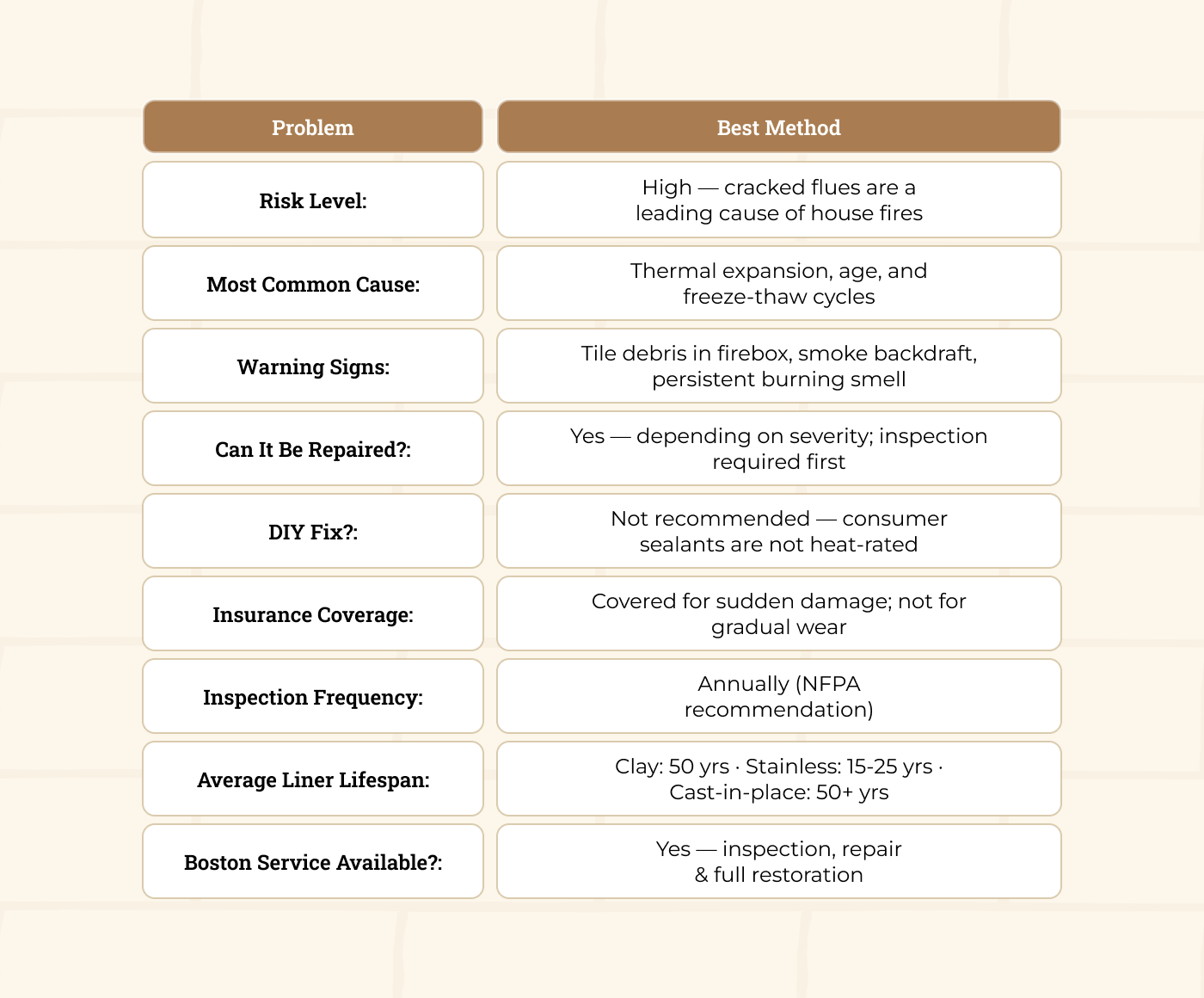
You noticed a crack in your chimney flue now what? While it might look like minor aging, that thin line could be a silent warning for your home’s safety, potentially leading to dangerous gas leaks or structural fires. Understanding the difference between cosmetic wear and a serious hazard is the key to protecting your property and avoiding high repair costs. This guide focuses on practical, real-world tips to help you identify the causes, assess the true level of danger, and decide on the best professional steps to take next.
Cracked Chimney Flue: Quick Overview
What Is a Chimney Flue and Why Does It Matter?
The chimney flue is the interior channel that runs through your chimney, directing smoke, combustion gases, and heat safely out of your home. It's typically lined with clay tiles, stainless steel, or cast-in-place cement and that lining is the only barrier between 1,000°F exhaust gases and the combustible materials inside your walls.
When the flue is intact, your fireplace works safely and efficiently. When it's cracked, that barrier breaks down and the consequences can range from reduced efficiency to a full-scale house fire.
What Causes a Cracked Chimney Flue?
Thermal Expansion and Contraction
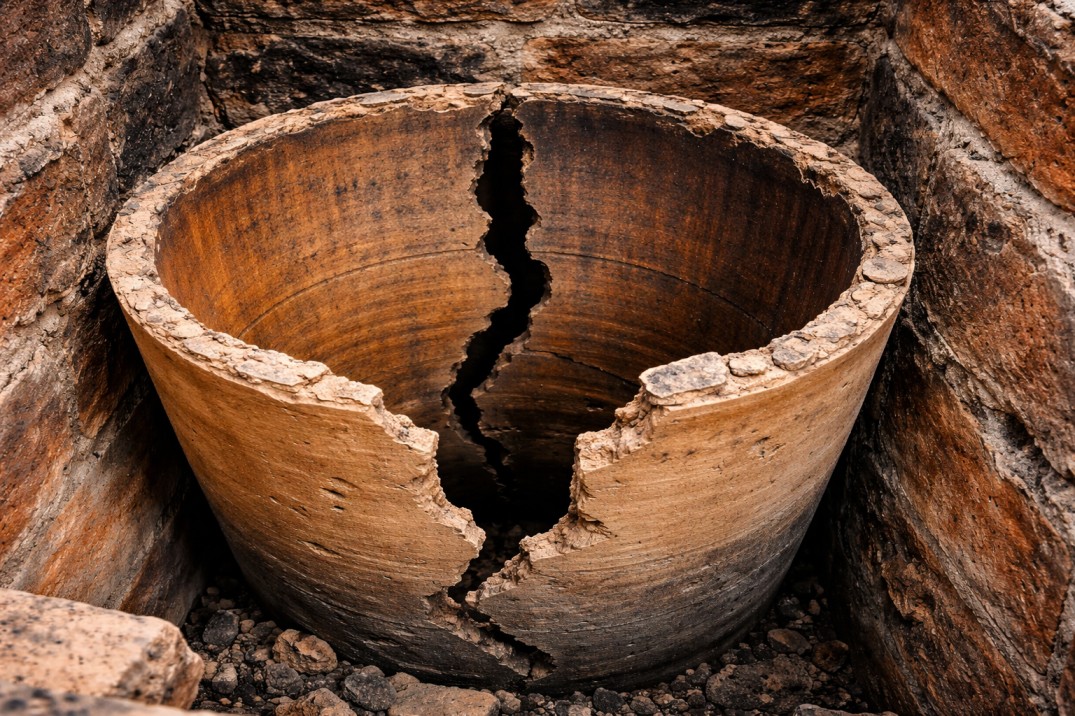
Every time you light a fire, your flue heats up rapidly then cools down just as fast. Over years of use, this repeated expansion and contraction puts enormous stress on clay tile liners, eventually causing them to crack or shift at the mortar joints.
Age and Normal Wear
Clay flue liners have an average lifespan of 50 years under normal conditions. As they age, tiles become brittle, mortar joints deteriorate, and even routine use can trigger hairline cracks. This is one of the most common reasons we find damage during inspections not neglect, just time.
Water Damage and Freeze-Thaw Cycles
Water is a chimney's worst enemy. When moisture seeps into small cracks and then freezes, it expands widening existing cracks and creating new ones. In climates like Boston's, where freeze-thaw cycles are frequent, this accelerates liner deterioration significantly.
Chimney Fires
Even a small, fast-burning chimney fire many of which go unnoticed can cause the flue liner to crack or shatter entirely. The intense, sudden heat (chimney fires can reach over 2,000°F) overwhelms the liner material in seconds. If you've ever heard a loud rumbling or popping sound from your chimney, that's a warning sign worth taking seriously.
How Dangerous Is a Cracked Chimney Flue?
Can a Cracked Chimney Flue Cause a Fire?
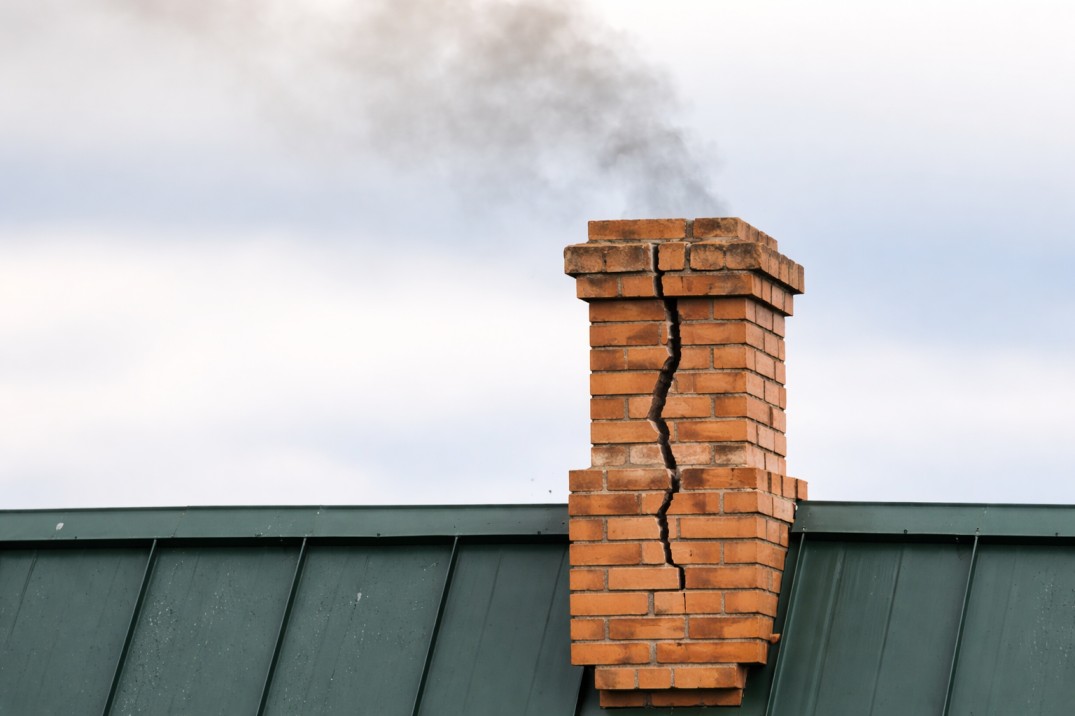
Yes and this is the most important thing to understand. A cracked flue allows heat, sparks, and combustion gases to escape through gaps into the surrounding structure. Wood framing, insulation, and other combustible materials near the chimney can ignite without any visible warning. This is why the National Fire Protection Association (NFPA) classifies a damaged flue liner as a serious fire hazard.
What Happens If a Chimney Crown Is Cracked?
The chimney crown is the concrete cap that seals the top of your chimney. When it cracks, water enters the flue system directly speeding up liner deterioration, promoting mold growth, and causing spalling brickwork. A cracked crown is rarely just cosmetic; it's usually the beginning of a deeper problem.
Can I Use My Fireplace If It Has a Crack?
We strongly advise against using your fireplace until a certified professional assesses the size and severity of the crack. What looks like a minor hairline fracture on the surface can be a serious internal safety risk. To ensure your home is safe, we recommend booking a free chimney inspection it's the only way to confirm the structural integrity of your flue with a specialized camera.
How to Know If Your Chimney Liner Is Cracked
Visual Warning Signs
Some signs are visible from inside your home. Look for:
White staining (efflorescence) on the exterior chimney brickwork
Crumbling mortar or brick near the firebox
Pieces of clay tile debris at the bottom of your firebox
A damaged or visibly cracked chimney crown
Smell, Sound, and Smoke Clues
Smoke entering the room instead of drafting up the chimney
A persistent smoky or burning smell even when the fireplace isn't in use
A loud rumbling or roaring sound during a fire a potential sign of a chimney fire
Professional Chimney Flue Inspection
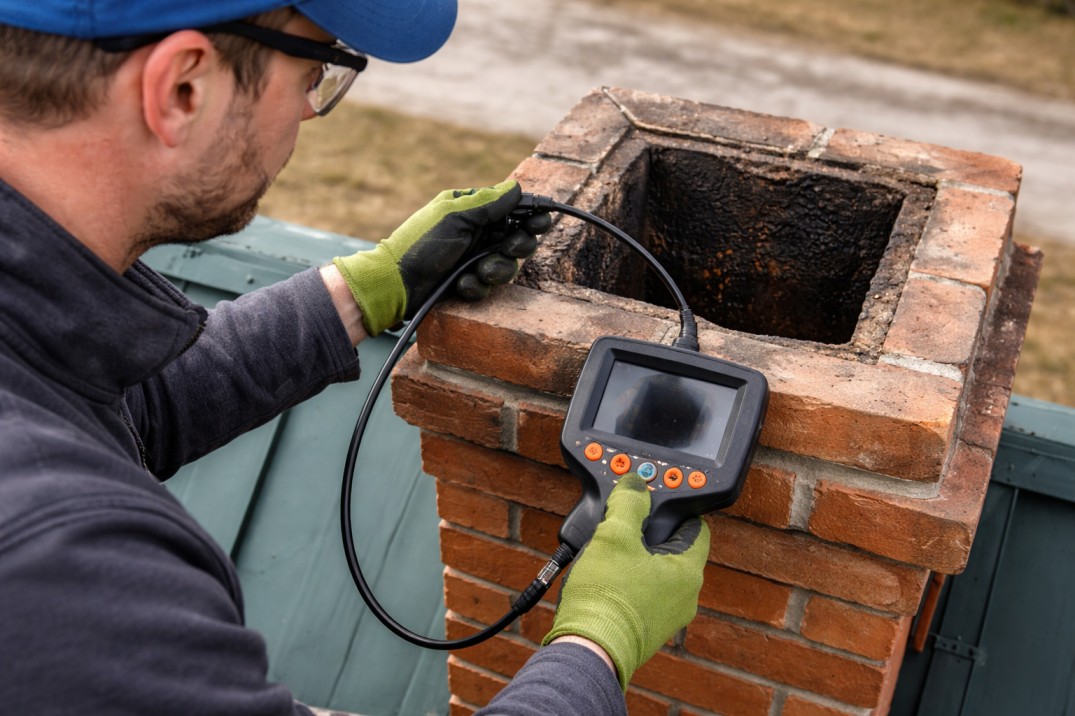
The most reliable way to detect a cracked flue is a Level 2 chimney inspection using a specialized camera system. Many cracks especially hairline fractures in the middle sections of the flue are completely invisible to the naked eye.
Here's what we look for during inspection:
Hairline or structural cracks in clay tiles these are only detectable via camera. A tile can look intact from below and be severely fractured two feet up.
Missing or crumbling mortar joints mortar holds the tile sections together. When it breaks down, hot gases can escape through the gaps between tiles.
"Puffy" or honeycomb-like creosote flakes this specific texture of creosote buildup, known as glazed or third-degree creosote, is a direct indicator that the flue has experienced extreme heat and likely a chimney fire at some point.
If we find any of these during inspection, we'll show you the camera footage directly and explain exactly what we're seeing before recommending any course of action.
Chimney Liner Repair vs. Replacement Which Do You Need?
The Honest Conversation Most Chimney Companies Skip
Here's something we hear often: "The last company just told me I needed a full replacement no explanation, no options."
We understand the frustration. The reality is that not every cracked chimney flue requires a full liner replacement. The right answer depends on the number of cracks, their location, the age of the liner, and the overall structural integrity of the system. That's exactly why we never make a repair recommendation before completing a thorough inspection.
Our process is simple:
We inspect first using camera technology to assess the full length of the flue
We show you what we found no guesswork, no pressure
We give you honest options repair where possible, replacement only when necessary
Can a Cracked Flue Be Repaired?
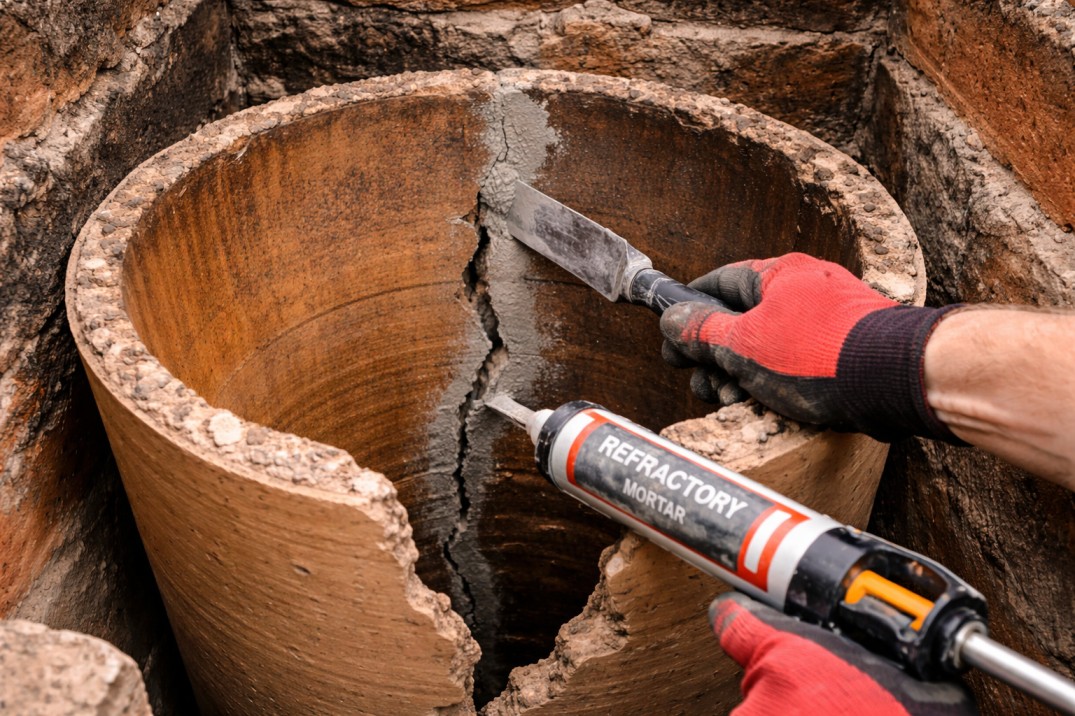
Yes in many cases. Minor cracks, isolated mortar joint failures, and small tile fractures can often be addressed with resurfacing compounds or HeatShield flue repair systems, which restore the liner's structural integrity without full replacement.
Does Flex Seal Work on Chimneys?
No. Flex Seal and similar consumer-grade sealants are not rated for the extreme temperatures inside a chimney flue. Using them creates a false sense of security while the underlying damage continues to worsen. Always use chimney-specific repair materials applied by a certified professional.
How to Fix a Cracked Chimney Flue
Depending on what the inspection reveals, repair options include:
Resurfacing / repointing for isolated mortar joint failure
HeatShield® or similar cast-in-place systems for moderate liner damage
Stainless steel liner installation for extensive cracking or full liner failure
When Full Chimney Liner Replacement Is the Safer Choice
If the liner is older than 40–50 years, has multiple structural cracks, or has suffered chimney fire damage, replacement is the more cost-effective and safer long-term solution. We'll always explain why and show you the evidence.
Does Homeowners Insurance Cover a Cracked Chimney?
What Most Policies Cover
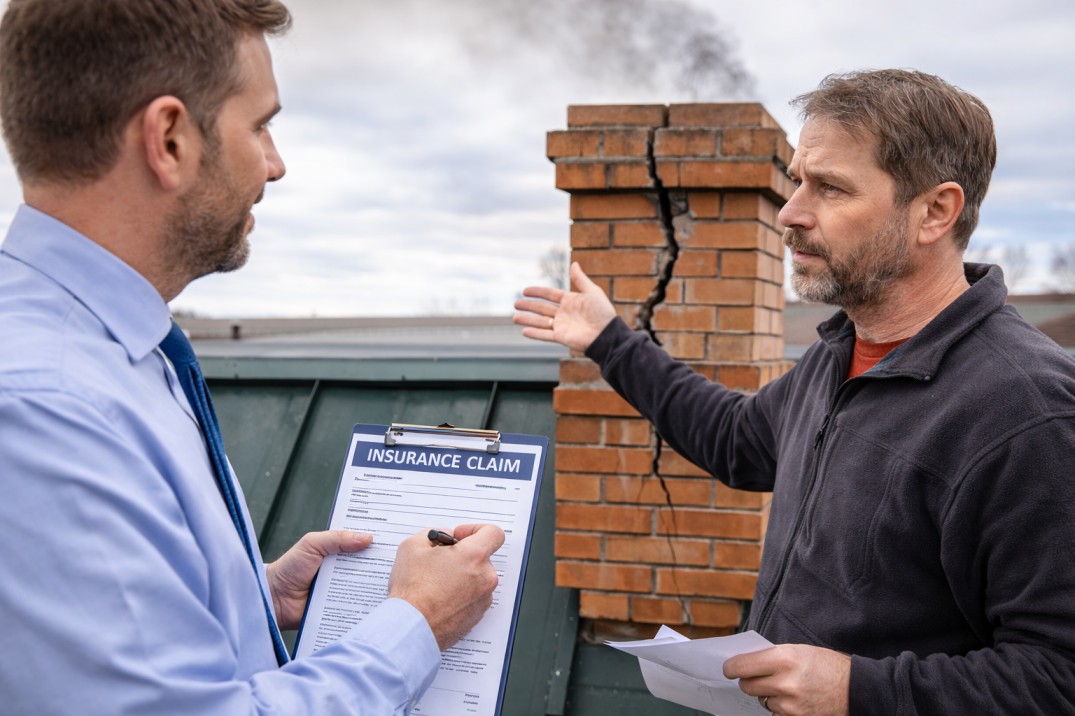
Homeowners insurance typically covers chimney damage caused by a sudden, accidental event such as a lightning strike, a chimney fire, or storm damage. In these cases, your cracked flue liner may be covered under your dwelling coverage.
Will Insurance Cover a Cracked Chimney Liner From Wear and Tear?
Generally, no. Gradual deterioration, age-related cracking, and maintenance-related damage are considered the homeowner's responsibility and are excluded from most standard policies. This is another reason regular chimney inspections matter catching problems early, before they escalate into costlier damage that may not be covered.
If you're filing a claim, a professional inspection report with camera documentation significantly strengthens your case with the insurance company.
How to Prevent Chimney Liner Failure
The 3-2-10 Rule for Chimneys
The 3-2-10 rule is a basic chimney height guideline: the chimney must extend at least 3 feet above the roof penetration point, be 2 feet higher than any part of the roof within 10 feet. Following this rule ensures proper draft and reduces the risk of downdrafts that can accelerate liner wear.
How Often Should a Chimney Flue Be Replaced?
Under normal use, a clay tile liner lasts approximately 50 years. Stainless steel liners typically last 15–25 years depending on the fuel type and maintenance schedule. However, damage from chimney fires, water intrusion, or aggressive creosote buildup can shorten that lifespan significantly.
What Is the Lifespan of a Flue?
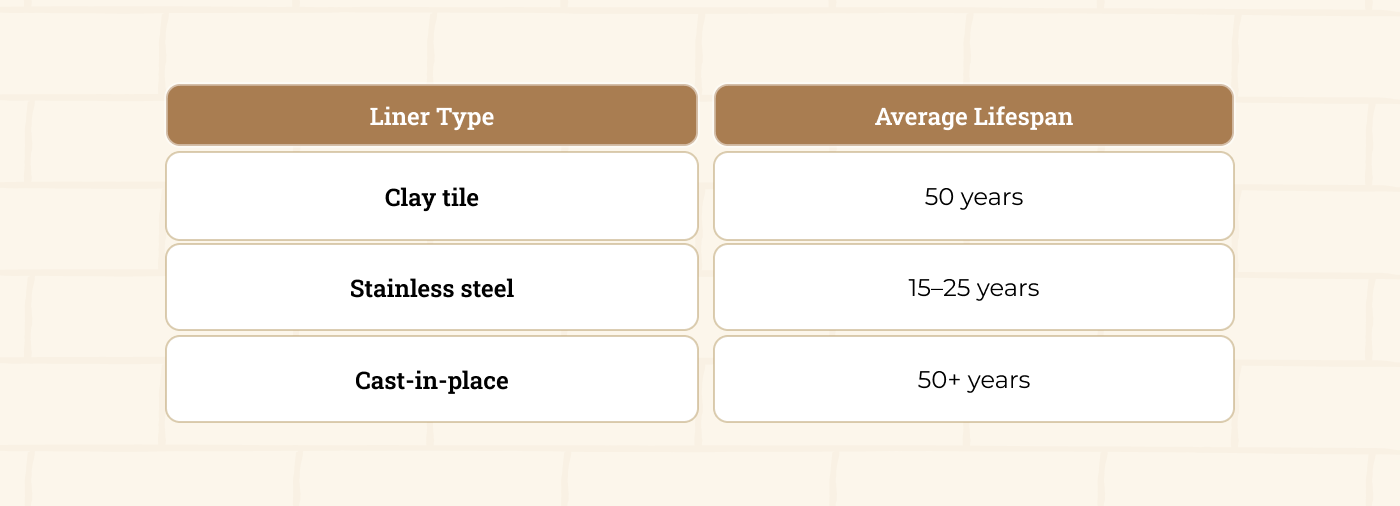
Regular annual inspections are the single most effective way to extend liner life and catch issues before they require costly repairs.
Professional Chimney Repair and Restoration Services in Boston
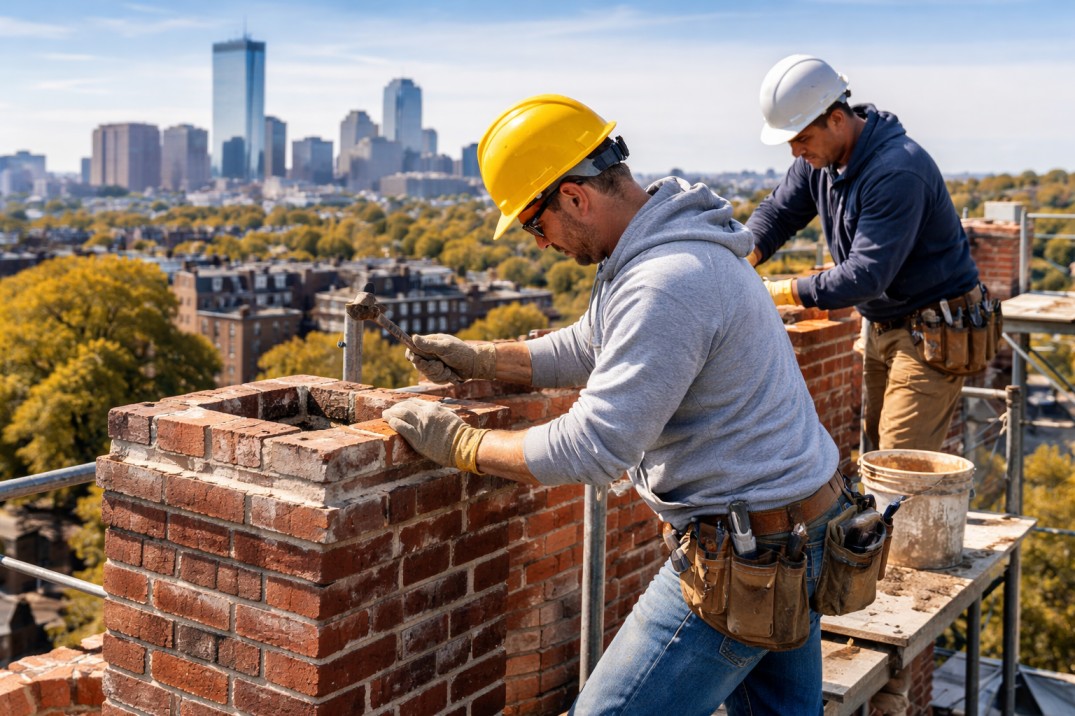
If you're in the Boston area and concerned about your chimney flue, our team provides full-service chimney inspections, flue repair, liner replacement, and chimney restoration. We serve homeowners across Greater Boston, including surrounding neighborhoods and suburbs.
What sets us apart:
We inspect before we recommend always
We show you the camera footage and explain our findings in plain language
We give you repair options when repair is genuinely possible
We never push unnecessary replacements
A cracked chimney flue is not something to put off. Schedule a chimney flue inspection today and get a clear, honest assessment of what your chimney actually needs.