12 Common Chimney Problems in Boston, MA
How Bad Is Your Chimney? Start Here
Most homeowners don't think about their chimney until something goes wrong smoke filling the living room, a water stain spreading across the ceiling, or a strange smell that won't go away. By that point, what started as a minor issue has often turned into a costly repair.
The good news: chimney problems rarely appear without warning. Your chimney gives you signals well before a serious failure occurs. The key is knowing what to look for.
Common Warning Signs Your Chimney Needs Repair
These are the signs we see most frequently when Boston homeowners call us and the ones you should never ignore:
Water stains on the walls or ceiling near the fireplace a direct indicator of flashing failure, a cracked crown, or a compromised flue liner
Strong, pungent odors or a persistent "campfire" smell even when the fireplace hasn't been used, this suggests creosote buildup or moisture mixing with combustion residue inside the flue
Cracked, crumbling, or missing mortar between bricks mortar deteriorates over time, especially through Boston winters, and once it fails, water infiltration accelerates rapidly
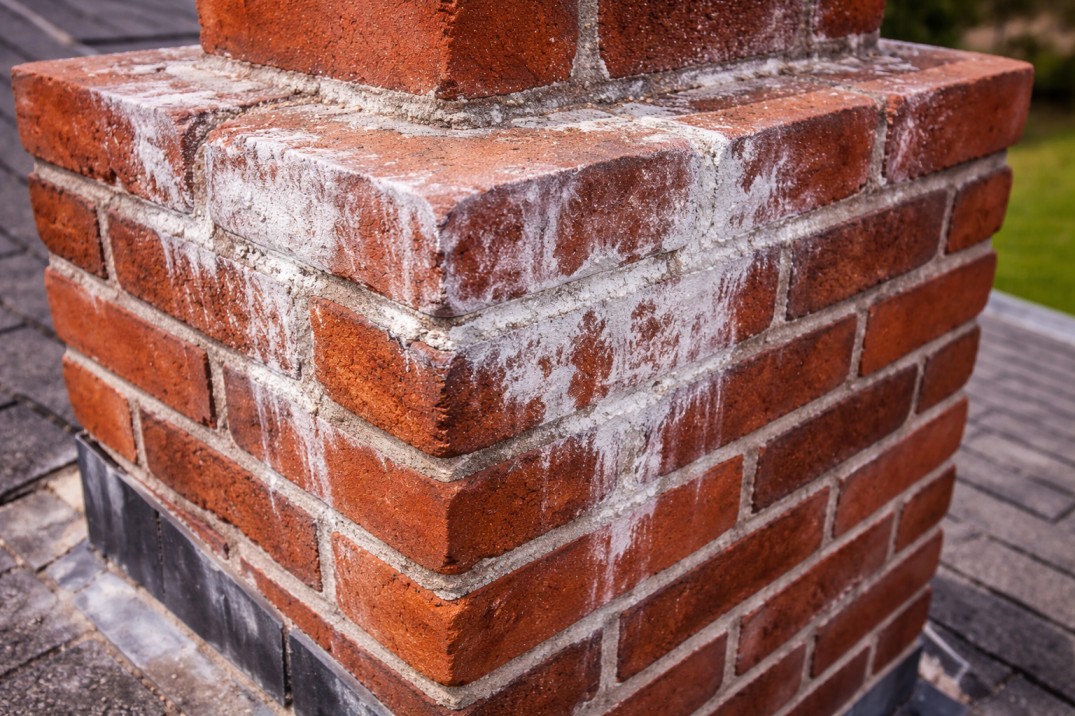
White staining (efflorescence) on exterior brick
this chalky residue is a sign that water is moving through your masonry and carrying mineral salts to the surface
Rust on the damper or firebox rust means moisture is getting in; if the metal components are corroding, the masonry likely is too
Drafting issues and smoke filling the room one of the most disruptive problems and one that has several possible causes, from blockages to pressure imbalances
What Does an Unsafe Chimney Look Like?
An unsafe chimney doesn't always look dramatic from the outside. A chimney can appear structurally sound from the street while harboring a severely cracked flue liner, dangerous creosote buildup, or compromised flashing none of which are visible without a proper inspection.
That said, visible red flags include: significant spalling (brick faces flaking off), a visibly cracked or collapsed chimney crown, mortar joints that are recessed more than ¼ inch, and any separation between the chimney structure and the house. When that separation or structural movement is left unaddressed, the risk isn't just leaks it's collapse. Our guide on how to prevent chimney collapse covers the warning signs and what to do about them.
How to Test If Your Chimney Is Working Properly
A basic draft test involves holding a lit match or incense stick near the firebox opening the smoke should draw upward into the flue immediately. If it lingers, drifts into the room, or reverses direction, you have a drafting problem.
For a thorough assessment, however, a visual test is not enough. The only reliable way to evaluate the condition of your flue liner, flashing, and internal masonry is a Level 2 camera inspection the standard we use for every chimney evaluation in Boston.
The 12 Most Common Chimney Problems in Boston
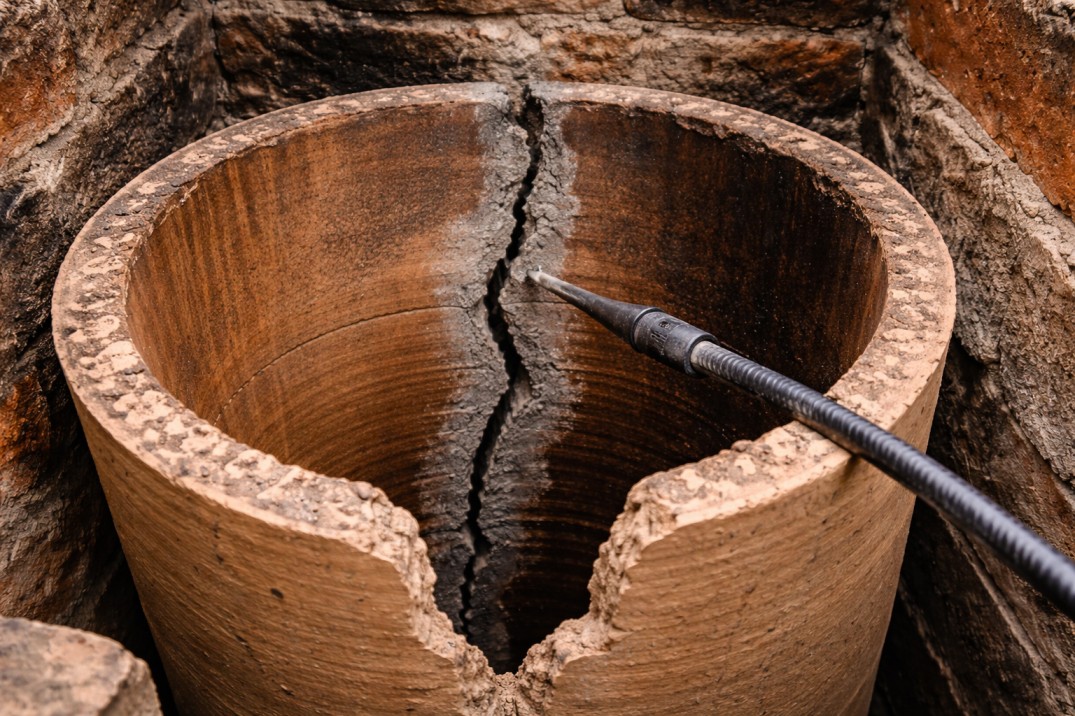
1. Cracked Chimney Flue
The flue liner is your chimney's most critical safety component. It contains combustion gases, directs heat safely out of the home, and prevents the 1,000°F+ exhaust from contacting the surrounding structure.
Cracked flue liners are extremely common in Boston, where clay tile liners the most widely used type in homes built before the 1990s are subjected to repeated freeze-thaw cycles every winter. A liner can fracture from thermal stress, water expansion inside existing micro-cracks, or the aftermath of a chimney fire.
The danger: Even a hairline crack allows carbon monoxide and heat to escape into wall cavities. This is a direct fire and poisoning risk.
Our solution: We use camera inspection to assess the full length of the liner before making any recommendation. Depending on severity, options range from HeatShield® resurfacing to full stainless steel liner replacement. We never recommend replacement without showing you the evidence first.
2. Water Damage and Chimney Leaks
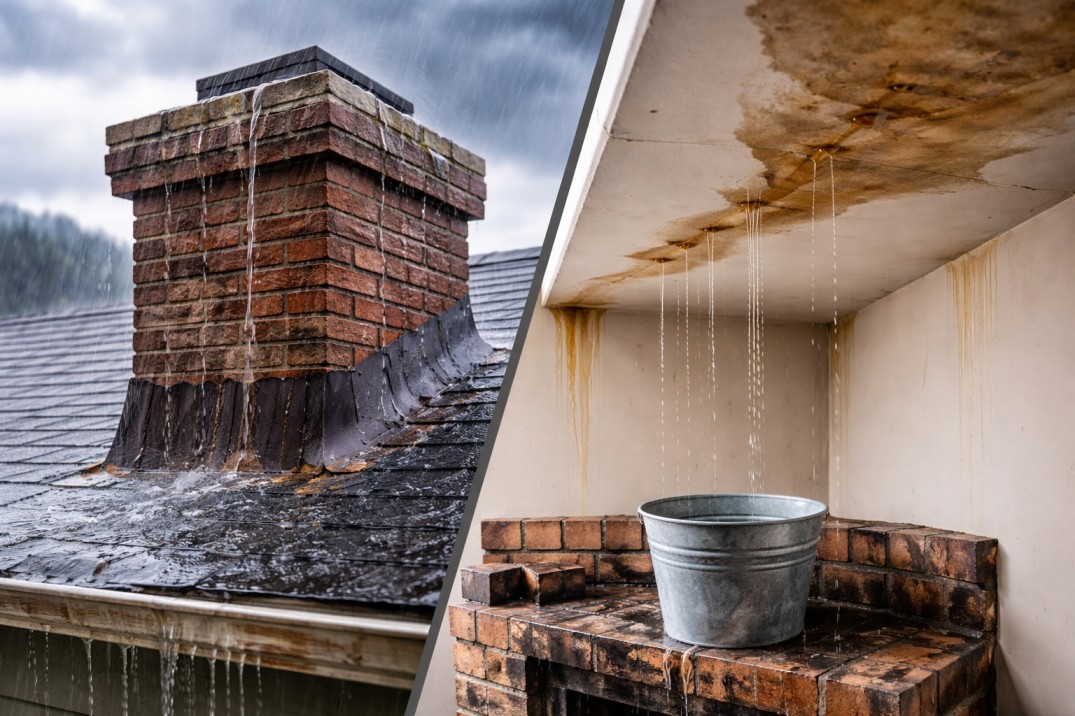
Water is the leading cause of chimney deterioration in Boston. Unlike many cities, Boston's climate delivers a punishing combination of heavy rainfall, snow accumulation, and repeated freeze-thaw cycles each one working to widen existing cracks and weaken masonry joints.
Water enters through multiple points: a cracked or missing chimney cap, deteriorated crown, failed flashing, or porous brick that has lost its water-repellent properties over time.
The danger: Unchecked water infiltration leads to spalling brick, rusted dampers, deteriorated flue liners, wood rot in adjacent framing, and mold growth inside wall cavities.
Our solution: We trace the exact entry point before recommending any repair cap replacement, crown resurfacing, flashing re-sealing, or waterproofing treatment so you're not paying for work that doesn't address the actual source.
3. Creosote Buildup
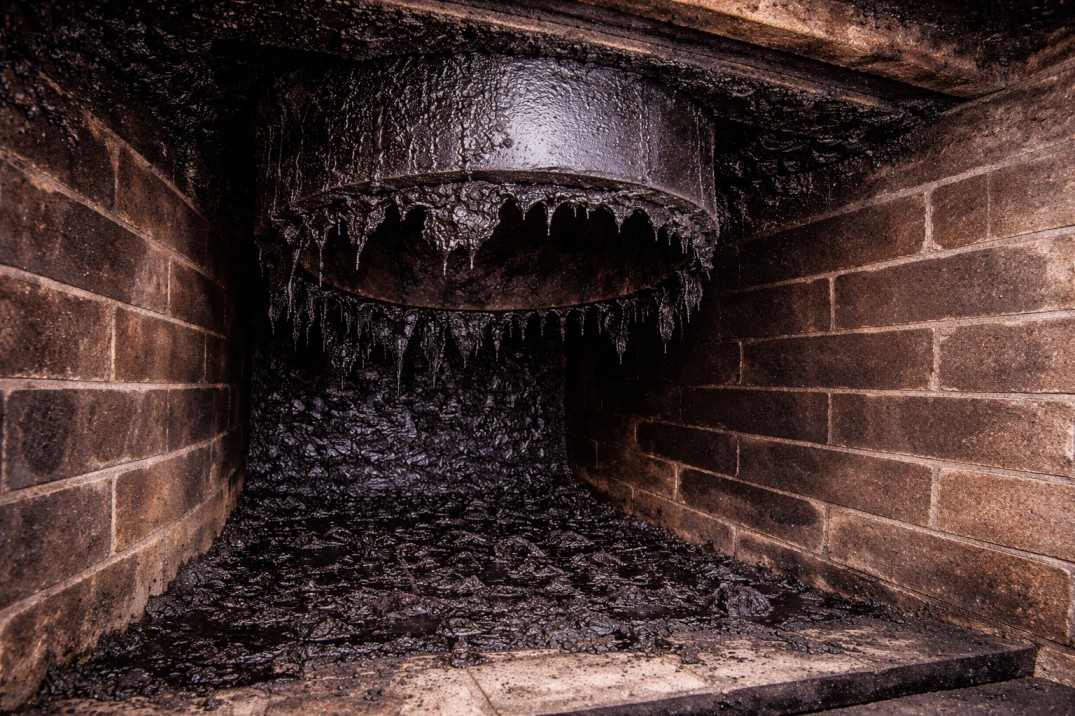
Every time you burn wood, incomplete combustion produces creosote a tar-like substance that coats the interior of your flue. At low levels, it's manageable with annual cleaning. Left unchecked, it builds into a thick, highly flammable layer that is the leading cause of chimney fires in the United States.
Creosote progresses through three stages: a light, dusty deposit (easily removed), a flaky or crunchy buildup (requires professional cleaning), and a hardened, glazed layer (extremely difficult to remove and a serious fire hazard).
The danger: Stage 3 creosote can ignite at temperatures your fireplace routinely reaches. A creosote fire burns at over 2,000°F -hot enough to crack your flue liner in a single event.
Our solution: We assess the creosote stage during inspection and use the appropriate removal method. For Stage 3 buildup, we use professional-grade chemical treatments before mechanical cleaning. We also advise on the firewood and burning habits that minimize future accumulation.
4. Damaged or Missing Chimney Cap
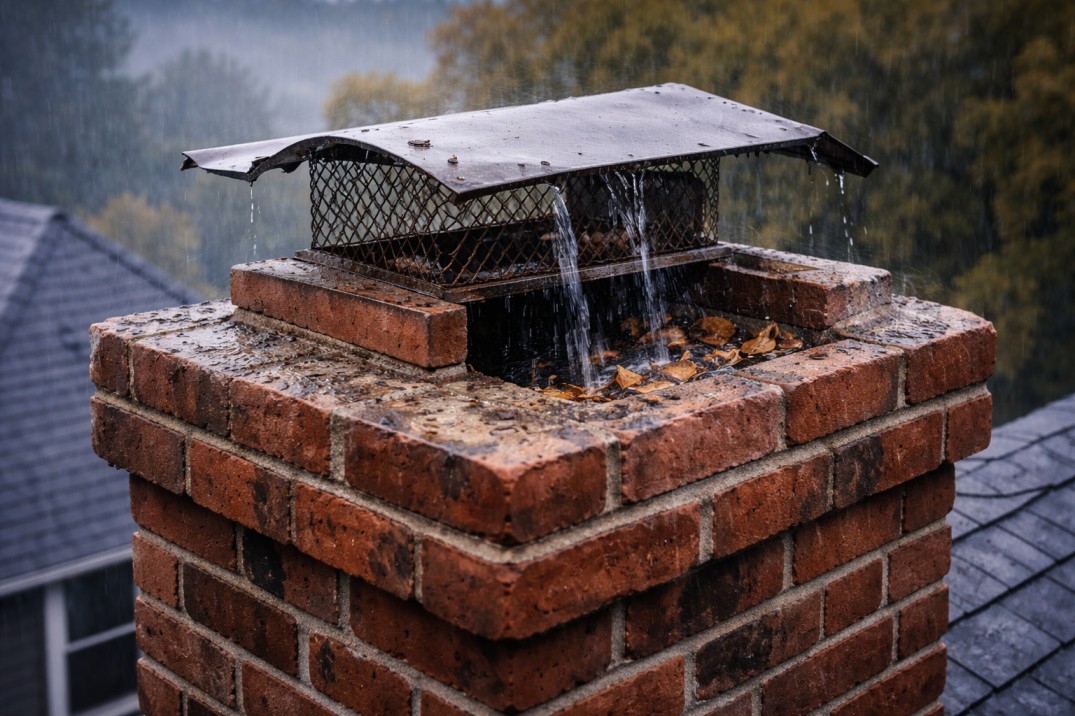
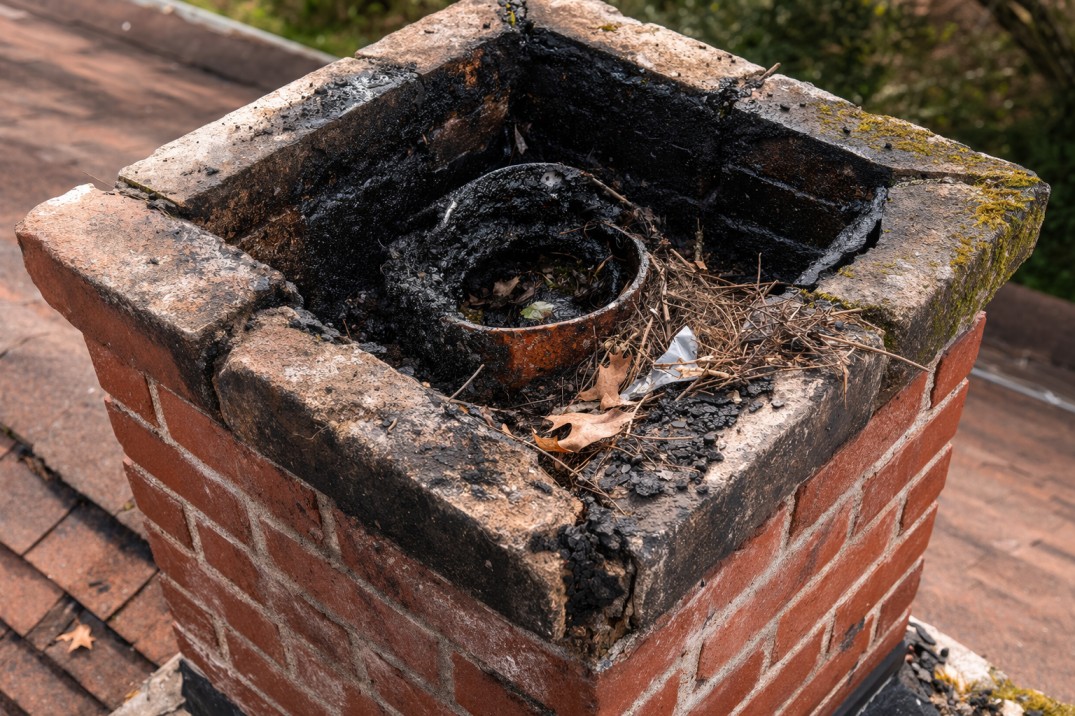
The chimney cap sits at the very top of your flue and serves as the first line of defense against water, debris, birds, and small animals. It's one of the least expensive components on a chimney and one of the most frequently neglected.
A missing or damaged cap allows rain to fall directly into the flue, accelerating liner deterioration and saturating the surrounding masonry. It also creates an open invitation for nesting animals, which can block the flue entirely.
Our solution: Cap installation or replacement is a straightforward, low-cost repair that prevents a disproportionate amount of damage. We recommend stainless steel or copper caps for Boston's climate galvanized steel caps corrode within a few years in wet conditions.
5. Cracked Chimney Crown
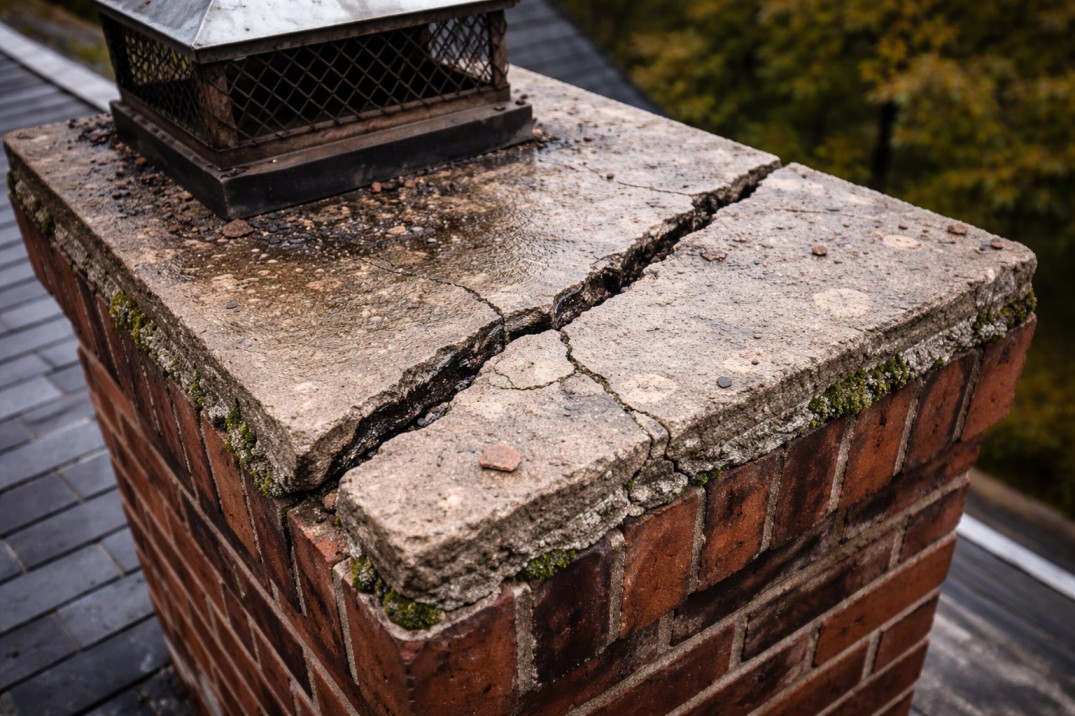
The chimney crown is the concrete slab that seals the top of the chimney structure around the flue opening. Its job is to divert water away from the flue and prevent it from saturating the brick below.
Crowns crack for the same reason everything else does in Boston thermal expansion, freeze-thaw stress, and age. A freshly installed crown made with standard mortar mix (a common contractor shortcut) will often crack within a few winters.
Our solution: Minor crown cracks can be sealed with elastomeric crown coat a flexible, waterproof compound that bonds to the existing surface and moves with thermal expansion. Severely deteriorated crowns require full replacement with a properly mixed, overhanging crown design.
6. Deteriorating Mortar Joints
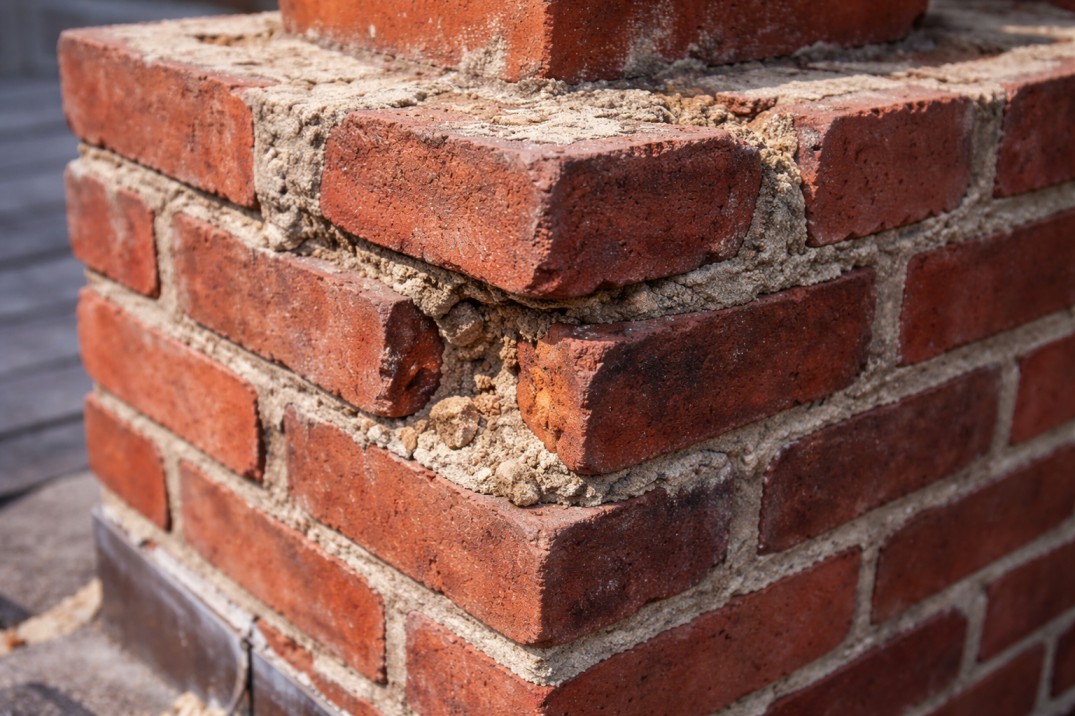
The mortar between your chimney's bricks is not permanent. It weathers faster than the brick itself, and in Boston's climate, most chimney mortar begins showing meaningful deterioration within 25 years.
When mortar joints recess more than ¼ inch, water penetrates the chimney core directly freezing, expanding, and dislodging bricks from the inside out. This is called spalling, and once it begins, it accelerates quickly.
Our solution: Tuckpointing the process of removing deteriorated mortar and replacing it with fresh material is one of the most effective and durable chimney repairs available. Addressed early, it prevents structural brick damage that costs significantly more to correct.
7. Chimney Smoke Backdraft Issues
Smoke filling your room instead of drafting up the chimney is one of the most frustrating chimney problems and one of the most misdiagnosed. The cause is not always what it appears to be.
Common causes include: a cold flue that hasn't been properly warmed before lighting, negative air pressure inside the home (common in tightly insulated modern homes), an undersized flue relative to the firebox opening, or a blocked or partially obstructed flue.
Our solution: We diagnose the specific cause before recommending any fix. In many cases, the solution is operational priming the flue with a warm-up flame before lighting. In others, it requires structural correction such as a top-mount damper, flue extension, or air pressure balancing.
8. Blocked or Obstructed Chimney
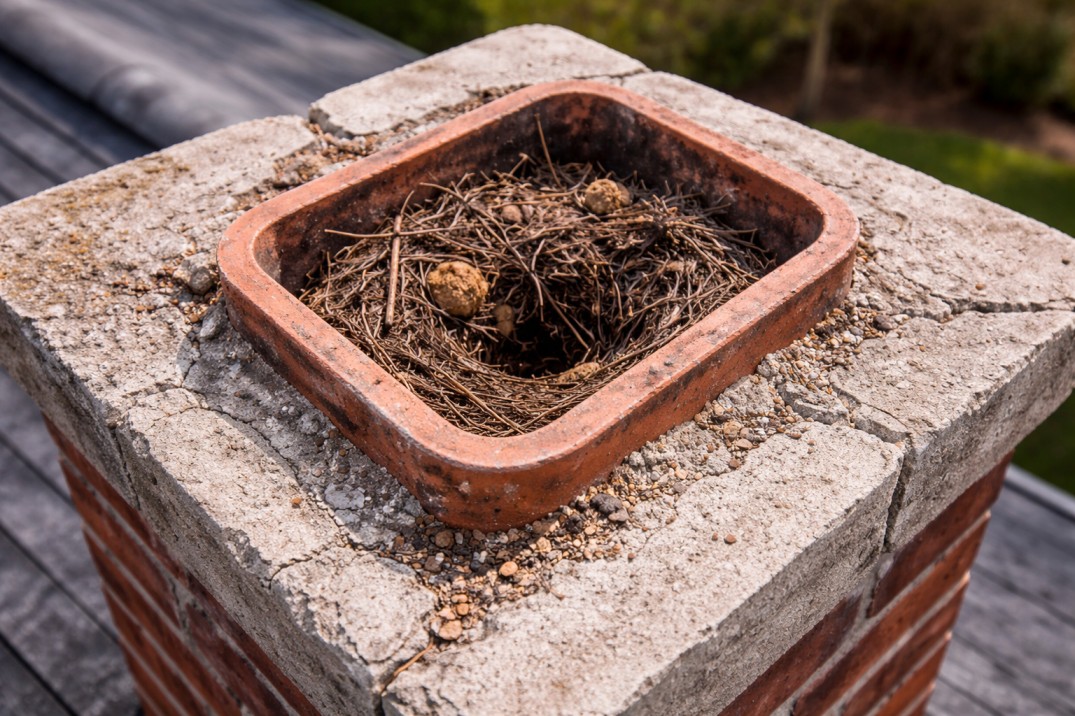
A blocked chimney is exactly what it sounds like something is preventing gas and smoke from escaping. The most common culprits are bird nests (particularly from chimney swifts), squirrel or raccoon nesting material, accumulated debris, and in older homes, collapsed flue tiles that have fallen and lodged inside the flue.
The danger: A blocked chimney forces carbon monoxide back into your living space. This is a life-safety issue, not a comfort issue.
Our solution: We remove the obstruction, inspect for damage caused by nesting animals or debris accumulation, and install a quality chimney cap to prevent recurrence.
9. Damaged Flashing
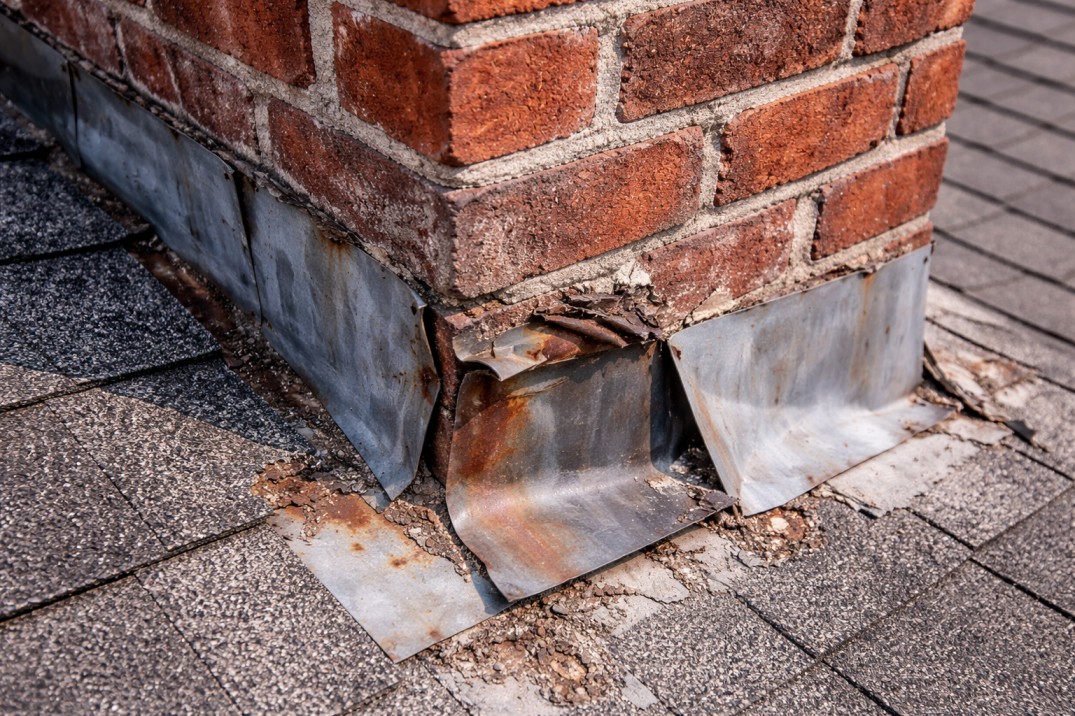
Flashing is the metal seal typically aluminum or lead that waterproofs the joint between your chimney and the roof. It's the most common entry point for water in Boston chimneys, and also one of the most commonly overlooked during routine maintenance.
Flashing fails when it pulls away from the chimney due to thermal movement, when the sealant used to bond it to the masonry cracks, or when the metal itself corrodes. Even a small gap at the flashing joint can allow significant water infiltration over a single Boston winter.
Our solution: Flashing repair or replacement is almost always a fraction of the cost of repairing the water damage it causes when left unaddressed. We re-seal, rebed, or fully replace flashing depending on its condition and we use high-temperature caulk rated for masonry applications.
10. Rust on Damper or Firebox
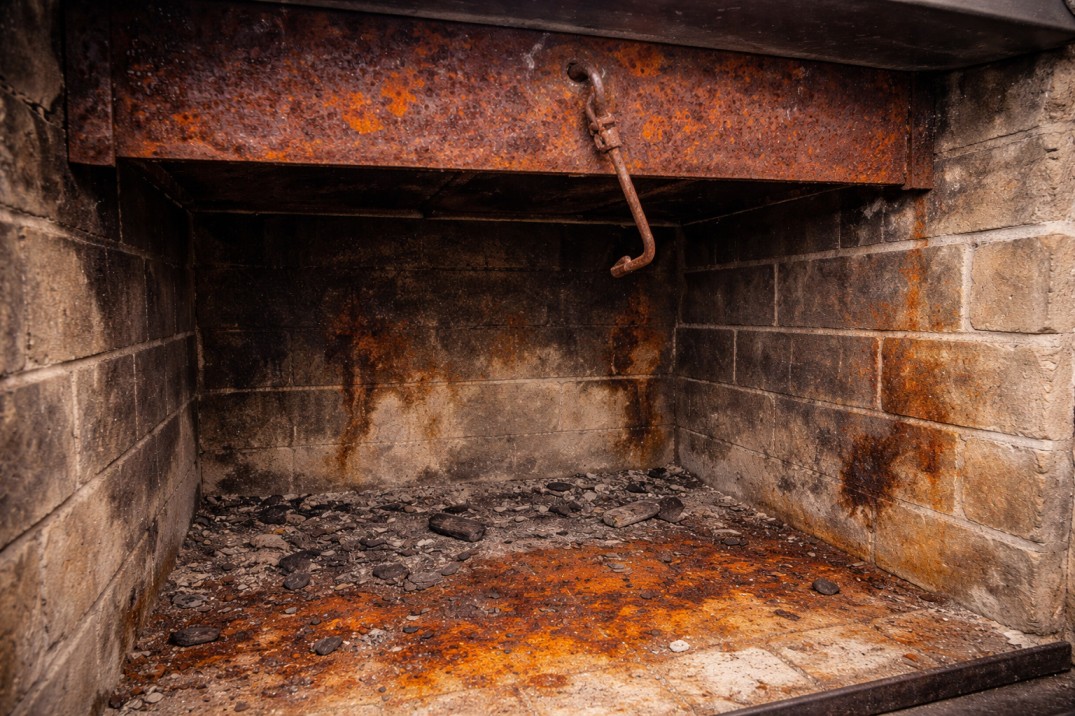
Rust inside the firebox is a symptom, not a cause. It means moisture has been getting into your chimney through the cap, crown, flashing, or flue long enough for metal components to begin corroding.
A rusted damper may not seal properly, allowing cold air to pour into your home when the fireplace isn't in use and contributing to drafting problems when it is.
Our solution: We address the moisture source first, then evaluate whether the damper requires cleaning, adjustment, or full replacement. A top-mount damper replacement often solves both the rust issue and drafting problems simultaneously.
11. Efflorescence (White Staining on Brick)
That white, chalky residue on your chimney's exterior brickwork is called efflorescence and while it's not structurally dangerous on its own, it's a reliable indicator that water is actively moving through your masonry.
As water travels through brick and mortar, it dissolves naturally occurring salts and carries them to the surface. When the water evaporates, the salts remain as a white deposit. Repeated efflorescence means repeated water infiltration.
Our solution: Surface efflorescence can be cleaned, but cleaning alone doesn't solve the problem. We identify the water entry point typically a failed crown, cap, or flashing and address it at the source. We then apply a penetrating masonry waterproofer to reduce future water absorption.
12. Two-Fireplace Smoke Issues
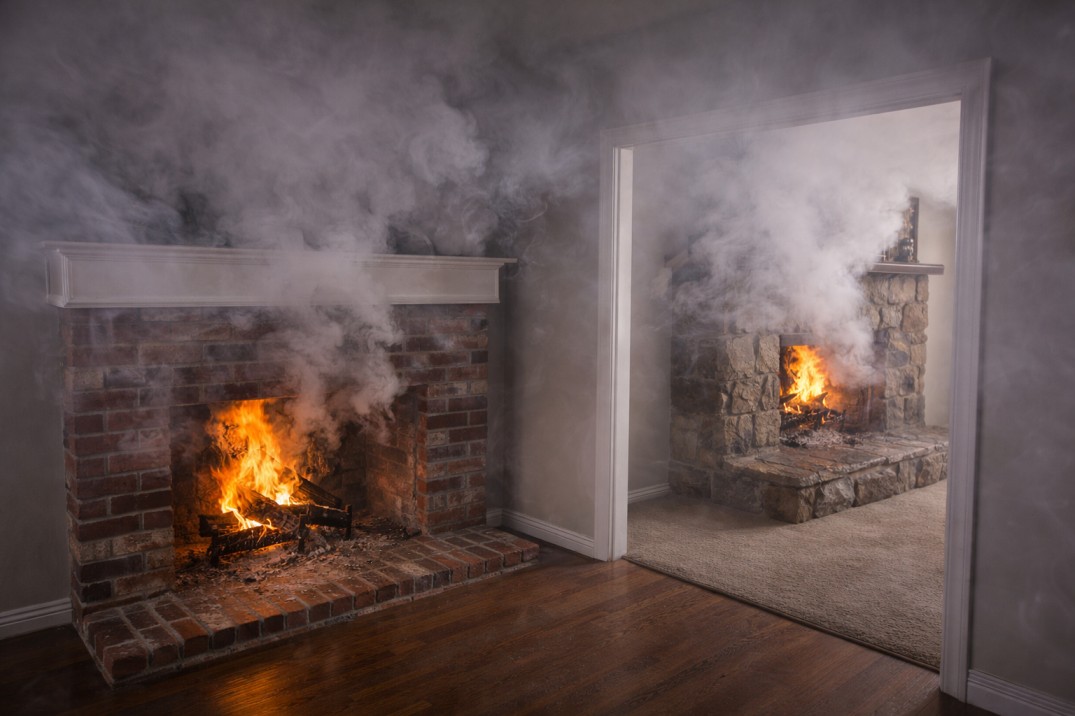
This is a problem we encounter regularly in Boston's older split-level and multi-story homes two fireplaces sharing a single chimney, where using one causes smoke to back-draft into the other.
Here's a real scenario we've resolved multiple times: a homeowner uses their upstairs fireplace, and within minutes, the downstairs living area begins filling with smoke. A chimney sweep cleaned the flue but the problem persisted.
Why this happens: When two fireplaces share one chimney, they compete for the same air column. The fireplace in use draws air up the flue and if the other fireplace's damper isn't fully sealed, it pulls room air (and smoke) back through the lower opening. In some configurations, the flue design itself creates a pressure imbalance that makes the problem structural rather than operational.
Our solution: We start with a full diagnostic checking both dampers for seal integrity, evaluating the flue configuration, and assessing whether the shared flue was correctly sized for two firebox openings. Solutions range from damper replacement and sealing to installing a dedicated liner for one of the fireplaces. We don't guess we diagnose.
Why Is My Chimney Leaking Water?
Chimney leaks rarely have a single cause. In most cases, water is entering through multiple points simultaneously a cracked crown allowing water in from above, failed flashing letting it in at the roofline, and porous masonry absorbing it from the sides. Each one compounds the others.
The most common entry points we find in Boston chimneys:
Cracked or missing chimney cap direct water entry into the flue
Deteriorated chimney crown allows water to saturate the brick structure below
Failed flashing the #1 source of water stains on ceilings near fireplaces
Porous or unsealed masonry brick absorbs water like a sponge when its protective surface weathers away
Cracked flue liner allows water to migrate into wall cavities from inside the chimney
Is It Normal for Chimneys to Leak During Heavy Rain?
No. A properly maintained chimney should not leak under any weather conditions. If your chimney leaks during heavy rain, it means at least one of the above failure points exists and likely more than one.
The fact that a chimney only leaks in heavy rain is often used to delay repairs. This is a mistake. Every rain event that penetrates your chimney causes incremental damage to the masonry, liner, and surrounding structure.
How Boston's Climate Accelerates Chimney Damage
Boston averages over 43 inches of rainfall per year plus significant snow accumulation and some of the most frequent freeze-thaw cycles on the East Coast. For chimneys, this means:
Water that enters in fall freezes in winter, expanding inside cracks and widening them
Spring thaw releases that water deeper into the masonry
Summer heat dries and contracts the structure, opening new micro-cracks
The cycle repeats each year more damaging than the last
This is why Boston chimneys age faster than those in drier climates and why annual inspection is particularly important here.
Creosote Buildup Boston's Most Overlooked Chimney Problem
What Dissolves Creosote in a Chimney?
No consumer product fully dissolves creosote and claims to the contrary should be treated with skepticism. What chemical treatments actually do is alter the composition of Stage 2 and Stage 3 creosote, making it more brittle and easier to remove mechanically during a professional cleaning.
Professional-grade products containing trisodium phosphate (TSP) or proprietary catalytic agents are the most effective at breaking down hardened deposits before mechanical removal. These are not available in hardware stores and require proper application by a trained technician.
Will a Hot Fire Remove Creosote?
Partially and with significant risk. A very hot fire (above 1,100°F) can burn off light Stage 1 creosote deposits. However, it cannot reliably remove Stage 2 or Stage 3 buildup, and deliberately burning at extreme temperatures to remove creosote risks igniting those deposits and starting a chimney fire.
The safest and most effective approach is professional mechanical cleaning rotary brushes combined with chemical pre-treatment for heavy buildup.
Which Firewood Creates the Most Creosote?
Softwoods pine, spruce, and fir produce significantly more creosote than hardwoods because they burn at lower temperatures and contain more resins. Wet or unseasoned wood of any species is the single biggest contributor to creosote accumulation, regardless of wood type.
How Often Should You Clean Your Chimney?
The NFPA recommends annual cleaning for any chimney in regular use. For Boston homeowners who burn wood frequently through a long heating season, cleaning every season is the appropriate standard.
A good rule of thumb: if creosote buildup exceeds ⅛ inch anywhere in the flue, cleaning is needed regardless of when the last service was performed.
Chimney Smoke Backdraft Issues Why Smoke Fills Your Room
Solutions for Smoke Not Going Up the Chimney
Smoke that won't draft properly is almost always a pressure problem. The flue needs to maintain negative pressure relative to the room drawing air upward and several factors can disrupt this:
Cold flue: A flue that hasn't been used in months is filled with cold, dense air that resists upward airflow. Warm it up by holding a lit piece of newspaper near the open damper for 60 seconds before lighting your fire.
Negative house pressure: Tightly sealed modern homes, kitchen exhaust fans, and HVAC systems can create negative pressure that reverses the draft. Opening a window slightly near the fireplace often resolves this immediately.
Oversized firebox: If the firebox opening is too large relative to the flue diameter, the flue cannot develop sufficient draft. This is a structural issue requiring either a smoke guard installation or flue modification.
Obstruction: Debris, nesting material, or a stuck damper can partially block the flue, reducing draft significantly.
The Two-Fireplace Smoke Problem Our Solution
As described above, two fireplaces on a single flue create competing pressure zones. Our diagnostic process:
Damper integrity check both dampers must seal completely when not in use
Flue sizing assessment was the flue designed for one or two firebox openings?
Pressure testing we simulate use conditions to identify exactly where the pressure imbalance occurs
Solution implementation this ranges from damper replacement to installing a dedicated stainless steel liner for one of the fireplaces, effectively giving each fireplace its own independent flue within the shared chimney structure
The 3-2-10 Rule for Chimneys Explained
The 3-2-10 rule is a building code standard for chimney height that directly affects draft performance:
The chimney must extend at least 3 feet above the roof penetration point
It must be at least 2 feet higher than any part of the roof or obstruction within 10 feet
A chimney that doesn't meet this standard will struggle with draft particularly in windy conditions because the flue opening sits in a turbulent airflow zone rather than above it. If your chimney predates modern building codes (common in Boston's older housing stock), this may be contributing to chronic smoke backdraft.
Chimney Repair vs. Removal What Makes More Sense?
These are ranges the actual cost depends on chimney height, accessibility, extent of damage, and materials used. We provide itemized quotes after inspection so you know exactly what you're paying for and why.
Is It Cheaper to Remove or Repair a Chimney?
In most cases, repair is the more cost-effective option particularly when the chimney is structurally sound and the damage is limited to the liner, cap, crown, or flashing.
Removal makes sense when the chimney is structurally compromised beyond economical repair, when it's no longer connected to a working fireplace, or when it's causing ongoing roof or structural issues with no cost-effective fix.
Will Homeowners Insurance Pay for Chimney Repair?
Homeowners insurance generally covers chimney damage caused by a sudden, accidental event a chimney fire, lightning strike, or severe storm. In these cases, liner damage, structural damage, and related repairs may be fully or partially covered under your dwelling coverage.
What insurance does not cover: gradual deterioration, age-related wear, lack of maintenance, or pre-existing conditions. This distinction matters because insurers frequently attempt to classify chimney damage as maintenance-related even when it stems from a covered event. A professional inspection report with camera documentation gives you the documentation needed to support your claim.
Common Chimney Repair Mistakes to Avoid
These are the errors we see most often frequently the result of DIY attempts or hiring non-specialist contractors:
Using standard mortar for crown repairs standard mortar cracks within one or two freeze-thaw cycles; crown repair requires elastomeric or specifically formulated crown coat
Applying Flex Seal or consumer waterproofing products to the flue these are not heat-rated and create dangerous false security
Skipping the inspection and going straight to repair without knowing the full extent of damage, targeted repairs often miss the root cause
Repointing with the wrong mortar hardness mortar that is harder than the brick causes the brick faces to spall; mortar must be matched to the existing masonry
Ignoring small leaks in Boston's climate, a small leak becomes a large structural problem faster than in most other cities
Chimney Maintenance and Prevention Tips from Our Boston Experts
Annual Inspections Why Once a Year Is Non-Negotiable
An annual chimney inspection is not optional maintenance it's the standard recommended by the NFPA, required by most homeowners insurance policies for coverage validity, and the only reliable way to detect the problems listed above before they become emergencies.
In Boston, we recommend scheduling your inspection in late summer or early fall before heating season begins. This gives time to complete any necessary repairs before the first fire of the season.
Regular Cleaning and Creosote Removal
Annual cleaning should accompany your annual inspection. For homeowners who burn wood regularly through Boston's long heating season, more frequent cleaning may be warranted. The standard: if buildup exceeds ⅛ inch, clean regardless of schedule.
Installing a Chimney Cap
A quality stainless steel or copper chimney cap is the single most cost-effective preventive investment you can make. It blocks water, debris, and animals from entering the flue eliminating several of the most common problems on this list entirely. If your chimney doesn't have a cap, this should be your first call.
Repairing Flashing and Crowns Before Winter
Both the crown and flashing are your chimney's primary water defenses. Entering a Boston winter with compromised flashing or a cracked crown is the fastest way to turn a $300 repair into a $3,000 problem by spring. We recommend adding a visual crown and flashing check to your fall home maintenance routine and calling us if anything looks off.
Professional Chimney Repair Services in Boston, MA
Boston's housing stock is older than almost anywhere else in the country and older homes mean older chimneys. The problems described in this guide are not hypothetical. They're what we find, week after week, in chimneys across Greater Boston, from triple-deckers in Dorchester to colonial homes on the North Shore.
Signs Your Chimney Needs Immediate Professional Attention
Don't wait for your annual inspection if you notice any of the following:
Smoke entering your living space during fireplace use
A strong odor from the fireplace when it's not in use
Visible tile or brick debris in the firebox
Water stains appearing on ceilings or walls near the chimney
Any sound resembling roaring or rumbling during a fire
These are not "monitor and see" situations. Each one warrants a same-week inspection.
Why Boston Homeowners Trust Us
We've built our reputation on one principle: inspect first, recommend second. We won't tell you that you need a full liner replacement without showing you exactly why on camera, in plain language, before you make any decision.
If a repair will solve the problem, we'll tell you. If replacement is the safer long-term choice, we'll explain why. Either way, you'll have the information you need to make a confident decision.
Schedule your chimney inspection in Boston today and go into this heating season knowing exactly where you stand.
Frequently Asked Questions
What is the 3-2-10 rule for chimneys?
The 3-2-10 rule states that a chimney must extend at least 3 feet above the roof penetration point and be at least 2 feet higher than any part of the roof or obstruction within 10 feet. This ensures proper draft and prevents downdraft issues.
What is the lifespan of a chimney?
The masonry structure of a well-maintained chimney can last 50–100 years or more. Individual components have shorter lifespans: clay flue liners average 50 years, stainless steel liners 15–25 years, and mortar joints 25–30 years before repointing is needed.
How often should chimneys be serviced?
Annually both inspection and cleaning for any chimney in active use. Boston homeowners should schedule in late summer before heating season begins.
What is the most expensive chimney repair?
Full flue liner replacement is typically the most costly single repair, depending on liner type, chimney height, and accessibility. Partial chimney rebuilds can exceed this in cases of significant structural damage.
Can a handyman repair a chimney?
For cosmetic work, possibly but for anything involving the flue liner, flashing, crown, or structural masonry, a certified chimney sweep (CSIA-certified) or licensed masonry contractor is strongly recommended. Improper chimney repairs are a leading cause of chimney fires and carbon monoxide incidents.
What is the 7x rule for chimneys?
The 7x rule refers to flue sizing: the flue cross-sectional area should be approximately 1/7th (about 15%) of the firebox opening area for a round flue, or 1/10th for a square flue. A flue that is too small relative to the firebox is a primary cause of smoke backdraft.
How many fires between chimney sweeps?
Rather than counting fires, go by buildup: if creosote exceeds ⅛ inch at any point in the flue, cleaning is needed. For typical Boston homeowners burning 2–4 fires per week through the heating season, this usually means annual cleaning at minimum.