Brick, Stone & Structural Repair | Masonry Services Boston MA
When homeowners and property managers need masonry work done in Boston, they're looking for practical information and reliable service. What does a masonry project actually involve? How does the process unfold? What should you expect before you start? This guide covers those essentials clearly.
Masonry work isn't decorative. Brick, stone, and structural components are fundamental to how buildings stay strong, functional, and safe over decades. Understanding what's involved in masonry projects helps property owners make confident decisions from the beginning.
What Masonry Work Includes
Masonry generally breaks down into three distinct types, though many projects involve a combination:
Brick Masonry Services
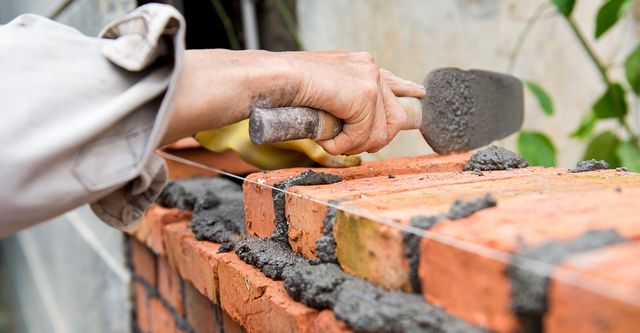
Brick is extremely common in Boston due to the city's historic architecture and demanding climate. Typical brick work includes exterior facades, chimneys and chimney repairs, brick steps and entryways, and repointing (mortar joint repair).
The reality: mortar joints fail first. Boston's freeze-thaw cycles are brutal on older mortar. When joints wear, water gets inside, causing serious long-term damage if left unaddressed.
Stone Masonry
Stone masonry is chosen when durability and longevity matter most. You'll see it in retaining walls, foundation repairs, exterior stone surfaces, and load-bearing features like stairs and walkways.
Stone handles harsh weather well, but installation quality matters enormously. Poor placement or inadequate drainage leads to shifting and cracking years later.

Structural Masonry
This is the critical category. Structural masonry supports the building itself—not just the surface. It carries loads and keeps the entire structure sound.
Residential vs. Commercial Projects
The materials are similar, but the approach differs significantly.
Residential masonry typically focuses on home foundations, chimneys, exterior walls, and smaller-scale repairs. The scope is usually defined, and work can often be scheduled flexibly.
Commercial masonry involves larger structural components, strict code compliance, detailed inspections, long-term durability planning, and carefully coordinated project phases. Timelines are tighter, and standards are more exacting.
Both must account for Boston's weather patterns and local building codes.
How Masonry Projects Typically Start
Most projects follow a structured process. Skipping steps is a common reason masonry work fails prematurely.

A standard approach includes on-site inspection and assessment of existing conditions, identification of specific damage or construction needs, selection of appropriate materials (brick, stone, mortar), thorough surface preparation, the actual installation or repair work, and final inspection with cleanup.
Clear planning at the start prevents delays and surprises later.
Common Masonry Issues in Boston
Boston's climate creates predictable problems over time:
Deteriorating mortar joints are the most frequent issue. Cracking, spalling, and loose bricks follow. Stone movement from settling, and water infiltration through walls are also common.
The good news: catching these early prevents them from becoming structural concerns.
Maintenance and Longevity
Masonry lasts an impressively long time, but it's not maintenance-free. Regular inspections significantly extend the life of brick and stone structures.
Basic maintenance means checking mortar joints for wear, addressing small cracks before they grow, and ensuring proper drainage around masonry surfaces.
Done right, masonry structures last for decades with minimal intervention.
Conclusion
Searching for masonry work in Boston usually comes down to one thing: reliability. Brick, stone, and structural components form the foundation of countless Boston buildings both historic and modern.
Understanding how masonry is planned, executed, and maintained gives property owners the confidence to approach projects thoughtfully. Whether you need a small repair or a major structural project, informed decisions at the start lead to stronger, longer-lasting results.
Masonry done well is quiet, solid, and dependable. That's what Boston properties need.